Start by creating a clear emergency plan with escape routes and a designated meeting spot outside. Secure your doors and windows with sturdy locks and install security cameras or peepholes at entry points. Keep emergency supplies like water, non-perishable food, and a flashlight accessible. Make sure your security system is easy to use and regularly checked, and build connections with trusted neighbors for support. If you want to discover more essential safety tips, keep exploring these options.
Open a free Amazon Business account
Business pricing, bulk buying and tax-exempt orders.
As an affiliate, we earn on qualifying purchases.
Key Takeaways
- Install a comprehensive security system with cameras, motion sensors, and remote monitoring for immediate alerts.
- Secure all entry points with sturdy locks, deadbolts, and security bars to prevent unauthorized access.
- Keep emergency supplies accessible, including water, non-perishable food, first aid kit, and medications.
- Establish a clear emergency plan with escape routes and a designated meeting spot outside the home.
- Build strong community connections with neighbors and emergency contacts for mutual support and quick assistance.
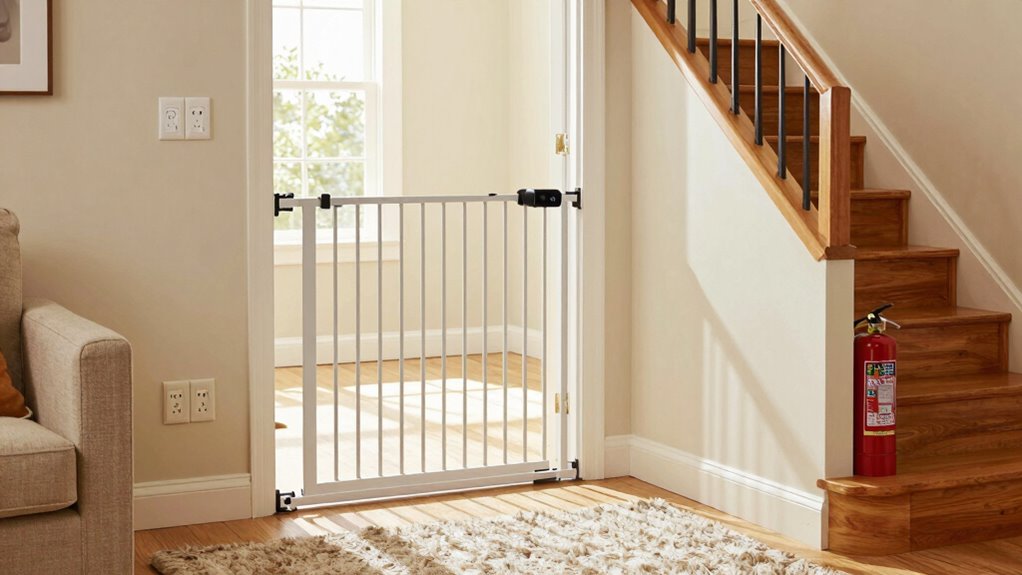
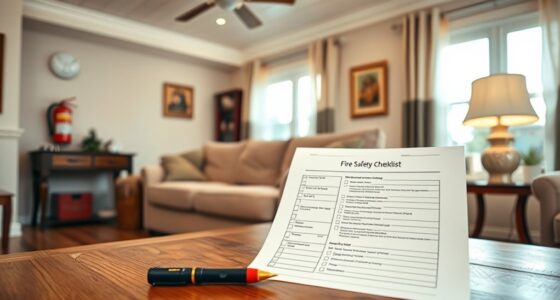
Are you a parent living alone and wondering how to make your home safer? It’s a common concern, especially when you’re juggling parenting responsibilities and managing your household on your own. The good news is that taking simple, practical steps can markedly improve your safety and peace of mind. One of the best first safety fixes is to focus on emergency preparedness. You want to be ready for anything, whether it’s a medical emergency, fire, or natural disaster. Start by creating a clear plan that includes escape routes and a designated meeting spot outside your home. Keep emergency supplies like water, non-perishable food, a flashlight, batteries, a first aid kit, and essential medications in an easily accessible location. Regularly review and update your emergency plan and supplies, especially after any major life changes or seasonal shifts. Implementing a security scanning process can also help identify vulnerabilities in your home safety measures. Additionally, conducting a home safety assessment can reveal overlooked hazards, helping you address potential risks proactively.
Another vital step is to invest in a home security system. Modern systems are easy to install and can be customized to fit your needs. They not only deter intruders but also provide quick alerts if there’s any suspicious activity or if someone enters your home unexpectedly. Many home security systems come with cameras, motion sensors, and remote monitoring features, so you can keep an eye on your property from anywhere. When choosing a system, consider options that include professional monitoring, which can notify authorities if an alarm is triggered while you’re away or unable to respond. This gives you an extra layer of protection, especially as a single parent. Additionally, home security measures can be enhanced by understanding how various technologies, like surveillance cameras and alarm systems, work together to provide comprehensive safety coverage.
Beyond technology, simple physical safety measures matter too. Secure all doors and windows with sturdy locks, and consider adding deadbolts or security bars for extra security. Keep your home well-lit, especially around entry points, to discourage intruders. Installing peepholes or security cameras at your door allows you to verify visitors before opening it. It’s also wise to keep a list of emergency contacts, including local police, fire department, healthcare providers, and trusted neighbors, in an accessible place. Building a trusted community can further enhance your safety, as neighbors can support and look out for each other. Establishing good relationships with neighbors can be invaluable; they can keep an eye out for you and alert authorities if needed.
home security system with cameras and motion sensors
As an affiliate, we earn on qualifying purchases.
As an affiliate, we earn on qualifying purchases.
Frequently Asked Questions
How Can I Make My Home More Childproof Quickly?
To childproof your home quickly, start by installing childproofing gadgets like outlet covers, cabinet locks, and corner protectors. Make sure dangerous items like medicines and sharp objects are out of reach, and consider using safety latches on doors and windows. Also, do safety training with your child to teach them about boundaries and hazards. These steps create a safer environment and give you peace of mind as a parent living alone.
What Are Affordable Safety Devices for Solo Parents?
Imagine a secure fortress where your child’s safety is guaranteed. Affordable safety devices like childproof locks on cabinets and drawers are your first line of defense. Keep a well-stocked emergency kit nearby, ready to handle minor injuries or unexpected situations. These simple, cost-effective measures create peace of mind, allowing you to focus on your child’s growth and happiness, knowing you’ve taken essential steps to safeguard your home.
How Do I Ensure Emergency Contacts Are Accessible?
To guarantee emergency contacts are accessible, create a clear emergency plan and keep a contact organization list in multiple places. Store hard copies in visible spots like your fridge and bedside table. Save contacts on your phone with clear labels, and consider sharing your emergency plan with trusted neighbors or friends. Regularly update your contact list to make sure it includes current numbers and important information.
What’s the Best Way to Teach My Child Safety at Home?
To teach your child safety at home, use simple, clear teaching strategies like role-playing safety scenarios and setting consistent rules. Engage your child in discussions about potential hazards, emphasizing child safety. Reinforce lessons through regular reminders and positive feedback. Modeling safe behavior yourself also helps. Keep safety tips age-appropriate, and make certain your child understands the importance of following safety procedures, making sure they feel confident and responsible in their environment.
How Often Should Safety Checks Be Performed?
Did you know that household safety checks should be done monthly to prevent accidents? You should inspect for fire hazards, like faulty wiring or clutter near heat sources, and test security alarms regularly to guarantee they’re working. Performing these safety checks every month keeps your home secure, reduces risks, and gives you peace of mind, especially when living alone with your child. Consistent checks are key to maintaining a safe environment.
As an affiliate, we earn on qualifying purchases.
Conclusion
Taking these safety fixes seriously can make all the difference in your daily peace of mind. You might find that the simple addition of a smoke alarm or a sturdy grab bar unexpectedly becomes your best safeguard—almost like a guardian angel quietly watching over you. When life gets busy, it’s these small, thoughtful changes that often turn into your greatest allies, ensuring you stay safe and secure, even when you’re alone.
security peephole and door camera
As an affiliate, we earn on qualifying purchases.
As an affiliate, we earn on qualifying purchases.
emergency preparedness kit for parents living alone
As an affiliate, we earn on qualifying purchases.
As an affiliate, we earn on qualifying purchases.
Flea & tick season Picks
flea and tick prevention
As an affiliate, we earn on qualifying purchases.