To create clear walking paths in your home, focus on strategic furniture placement by keeping pathways at least 36 inches wide and avoiding crowding furniture in the center. Regularly declutter and organize items into baskets or shelves to prevent obstacles. Make small adjustments, like shifting furniture or improving lighting, to enhance safety and accessibility. Consistently reassess your layout to adapt as your needs change. If you want to learn more tips, keep exploring ways to make your home more functional and safe.
Open a free Amazon Business account
Business pricing, bulk buying and tax-exempt orders.
As an affiliate, we earn on qualifying purchases.
Key Takeaways
- Create natural pathways by arranging furniture to promote smooth, unobstructed movement between rooms.
- Maintain pathways at least 36 inches wide for comfortable foot traffic and accessibility.
- Regularly declutter and designate storage to keep walkways clear and organized.
- Ensure pathways are well-lit to improve visibility and safety.
- Reassess and adjust furniture placement periodically to maintain open, safe routes.

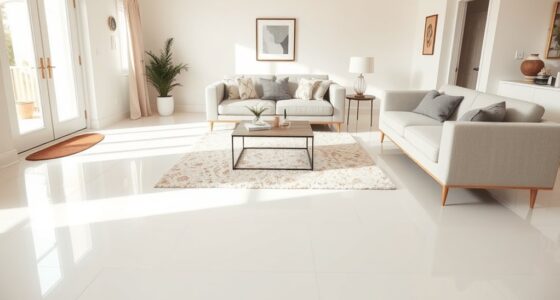
Walking through your home should feel effortless, but cluttered spaces can make steering difficult and unsafe. One of the most effective ways to improve this is by carefully considering your furniture arrangement. When you place furniture thoughtfully, you create natural pathways that guide your movement smoothly from room to room. Avoid pushing furniture against walls haphazardly or crowding pieces in the center of a room. Instead, leave enough space between items to form clear, unobstructed routes. For example, position sofas and chairs so they don’t block entryways or walkways, and keep coffee tables small or tucked away so they don’t serve as obstacles. By doing this, you enhance the flow and make your living space more welcoming and functional. Regularly assessing your layout can also help ensure your pathways stay clear as your needs evolve.
Create clear pathways by thoughtfully arranging furniture to enhance flow and safety in your home.
Clutter management plays an essential role in maintaining these clear walking paths. Regularly declutter and organize your belongings to prevent accumulation of unnecessary items that can obstruct movement. Designate specific storage spaces for everyday items like shoes, books, and remote controls, so they don’t end up scattered across the floor or furniture. Use baskets, bins, or shelves to keep clutter contained and out of sight, which instantly opens up more space. When you make clutter management a routine, it becomes easier to keep walkways free of obstacles, reducing tripping hazards and creating a sense of calm. Incorporating storage solutions can further optimize your organization and simplify clutter control. Additionally, considering home layout can help you better understand how to arrange your space for optimal flow. Paying attention to the design principles can also guide you in creating a more harmonious and accessible environment.
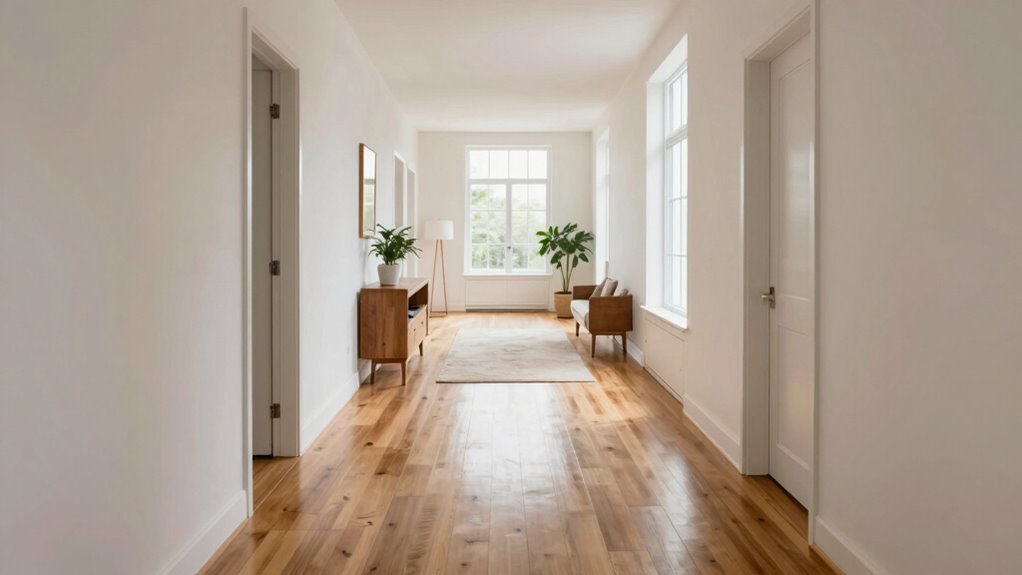
In addition to rearranging furniture and managing clutter, consider the overall layout of your home. Keep pathways wide enough—at least 36 inches—to comfortably accommodate foot traffic and even mobility aids if needed. Remove any low-hanging or sharp-edged furniture that could pose hazards, especially in high-traffic areas like hallways or around stairs. Lighting also matters; ensure pathways are well-lit so you can see clearly and avoid accidents. Small adjustments, such as shifting a chair slightly or removing a bulky piece, can make a big difference in how open and accessible your space feels. Implementing furniture placement best practices can further optimize flow and safety.
Finally, regularly reassess your home’s layout and organization. As your needs change, so should your furniture arrangement and clutter management strategies. By prioritizing unobstructed pathways, you create a safer, more inviting environment that encourages easy movement and reduces the risk of falls or injuries. With intentional placement and ongoing organization, your home becomes a place where steering from room to room feels natural and stress-free.
36 inch wide furniture layout guide
As an affiliate, we earn on qualifying purchases.
As an affiliate, we earn on qualifying purchases.
Frequently Asked Questions
How Often Should I Reassess My Walking Paths?
You should reassess your walking paths regularly, ideally every few months, to guarantee they remain clear and functional. Incorporate decorative pathway ideas seasonally, updating your pathways to match the changing decor or weather. Seasonal pathway updates help you spot obstructions or wear and tear, keeping your home safe and inviting. Keep an eye on high-traffic areas and make adjustments as needed to maintain a smooth, unobstructed flow throughout the year.
What Are the Best Materials for Non-Slip Pathways?
Your safety doesn’t have to be a gamble—choose the best materials for non-slip pathways. Rubber, textured concrete, and outdoor-rated pavers excel in outdoor safety, offering superb grip even in rain or snow. Material durability is key, so opt for options that withstand weather and foot traffic. These materials keep your walkways secure, ensuring you can move confidently without fear of slips or falls, no matter the conditions.
How Can I Make Narrow Spaces Feel More Open?
To make narrow spaces feel more open, you should optimize your color schemes by using light, neutral tones that reflect more light and create a sense of spaciousness. Incorporate decorative lighting, like wall sconces or ceiling fixtures, to brighten the area and add depth. Keep furniture minimal and streamlined, allowing the eye to move freely. These strategies together transform tight spaces into inviting, airy areas that feel less cramped.
Should I Use Rugs or Hard Flooring for Walking Areas?
You should opt for hard flooring in walking areas for durability and easy maintenance, especially in high-traffic zones. Rug placement works well to define spaces and add comfort, but consider durability when choosing rugs. Use rugs strategically to guide foot traffic without cluttering paths. Hard flooring offers a sleek look and longevity, while rugs provide warmth and style. Combining both thoughtfully helps create clear, inviting walking paths throughout your home.
How Do I Prevent Clutter From Accumulating in Pathways?
Think of your home as a well-choreographed dance. To prevent clutter from blocking pathways, you must guarantee your furniture placement guides the eye and foot smoothly. Use decorative lighting to highlight clear routes, making pathways inviting and visible. Regularly tidy up and designate specific spots for items. This way, you create an elegant flow that keeps clutter at bay, allowing your home to breathe and dance effortlessly.
home decluttering storage baskets
As an affiliate, we earn on qualifying purchases.
As an affiliate, we earn on qualifying purchases.
Conclusion
By keeping your walkways clear, you not only enhance your home’s safety but also create a more inviting space. Did you know that cluttered pathways are a leading cause of falls in the home, especially for seniors? Regularly decluttering and rearranging furniture can reduce this risk and make your home easier to navigate. So take a few minutes today—your safety and peace of mind are well worth it!
As an affiliate, we earn on qualifying purchases.
small coffee tables for living room
As an affiliate, we earn on qualifying purchases.
As an affiliate, we earn on qualifying purchases.
NFL season / tailgating Picks
team gear
As an affiliate, we earn on qualifying purchases.