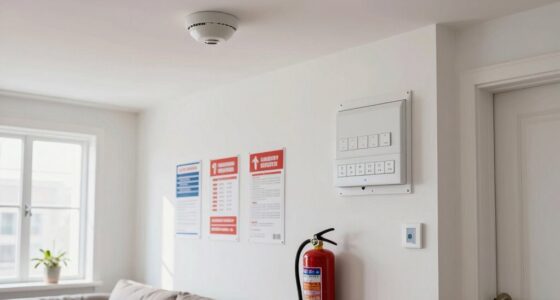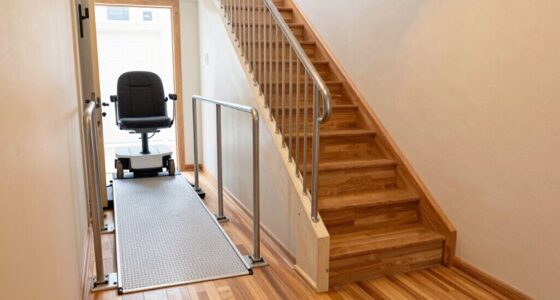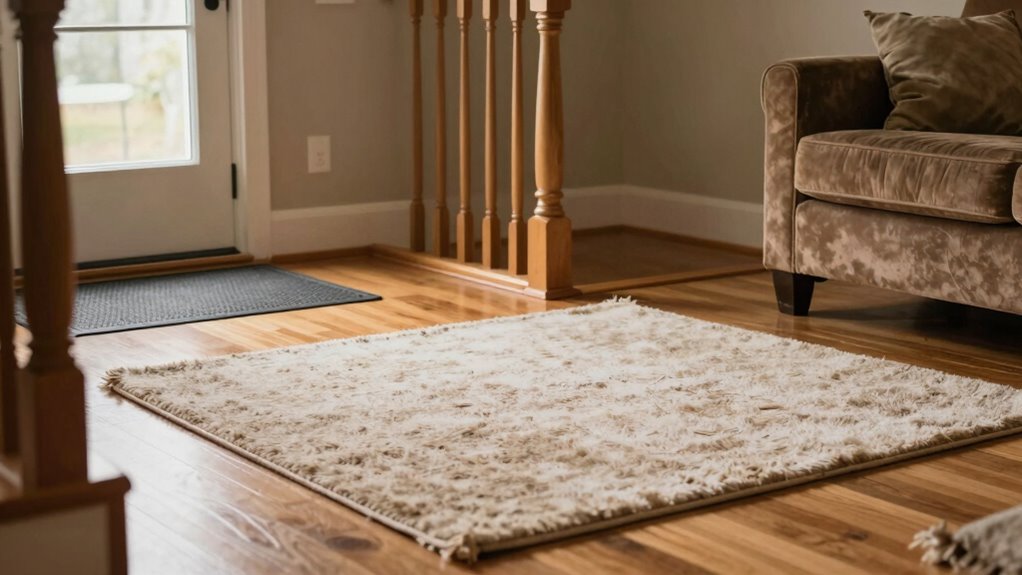

Start by upgrading your home lighting, especially in hallways, staircases, and entryways, with bright, energy-efficient fixtures and motion sensors to improve visibility. Make certain pathways are clear of clutter and add sturdy grab bars near bathrooms and stairs for extra support. Regularly check and maintain these safety features to prevent falls. Focusing on these key areas can make your home safer immediately—and if you continue, you’ll find even more helpful tips to boost safety at home.

Get health and wellness essentials delivered free with Prime
- Fast, free delivery on millions of items
- Prime Video, Amazon Music and more included
- Member-only deals all year
Key Takeaways
- Improve lighting in critical areas like hallways, staircases, and entryways for better visibility.
- Install grab bars near toilets, showers, and baths to provide stable support.
- Keep walkways clear of clutter, cords, and loose rugs to prevent tripping hazards.
- Upgrade to energy-efficient, bright LED bulbs and add motion-sensor lighting for automatic illumination.
- Ensure mobility aids are well-maintained and correctly positioned for safe use.
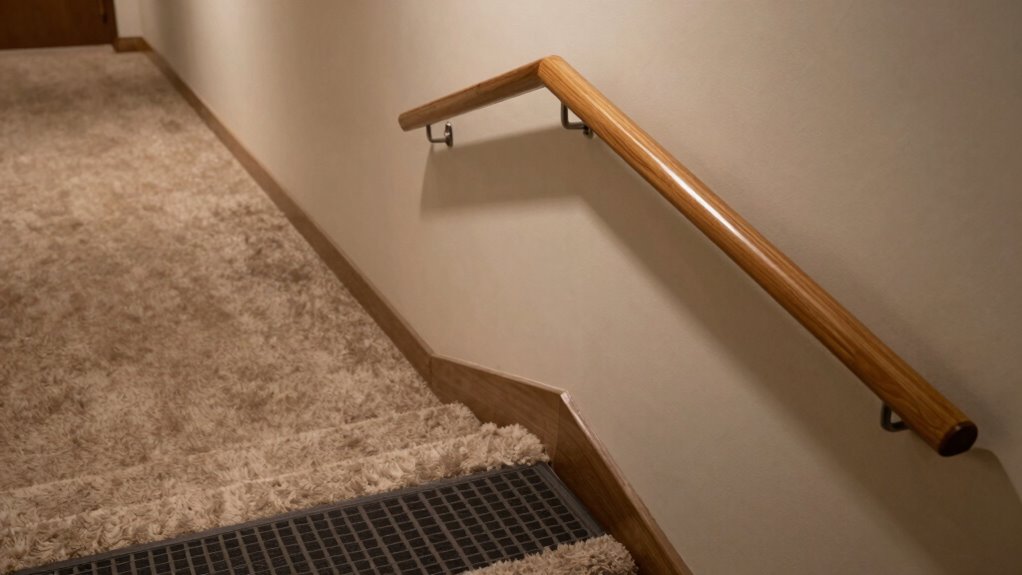
Falls are a leading cause of injury at home, especially for older adults, and addressing potential hazards can considerably reduce that risk. When it comes to fall prevention, upgrading your home environment should start with the basics—lighting and mobility safety. Good home lighting plays an essential role because many falls happen in poorly lit areas where hazards go unnoticed. You should prioritize installing bright, energy-efficient lighting in hallways, staircases, and entryways. Consider adding motion-sensor lights that turn on automatically when you enter a room or approach a stairwell. These lights eliminate the need to fumble for switches in the dark and guarantee every corner is well illuminated. Moreover, replacing dim bulbs with higher wattage or more effective LED fixtures can drastically improve visibility. Clear, well-lit pathways make it easier to see obstacles like loose rugs, clutter, or uneven flooring that could cause a fall. Understanding golf history can also inspire you to explore more about safety innovations and milestones that improve quality of life. Mobile safety is equally critical. If you use mobility aids such as walkers, canes, or grab bars, make sure they are in excellent condition and positioned correctly. Secure grab bars near toilets and in showers or baths to provide sturdy support. Check that your walking aids are the right height and in good shape—unstable or poorly fitted devices can lead to falls. Keep paths clear of clutter, cords, and loose rugs that can trip you up, especially when moving from one room to another. It’s equally important to assess your footwear—wear shoes with non-slip soles that fit well, and avoid slippers or loose-fitting shoes that can cause slips or trips. To enhance mobile safety further, consider installing handrails along staircases and hallways, providing extra support when you need it most. Regularly reviewing and maintaining these elements is essential—replace burnt-out bulbs promptly, check the stability of your grab bars, and keep walkways clutter-free. Additionally, indoor air quality can influence overall health and mobility, so maintaining good ventilation and humidity levels supports your ability to move safely. Incorporating home automation systems like smart lighting can also help you manage these safety features more effectively and conveniently. Staying informed about home safety standards can guide you in making the most effective upgrades. Research indicates that lighting quality plays a crucial role in preventing falls, especially in environments where older adults reside. By focusing on these key areas first, you establish a safer home environment that supports independence and reduces the likelihood of falls. Making these simple yet effective upgrades will give you peace of mind and help you stay safe in your home for years to come.
LED motion sensor hallway lights
As an affiliate, we earn on qualifying purchases.
As an affiliate, we earn on qualifying purchases.
Frequently Asked Questions
How Do I Assess My Home for Fall Hazards Effectively?
You can assess your home for fall hazards by inspecting areas with poor home lighting, which makes obstacles hard to see, and by reducing clutter that can cause trips. Walk through each room, noting uneven floors or loose rugs. Turn on all the lights to check visibility. Keep pathways clear, secure cords, and make sure surfaces are even. This simple assessment helps identify hazards that increase fall risk, so you can make necessary improvements.
Are There Specific Materials Best for Slip-Resistant Flooring?
You might worry about durability when choosing slip-resistant surfaces, but many materials strike a great balance. Look for rubber, textured vinyl, or engineered hardwood with a slip-resistant coating, as they offer excellent flooring durability and grip. These options help prevent falls while standing up to daily wear and tear. Prioritizing these materials guarantees safer, long-lasting floors, giving you peace of mind in your home.
What Budget-Friendly Upgrades Improve Fall Safety Quickly?
To quickly improve fall safety on a budget, start with lighting improvements and furniture rearrangement. Brighten dim areas with affordable LED bulbs or nightlights to reduce tripping hazards. Rearrange furniture to create clear pathways, removing clutter and securing loose rugs. These simple, cost-effective steps make your home safer by enhancing visibility and reducing obstacles, minimizing fall risks without a significant investment.
How Often Should Safety Features Like Handrails Be Inspected or Replaced?
You should inspect handrails at least once a year to guarantee safety feature lifespan. Don’t wait until they show visible damage—regular handrail maintenance prevents accidents. If you notice looseness, rust, or cracks, replace or repair immediately. Proper upkeep keeps handrails sturdy, reducing fall risks. Remember, proactive inspections are key to maintaining a safe home environment, especially for seniors or those with mobility issues.
Can Smart Home Technology Help Prevent Falls?
Yes, smart home technology can help prevent falls. You can use wearable sensors to monitor balance and alert you to risks, while emergency alerts provide quick access to help if you do fall. These features work together to increase safety, giving you peace of mind. Integrating wearable sensors and emergency alert systems makes your home smarter, reducing fall risks and ensuring prompt assistance when needed.
grab bars for bathroom and stairs
As an affiliate, we earn on qualifying purchases.
As an affiliate, we earn on qualifying purchases.
Conclusion
Prioritize your path to safety by tackling tricky tiles, slippery surfaces, and cluttered corridors first. By upgrading these areas, you’ll create a safer, slip-free sanctuary for yourself or loved ones. Remember, small steps make a significant difference—so start securing stairs, stabilizing surfaces, and smoothing out surfaces today. With these simple switches, you’ll strengthen your space and stand stronger against falls, transforming your home into a fortress of fall prevention and peace of mind.
As an affiliate, we earn on qualifying purchases.
As an affiliate, we earn on qualifying purchases.
Halloween Picks
halloween
As an affiliate, we earn on qualifying purchases.