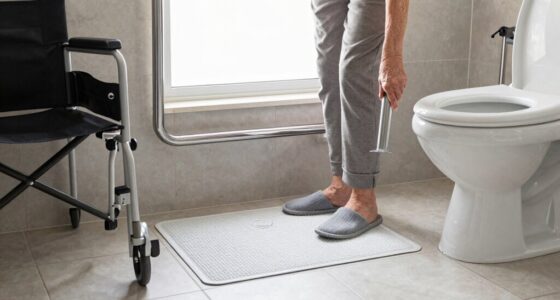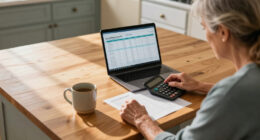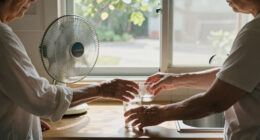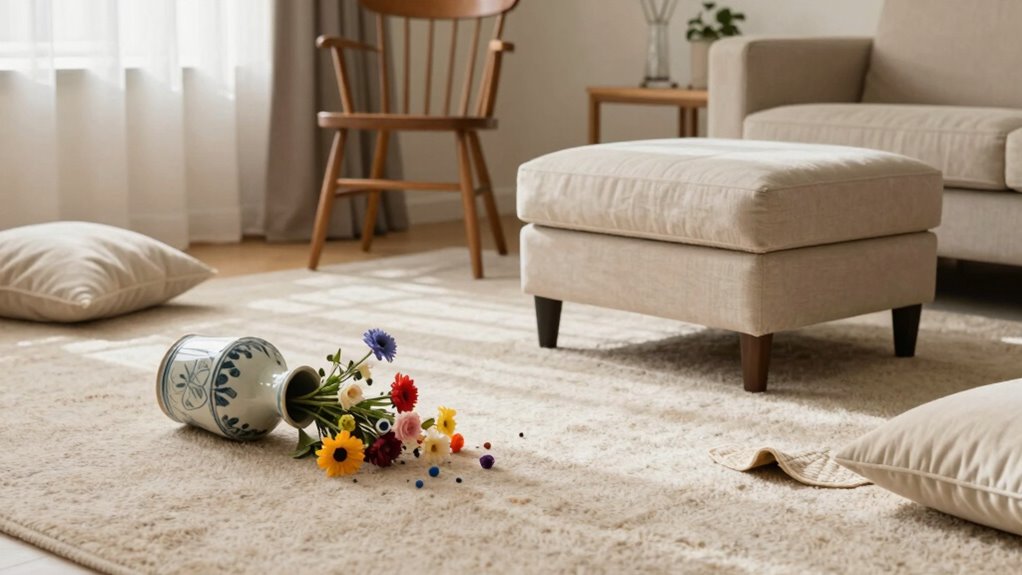

After a near fall at home, you should first check yourself for injuries, pain, dizziness, or weakness, and sit down if needed. Look around for hazards like loose rugs, clutter, or poor lighting that could have caused the fall. Evaluate your balance and mobility, and consider using assistive devices if necessary. Make safety improvements like adding handrails or securing hazards. Still curious about more tips? Keep exploring to learn how to stay safer at home.

Get health and wellness essentials delivered free — and shop member deals
- Fast, free delivery on millions of items
- Access to Prime Big Deal Days deals on October 6–7
- Prime Video, Amazon Music and more included
Key Takeaways
- Assess for any injuries, pain, dizziness, or weakness before moving or standing.
- Identify and remove environmental hazards like loose rugs, clutter, or cords.
- Check your balance and mobility, noting any unsteadiness or weakness.
- Ensure safety features such as grab bars, night lights, and non-slip mats are in place.
- Reflect on routines and surroundings to prevent future near falls and improve safety.

A near fall at home can be alarming, but it’s essential to stay calm and assess the situation carefully. Your first step should be to check yourself for injuries and determine whether you’re okay to move. If you experience pain, dizziness, or weakness, it’s best to sit down and seek medical attention immediately. Even if you feel fine, it’s wise to take a moment to evaluate what caused the fall. Near falls often serve as warning signs that something isn’t quite right, and addressing the root cause can help prevent future accidents.
Stay calm, assess injuries, and identify causes to prevent future falls at home.
Next, look around your environment for potential hazards that contributed to the near fall. Are there loose rugs, clutter, or cords in walkways? Are the stairs well-lit and free of obstructions? Check your footwear—worn-out or ill-fitting shoes can compromise your balance. These are common factors linked to falls, so identifying and removing them is a crucial part of fall prevention. Implementing simple home safety tips, like securing rugs with non-slip pads, clearing clutter, and installing grab bars in key areas such as bathrooms, can considerably reduce your risk of falling. Also, consider adding night lights to improve visibility in dark areas, especially if you get up during the night.
It’s equally important to examine your mobility and balance. If you notice any weakness or unsteadiness, consult a healthcare professional. They might suggest exercises to improve strength and stability or recommend assistive devices, such as a cane or walker, to help you move more safely around your home. Regularly reviewing your home setup and making adjustments based on your changing needs can be a proactive way to practice fall prevention. Additionally, understanding the importance of projector technology in home entertainment setups can help you create a safer, more controlled environment that minimizes hazards.
Finally, reflect on your routines and environment to see if there’s room for improvement. Are you rushing or feeling hurried? Taking your time when walking, especially in tricky areas, can prevent near falls. Make sure your home is arranged to support your safety, with furniture positioned conveniently and no obstacles blocking your path. Incorporating home safety measures such as handrails and anti-slip mats can significantly enhance your overall safety. Remember, incorporating basic home safety tips doesn’t require a major overhaul; small adjustments can make a big difference. Conducting regular hazard identification and home safety assessments, including checking for potential hazards, can help you stay ahead of potential risks. Staying aware of these factors and making timely modifications fosters a safer living space. By staying vigilant and proactive, you help protect yourself from future falls, ensuring your home remains a safe place for you to live comfortably and confidently.
As an affiliate, we earn on qualifying purchases.
Frequently Asked Questions
When Should I See a Doctor After a Near Fall?
You should see a doctor immediately if you experience severe pain, dizziness, confusion, or if you lose consciousness after a near fall. A medical assessment is essential to check for injuries or underlying health issues. Also, get professional help if you notice new symptoms or if the fall was unwitnessed, so fall documentation can be maintained for future reference and treatment planning. Don’t delay seeking care if anything feels wrong.
How Can I Prevent Future Falls at Home?
To prevent future falls at home, prioritize home safety by removing tripping hazards like loose rugs and clutter. Install grab bars in bathrooms and ensure adequate lighting throughout your space. Use non-slip mats and wear supportive shoes. Regularly check your home for potential hazards, and consider fall prevention exercises to strengthen your balance and muscles. These steps create a safer environment, reducing your risk of falling again.
What Equipment Can Help Reduce Fall Risk?
Assistive devices like grab bars, handrails, and shower chairs can considerably reduce your fall risk by providing stability. Home modifications, such as installing better lighting, removing tripping hazards, and adding non-slip mats, also help. These adjustments make your environment safer and easier to navigate, especially if you’re prone to falls. Investing in reliable assistive devices and making thoughtful home modifications create a safer space, reducing the chance of future falls.
Are There Specific Signs of Internal Injuries to Watch For?
Watch for signs of internal bleeding, symptoms of internal trauma like severe pain, dizziness, or weakness, and unusual swelling or bruising. If you experience persistent nausea, vomiting, or a rapid heartbeat, these could indicate internal injuries. Stay alert to changes in consciousness or difficulty breathing. If any of these signs appear, seek medical help immediately. Prompt attention can prevent serious complications and guarantee your safety.
How Can I Improve My Balance and Stability?
To improve your balance and stability, incorporate regular balance exercises like standing on one leg or heel-to-toe walks. Stability training, such as using balance boards or performing core strengthening routines, helps enhance your coordination. Consistently practicing these exercises boosts your confidence and reduces fall risks. Remember to start slowly, listen to your body, and gradually increase difficulty to avoid injury while building better balance and stability over time.
As an affiliate, we earn on qualifying purchases.
Conclusion
After a near fall at home, check for injuries, assess your surroundings, and reflect on what caused the fall. Make sure your space is safe, your body is okay, and your mind is clear. Take steps to prevent future falls, stay vigilant, and seek help if needed. Remember, safety isn’t a one-time fix but an ongoing process. Stay alert, stay proactive, and prioritize your well-being every day.
As an affiliate, we earn on qualifying purchases.
As an affiliate, we earn on qualifying purchases.
Cold & flu season Picks
humidifiers
As an affiliate, we earn on qualifying purchases.