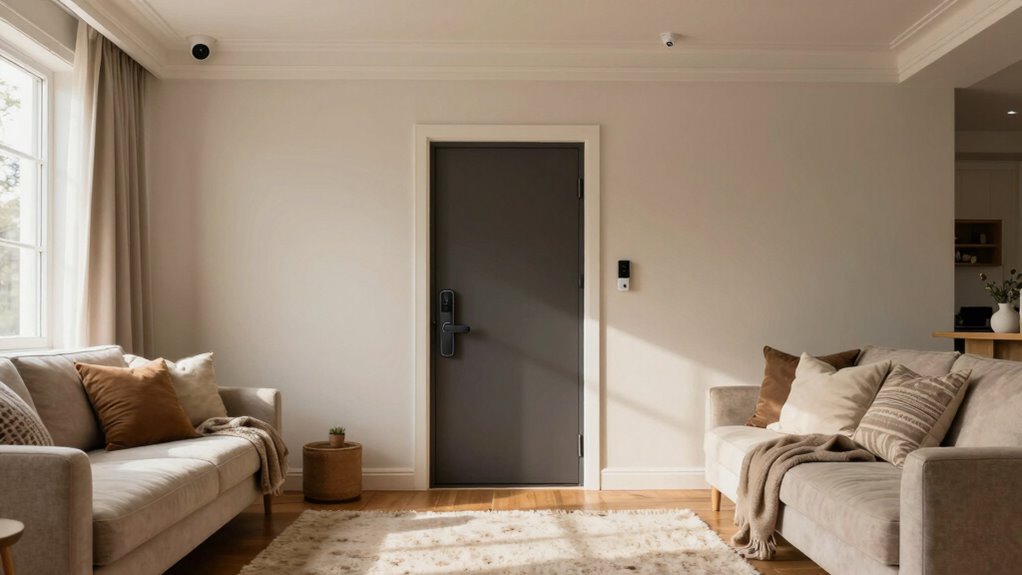

To layer your home safety without making it feel like a facility, blend smart tech with physical safeguards seamlessly into your daily life. Use discreet devices like sleek security cameras, smart locks, and lighting that enhance security without cluttering your space. Reinforce doors subtly and add environmental sensors that blend in naturally. Regularly practice safety drills, keeping emergency tools accessible and easy to use. By combining these elements thoughtfully, you create a protective environment that feels comfortable and unobtrusive. Keep exploring for more tips on achieving this balance.
Open a free Amazon Business account
Business pricing, bulk buying and tax-exempt orders.
As an affiliate, we earn on qualifying purchases.
Key Takeaways
- Integrate safety devices seamlessly into home decor to maintain aesthetic appeal.
- Use discreet physical safeguards like hidden locks and subtle lighting to avoid a fortress-like appearance.
- Incorporate smart technology that blends naturally with existing home systems and design.
- Ensure safety measures are part of daily routines, making them feel intuitive rather than obtrusive.
- Balance proactive safety tools with environmental and emergency preparedness for a natural, unobtrusive safety layer.
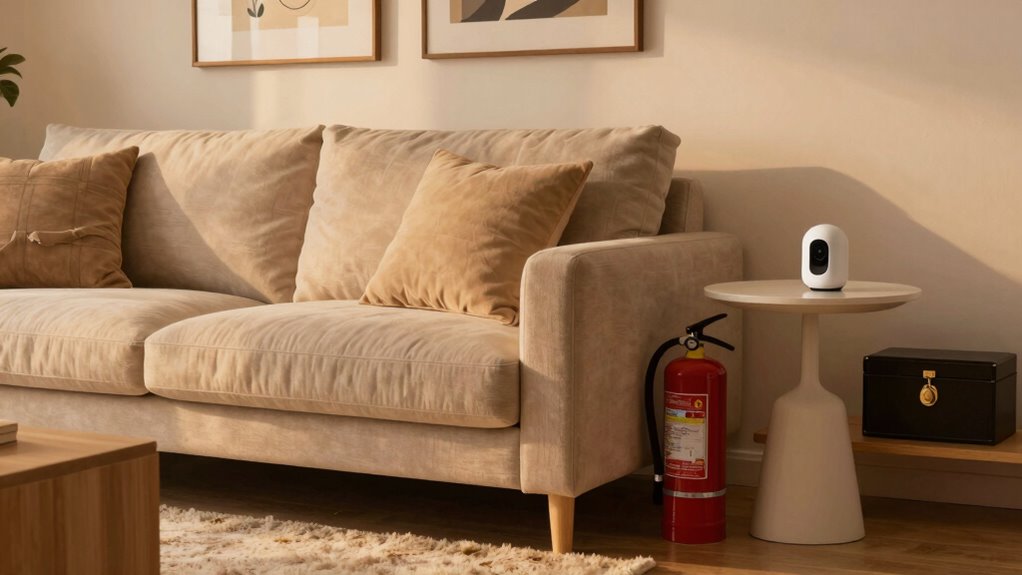
Have you ever wondered why some homes feel safer than others? It’s often because of the way security measures are layered, creating a sense of protection without overwhelming the space. You can achieve this balance by thoughtfully combining smart technology, physical safeguards, and emergency preparedness. The goal isn’t to turn your house into a fortress but to create a seamless safety net that’s both effective and unobtrusive.
Smart technology plays a crucial role in home safety layering. Modern devices like smart cameras, doorbells, and motion sensors can be integrated into your daily life without cluttering your home. These tools allow you to monitor your property remotely and receive real-time alerts, making it easy to respond to potential issues swiftly. When used correctly, smart technology enhances your emergency preparedness because you’re always aware of what’s happening outside and inside your home. You don’t need to install a maze of alarms; instead, you can select sleek, user-friendly devices that blend into your decor. This way, safety becomes part of your lifestyle rather than an intrusive addition. Incorporating home security systems that utilize smart technology can further strengthen your safety layers. Additionally, the use of biosensors can provide real-time data on environmental changes, further enhancing safety. Integrating environmental sensors can alert you to issues like humidity or temperature fluctuations that might signal problems such as leaks or fire risks.
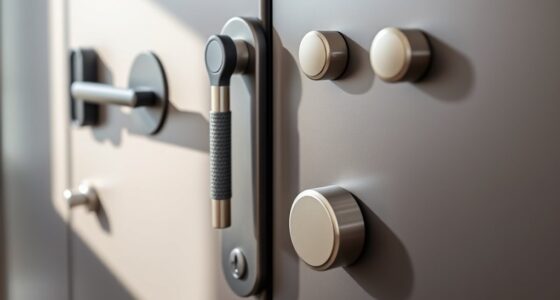
Physical safeguards also contribute to layered home safety, but they don’t have to be obvious or bulky. Reinforcing door frames, installing discreet window locks, and using good lighting around your property can deter intruders without making your home look like a secure bunker. Consider adding security film to windows for extra protection without sacrificing aesthetic appeal. These measures create a physical barrier that’s effective but doesn’t dominate your home’s design. The key is to implement these safeguards subtly, so they serve as silent protectors rather than visual statements of caution. Incorporating leak detectors into your security system can provide an additional layer of real-time data on environmental changes, further enhancing safety. Additionally, integrating indoor air monitoring devices can help prevent damage from unseen hazards, contributing to overall home safety. These devices can also monitor air quality, alerting you to potential indoor pollution or mold growth.
Emergency preparedness is the backbone of effective home safety layering. It’s not just about having safety equipment but knowing how to use it properly. Keep fire extinguishers accessible, create clear evacuation routes, and practice safety drills regularly. Being prepared means you’re confident in your response during an emergency, which reduces panic and minimizes damage. Combine this with smart technology that can alert you to smoke, carbon monoxide, or leaks, and you’re building a safety system that’s both proactive and reactive. When your home is equipped with the right tools and your family knows what to do, safety feels natural and integrated. The more you understand these safety layers, the more seamlessly they will blend into your daily routine.
As an affiliate, we earn on qualifying purchases.
Frequently Asked Questions
How Can I Balance Security and Aesthetics Effectively?
You can balance security and aesthetics by incorporating decorative security features like stylish cameras and sleek locks that blend with your home’s design. Use subtle deterrents such as plants or lighting to keep intruders cautious without cluttering your space. Prioritize discreet security measures that enhance your home’s look while providing peace of mind, ensuring safety doesn’t compromise your style.
What Are Affordable Safety Upgrades for Small Homes?
You can add affordable safety upgrades by installing a fire escape or window ladders for quick exits during emergencies. Place clear safety signage near entrances and stairways to remind everyone of safety protocols. Also, consider adding motion-activated lighting to deter intruders. These upgrades are budget-friendly, unobtrusive, and enhance safety without compromising your home’s aesthetics, helping you feel secure while maintaining a welcoming environment.
How Often Should Safety Devices Be Replaced or Updated?
You should replace or update safety devices according to your safety schedule, typically every 5 to 10 years for smoke detectors and carbon monoxide alarms. Regular device maintenance is essential—test alarms monthly and change batteries annually. For fire extinguishers, check pressure gauges monthly and replace or service them every 6 years. Staying proactive guarantees your safety devices function properly, providing reliable protection without making your home feel clinical.
Can Smart Technology Improve Home Safety Discreetly?
Like a silent guardian, smart technology can discreetly enhance your home safety. With discreet surveillance and hidden alarms, you gain protection without the house feeling like a fortress. These devices blend seamlessly into your decor, offering peace of mind while maintaining aesthetic appeal. You can monitor and respond swiftly to threats, all while preserving your home’s inviting atmosphere. Smart tech acts as a quiet sentinel, keeping your family safe without overt intrusion.
How Do I Involve Family Members in Safety Planning?
You involve family members in safety planning by encouraging open safety communication and active family participation. Sit down together to discuss potential hazards and safety routines, ensuring everyone’s input is valued. Assign specific safety roles to each person, making it a collaborative effort. Regularly review and update your safety plan as needed, fostering a shared responsibility that keeps everyone engaged and aware without making your home feel clinical.
As an affiliate, we earn on qualifying purchases.
Conclusion
By layering your home safety thoughtfully, you create a fortress of protection that feels warm and welcoming, not cold and clinical. Remember, safety measures are like the threads in a cozy quilt—interwoven to shield you without sacrificing comfort. With careful planning, your home becomes a sanctuary where security and hominess dance in perfect harmony. So, take these steps confidently, knowing you’re weaving a safety net that catches you gently, keeping your heart and home safe.
environmental sensors for home safety
As an affiliate, we earn on qualifying purchases.
As an affiliate, we earn on qualifying purchases.
As an affiliate, we earn on qualifying purchases.
Flea & tick season Picks
flea and tick prevention
As an affiliate, we earn on qualifying purchases.