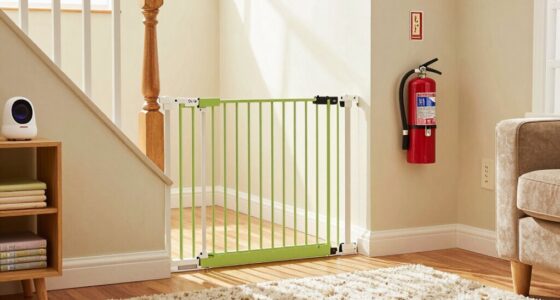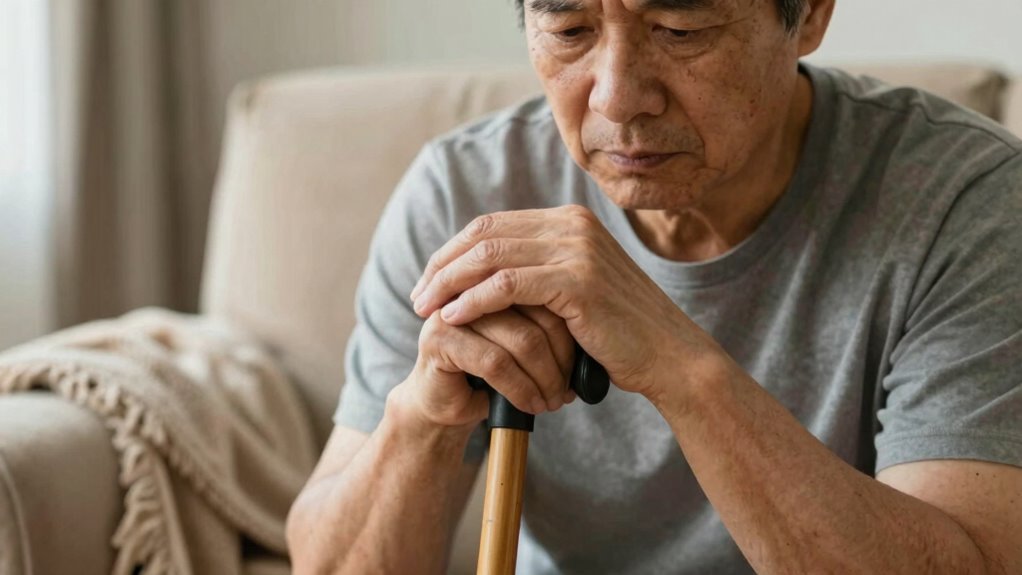

After an illness or weakness, your fall risk stays high even as you start to feel better. Your muscles may still be weak, and your balance and coordination might not be fully restored. Environmental hazards like loose rugs or poor lighting can increase your chances of falling. Monitoring medication side effects and working with a healthcare professional on exercises can help—continue exploring ways to stay safe and recover fully.

Get health and wellness essentials delivered free with Prime
- Fast, free delivery on millions of items
- Prime Video, Amazon Music and more included
- Member-only deals all year
Key Takeaways
- Fall risk remains elevated even after feeling better due to lingering muscle weakness and balance issues.
- Home safety modifications, such as grab bars and non-slip mats, help reduce fall hazards.
- Medications may cause dizziness or low blood pressure, increasing fall risk; regular review is essential.
- Physical therapy and gentle exercises can restore strength and improve stability during recovery.
- Ongoing assessment of environment and body mechanics is crucial to prevent falls during the recovery process.
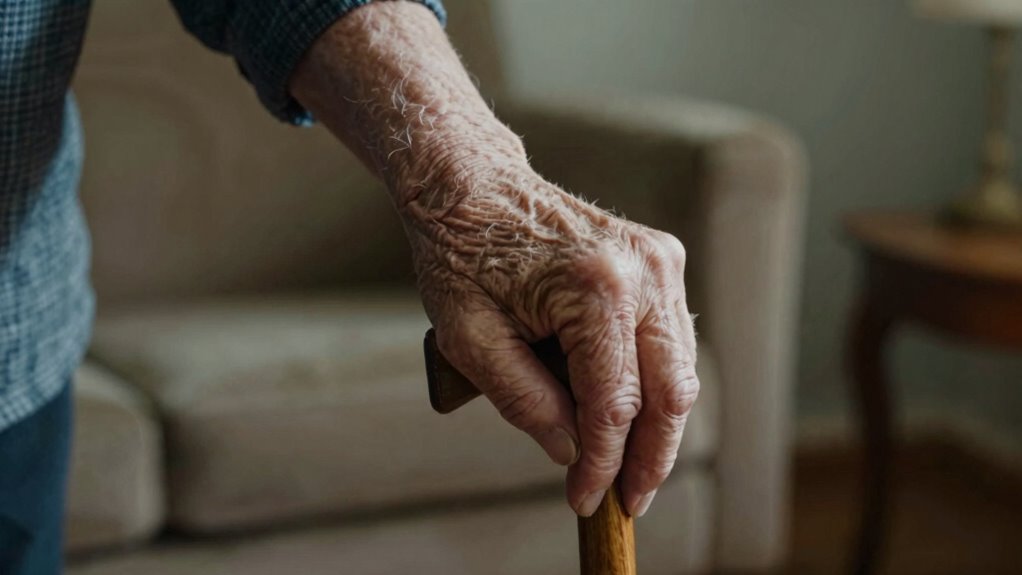
After an illness or period of weakness, your risk of falling increases considerably, even if you’re feeling better. Your muscles might still be weak, your coordination may not be fully restored, and your balance could be compromised. It’s essential to recognize that recovery isn’t just about feeling well again, but also about ensuring your environment and routines support your safety. One of the most effective ways to reduce your fall risk is by making home modifications. Simple changes like installing grab bars in the bathroom, securing loose rugs, adding non-slip mats, and ensuring good lighting can make a big difference. These adjustments help create a safer living space that minimizes hazards and supports your mobility as you regain strength.
After illness, home modifications like grab bars and good lighting can significantly reduce fall risk and support your safe recovery.
Alongside environment changes, medication management plays a vital role in preventing falls. After an illness, you might be prescribed new medications or altered doses, which can have side effects like dizziness, drowsiness, or lowered blood pressure—all of which increase fall risk. It’s crucial to review your medications regularly with your healthcare provider to identify any drugs that may cause balance issues or impair coordination. Never stop or change medications without consulting your doctor, but be proactive in discussing potential side effects and how they might impact your stability.
Recovery from illness often involves regaining strength through physical therapy or gentle exercise routines. While these activities are beneficial, they can also temporarily increase your risk if not done carefully. Always follow your healthcare provider’s guidance on exercises, and consider working with a physical therapist who can tailor a plan suited to your current abilities. As your strength improves, continue to practice safety measures, like using assistive devices if recommended, and avoid rushing back into activities that could cause you to lose your balance. Additionally, paying attention to your home safety environment can further help in minimizing hazards during this time. Regularly assessing your medication effects and being aware of how they influence your stability is also important for a smooth recovery. Incorporating hazard identification into your routine can help you catch potential risks early and prevent falls before they happen. Moreover, understanding body mechanics can improve how you perform daily activities and reduce strain that might affect your balance.
Being aware of battery capacity and watt-hours can help you better plan for safe, reliable power sources during recovery, especially if you’re using medical devices that depend on a steady power supply. Your awareness and proactive approach are key to avoiding falls during this vulnerable period. Regularly assess your environment for potential hazards, and don’t hesitate to ask for help when navigating unfamiliar or cluttered spaces. Keep a close eye on how medications affect you and stay in contact with your healthcare team to adjust your treatment plan as needed. Remember, recovery isn’t just about getting stronger physically but also about creating a safe, supportive environment and managing medications carefully. These steps help you regain confidence and reduce the chances of falling, so you can focus on your recovery and return to daily life with greater security.
As an affiliate, we earn on qualifying purchases.
Frequently Asked Questions
How Long Does Fall Risk Typically Remain Elevated After Illness?
Your fall risk usually stays elevated for a few weeks to a few months after illness, depending on your recovery timeline. Engaging in physical therapy can substantially reduce this risk by improving strength and balance. It’s important to stay cautious during this period, follow your healthcare provider’s advice, and continue exercises at home to support your recovery. Staying proactive helps prevent falls and promotes a safer return to daily activities.
Are Specific Illnesses More Likely to Increase Fall Risk?
You might think only certain illnesses increase fall risk, but chronic conditions like Parkinson’s or arthritis actually heighten your chances. Even if you’re recovering, these issues can weaken your balance and mobility. Physical therapy helps address these risks by strengthening muscles and improving coordination. Don’t underestimate how ongoing health problems can influence falls—getting targeted therapy is essential for safety, especially after illness.
Can Medication Side Effects Contribute to Fall Risk?
Yes, medication side effects can increase your fall risk. Medication warnings often highlight dizziness, drowsiness, or balance issues as common side effects. To manage this, follow your healthcare provider’s advice on side effect management carefully, report any troubling symptoms promptly, and avoid sudden movements. Staying aware of how your medications affect you helps reduce the chance of falls after illness or weakness.
What Home Modifications Can Reduce Fall Risk Post-Illness?
You can improve home safety by removing tripping hazards like loose rugs and clutter, adding grab bars in bathrooms, and ensuring good lighting throughout your home. Using mobility aids such as walkers or canes provides extra support and stability. Installing handrails on stairs also reduces fall risk. These modifications help create a safer environment, especially after illness or weakness, and make it easier for you to move confidently around your home.
When Should I Seek Medical Advice for Fall Concerns?
When you notice persistent dizziness, unsteady gait, or frequent near-falls, it’s time to seek medical advice—don’t ignore warning signs. Remember, an ounce of prevention is worth a pound of cure. Prioritize exercise safety and balance improvement strategies, but if concerns continue, consult a healthcare professional. Early intervention can prevent serious falls and help you regain confidence in your mobility. Trust your instincts and act promptly.
As an affiliate, we earn on qualifying purchases.
Conclusion
Remember, sometimes a simple stumble can be more than just bad luck—it might be a sign your body’s still recovering. After illness or weakness, your risk of falling naturally increases, but staying aware and taking precautions can make all the difference. Coincidentally, a moment of caution today could prevent a serious fall tomorrow. Trust that paying attention now helps protect your future, giving you the confidence to move through life’s unpredictable turns safely.
As an affiliate, we earn on qualifying purchases.
As an affiliate, we earn on qualifying purchases.
Cold & flu season Picks
humidifiers
As an affiliate, we earn on qualifying purchases.