

To build a safer nighttime routine for older adults, start by managing medications carefully, ensuring they’re taken correctly and on schedule. Create a relaxing, clutter-free environment with gentle lighting and a comfortable room temperature. Establish consistent sleep and wake times, avoiding screens and stimulating activities before bed. Conduct safety checks around the home, removing tripping hazards and ensuring proper lighting and ventilation. Small, consistent adjustments can make a big difference, and more tips await if you continue.
Prime for Young Adults — start your free trial
Fast free delivery, streaming and member deals for eligible 18–24 year olds.
As an affiliate, we earn on qualifying purchases.
Key Takeaways
- Establish a consistent bedtime and wake-up schedule to regulate the internal clock.
- Create a clutter-free, well-lit environment with easy-to-operate lighting and remove tripping hazards.
- Ensure medications are managed properly to prevent side effects like drowsiness or dizziness.
- Keep emergency devices within reach and regularly check electrical safety to prevent hazards.
- Incorporate relaxing activities and limit stimulants to promote a calm, restful sleep routine.
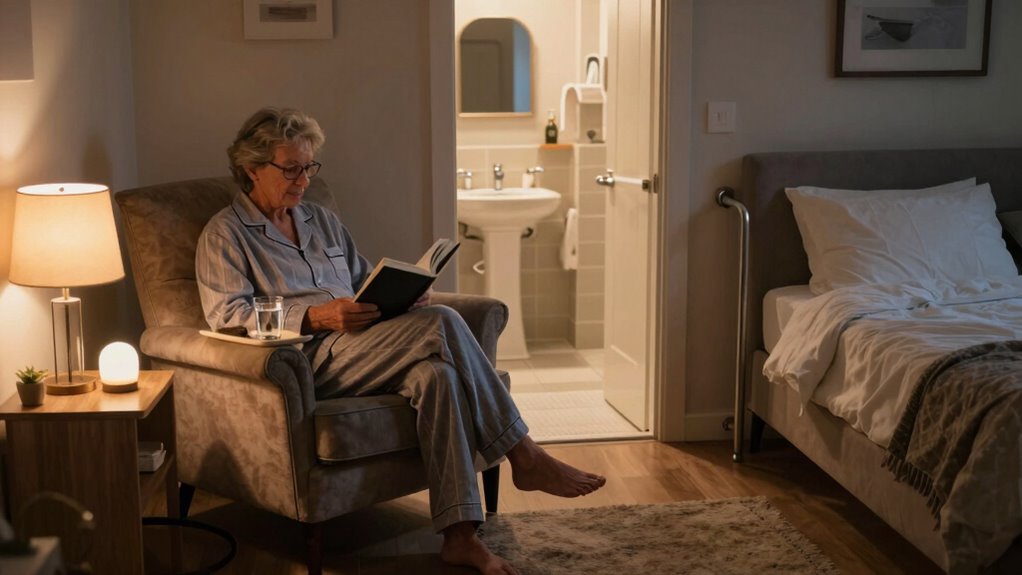
Establishing a safe and comfortable nighttime routine is essential for older adults to enjoy restful sleep and prevent accidents. A key aspect of this is medication management. You need to guarantee that all medications are taken as prescribed and at the right times. Keep a clear schedule and communicate regularly with healthcare providers to prevent missed doses or accidental double doses. Avoid mixing medications that could cause drowsiness or interfere with sleep, and be cautious about any side effects that may increase fall risk, such as dizziness or confusion. Proper medication management helps minimize daytime fatigue and nighttime disturbances, creating a more stable and predictable sleep pattern.
Creating a supportive sleep environment is equally important. Your bedroom should be a sanctuary that promotes relaxation and safety. Start by removing clutter and tripping hazards like loose rugs or electrical cords that could cause falls during nighttime trips to the bathroom. Make sure the lighting is gentle and easy to turn on, so you’re not startled awake or at risk of tripping over furniture. Keep a bedside lamp within reach, along with a phone or emergency alert device, so you can call for help if needed. Keep the room at a comfortable temperature—neither too hot nor too cold—and use breathable linens to help regulate your body temperature throughout the night. Additionally, air quality considerations such as ensuring proper ventilation can further improve sleep comfort and health.
Your sleep environment also benefits from a consistent routine. Going to bed and waking up at the same time each day helps regulate your internal clock, making it easier to fall asleep and wake feeling refreshed. Avoid stimulating activities or screens close to bedtime, and consider relaxing practices such as reading or gentle stretching. Limit caffeine and heavy meals in the evening, as they can disrupt sleep or cause discomfort. If you experience frequent awakenings, a white noise machine or blackout curtains can create a soothing atmosphere and reduce disturbances from outside light or noise. Additionally, power outlets should be checked regularly to ensure they are safe and not overloaded, reducing fire hazards and electrical risks.
Finally, to build a truly safe and effective nighttime routine, pay attention to your body’s signals and adjust as needed. Regular check-ins with your healthcare team can help identify issues like sleep apnea or other conditions that may interfere with rest. Incorporating household safety tips such as ensuring proper lighting and removing tripping hazards can significantly reduce nighttime accidents. An awareness of electrical safety and other safety precautions can further prevent hazards within your home. By managing medications carefully and optimizing your sleep environment, you create a foundation for better sleep, fewer accidents, and a higher quality of life. Consistency is key—small, mindful changes can make a significant difference in ensuring your nights are restful and safe.
elderly nightlight with adjustable brightness
As an affiliate, we earn on qualifying purchases.
As an affiliate, we earn on qualifying purchases.
Frequently Asked Questions
How Can I Encourage Older Adults to Stick to Their Nighttime Routine?
You can encourage older adults to stick to their nighttime routine by emphasizing the importance of sleep hygiene and routine consistency. Remind them that maintaining a regular bedtime and wake time promotes better sleep quality. Support their efforts by creating a calming environment, limiting screen time before bed, and gently encouraging them to follow their routine daily. Positive reinforcement and patience will help them develop habits that improve their overall sleep health.
What Are Common Nighttime Hazards for Seniors?
You should be aware of common nighttime hazards for seniors, like falls and medication management issues. Falls often happen due to poor lighting, clutter, or slippery floors, so guarantee pathways are clear and well-lit. Medication mishaps can cause confusion or dizziness; encourage proper medication management and a consistent routine. Addressing these hazards helps prevent accidents, making the night safer and more comfortable for older adults.
How Do I Address Sleep Disturbances in Older Adults?
To address sleep disturbances in older adults, focus on improving sleep hygiene by establishing consistent bedtimes and limiting screen time before bed. Encourage relaxing activities like reading or gentle stretches. If dream disturbances occur, consider reducing caffeine and alcohol intake, and discuss any recurring issues with a healthcare professional. Creating a calm, comfortable sleep environment helps promote better rest and reduces nighttime disruptions for older adults.
Are There Specific Lighting Recommendations for Safety?
You should use smart lighting and motion sensors to enhance safety. Install soft, warm lights along hallways, bathrooms, and staircases to guarantee visibility without causing glare. Use motion sensors to automatically turn lights on when movement is detected and off when it’s no longer needed, reducing fall risks and promoting independence. Consistent, gentle lighting helps older adults navigate safely, feel secure, and maintain a routine that supports their nighttime safety.
How Can I Reduce Anxiety Related to Bedtime?
To reduce bedtime anxiety, you can practice relaxation techniques like deep breathing or gentle stretches before bed. Creating a calming sleep environment also helps—dim the lights, eliminate noise, and keep the room cool. Establishing a consistent routine signals your body it’s time to unwind. These steps help ease your mind, promote better sleep, and make bedtime a more peaceful, enjoyable experience for older adults.
bedside emergency alert device for seniors
As an affiliate, we earn on qualifying purchases.
As an affiliate, we earn on qualifying purchases.
Conclusion
By creating a safer nighttime routine, you turn darkness into a gentle guardian rather than a looming threat. Imagine slipping into bed as if wrapped in a warm, secure embrace, instead of steering through shadows or hazards. Your loved one’s nights become peaceful islands amid the stormy seas of uncertainty. With careful planning and simple adjustments, you transform nightly fears into tranquil dreams, ensuring their rest is as safe as it is restful—peace in the quiet hours.
non-slip rugs for elderly safety
As an affiliate, we earn on qualifying purchases.
As an affiliate, we earn on qualifying purchases.
As an affiliate, we earn on qualifying purchases.
NFL season / tailgating Picks
team gear
As an affiliate, we earn on qualifying purchases.