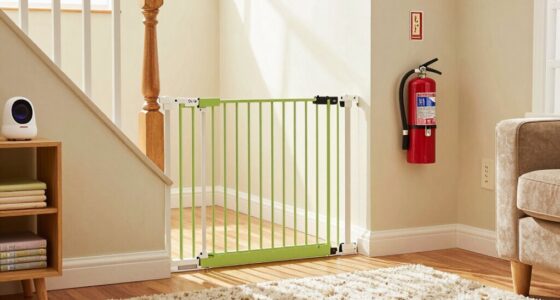

After a close call or near fall, check your equipment for signs of wear, damage, or malfunction, and ensure all safety gear is in proper condition. Review emergency procedures with your team, confirm clear communication channels, and verify exits are accessible. Inspect the environment for hazards like clutter or poor lighting. Ultimately, record what happened, reflect on safety habits, and consider improvements. If you keep exploring, you’ll discover even more ways to prevent future incidents.

Get health and wellness essentials delivered free with Prime
- Fast, free delivery on millions of items
- Prime Video, Amazon Music and more included
- Member-only deals all year
Key Takeaways
- Inspect equipment and safety gear for signs of wear, damage, or malfunction; address issues immediately.
- Review emergency procedures and ensure all team members are familiar with response protocols.
- Conduct root cause analysis to identify triggers like hazards, fatigue, or equipment failure.
- Assess environmental conditions such as lighting and clutter that may contribute to hazards.
- Document the incident details, inspections, and corrective actions for continuous safety improvement.
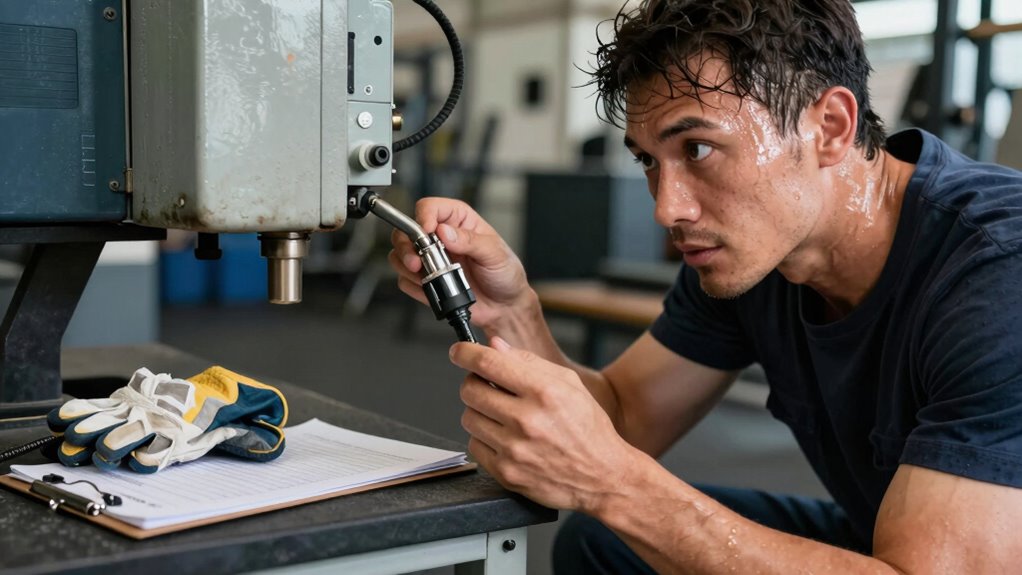
After experiencing a close call, it’s vital to assess the situation thoroughly to prevent future incidents. The first step is to conduct a careful equipment inspection. Check all tools, machinery, or safety gear involved in the incident. Look for signs of wear and tear, loose parts, or any damage that might have contributed to the near fall. If you notice anything out of the ordinary, don’t ignore it—address it immediately. Proper equipment inspection guarantees everything functions as it should and reduces the risk of a repeat event. Remember, even small issues can escalate into serious problems if left uncorrected. Regular ADAS sensor calibration is also essential to ensure safety systems function correctly after a close call.
Inspect tools and equipment carefully after a close call to prevent future accidents and ensure safety.
Next, review your emergency procedures. Confirm that you and your team know exactly what to do in case of a fall or accident. Think about whether your current protocols are clear and effective. If you had to respond quickly during the close call, consider whether your actions aligned with established safety procedures. Were emergency exits accessible? Did you know who to contact or how to summon help? If there’s any uncertainty, take this opportunity to update and reinforce your emergency procedures. Conduct a quick drill if needed, so everyone understands their role and can respond confidently next time.
It’s also vital to analyze what triggered the close call. Was it a lapse in safety protocols, fatigue, or environmental factors? Understanding the root cause helps you implement targeted solutions. For example, if a piece of equipment malfunctioned, maybe it’s time for more regular maintenance. If distractions played a role, consider ways to minimize them in your workspace. Additionally, water safety protocols, even in environments not traditionally associated with water hazards, can sometimes be overlooked but are crucial in preventing slips or falls. Identifying these factors helps you develop a thorough safety plan that addresses potential hazards before they lead to actual accidents. Recognizing signs of equipment failure early can often prevent incidents from occurring altogether.
Additionally, consider your personal safety habits. Did you follow your usual safety checks? Were you wearing proper protective gear? Reflect honestly on your actions and whether there’s room for improvement. Sometimes, close calls happen because safety steps are overlooked or rushed. Reinforcing a safety-first mindset makes a big difference in preventing future falls. Incorporating regular safety training can further strengthen awareness and preparedness among team members. Furthermore, paying attention to environmental conditions such as lighting or clutter can help reduce risks associated with hazards in the workplace.
Finally, document everything related to the incident and your follow-up actions. Keeping detailed records of equipment inspections, safety adjustments, and emergency procedures helps you track progress and identify patterns. This documentation can be invaluable during safety audits or when reviewing incident reports. By taking these steps, you create a safer environment, reduce risks, and foster a culture of proactive safety management. Remember, a close call is a warning—use it as an opportunity to improve your safety practices and protect yourself and others from potential harm.
equipment inspection safety gear
As an affiliate, we earn on qualifying purchases.
As an affiliate, we earn on qualifying purchases.
Frequently Asked Questions
How Soon Should I See a Doctor After a Close Call?
You should see a doctor immediately after a close call or near fall, especially if you experience pain, dizziness, or confusion. Quick action is essential for preventive measures and to rule out serious injuries. Keep emergency contacts handy so you can reach help fast if symptoms worsen. Don’t delay, even if you feel fine—early medical attention can prevent long-term issues and guarantee your safety.
Are There Long-Term Injuries I Might Not Notice Immediately?
Think of your body as a delicate map, where some injuries hide like secret trails. Long-term injuries can be like hidden treasures, waiting to reveal themselves through delayed symptoms. You might not notice immediate signs, but trouble could be brewing beneath the surface. Keep an eye out for persistent headaches, dizziness, or pain that worsens over time. Consulting a healthcare professional guarantees you uncover any hidden injuries before they become lasting landmarks.
What Signs Indicate a Concussion or Head Injury?
You should watch for signs like confusion, dizziness, headache, or nausea, which could indicate a concussion or head injury. Be alert for symptoms like blurred vision or sensitivity to light, as they might signal brain swelling. If you suspect a skull fracture, look for bleeding or a bump that doesn’t improve. Seek medical attention immediately if any of these signs appear, as prompt care is vital to prevent serious complications.
Should I Rest or Stay Active After a Near Fall?
You should rest after a near fall to allow your body to recover and prevent further injury. Staying active might worsen muscle strain or cause additional stress, especially if you experience an emotional response like fear or anxiety. Rest helps your muscles relax and gives your mind time to process what happened. Listen to your body; if symptoms worsen, seek medical advice and avoid strenuous activity until you’re fully recovered.
When Is It Safe to Return to Normal Activities?
About 60% of people experience emotional impacts after a near fall, so it’s vital to prioritize safety precautions. You should wait until you feel physically and emotionally stable before returning to normal activities. Listen to your body, and if you notice dizziness or anxiety, take extra time to recover. Consulting a healthcare professional guarantees your safety, helping you avoid further risks and regain confidence in your movement.
emergency exit signs and lighting
As an affiliate, we earn on qualifying purchases.
As an affiliate, we earn on qualifying purchases.
Conclusion
After a close call, think of it as a warning sign on a winding road. Take a moment to reflect, check your equipment, and assess what went wrong. Treat it as a precious lesson rather than a setback, sharpening your awareness for the journey ahead. Remember, every near fall is like a nudge from the universe—reminding you to stay vigilant and prepared. By doing so, you’ll navigate future challenges with greater confidence and safety.
fall prevention safety equipment
As an affiliate, we earn on qualifying purchases.
As an affiliate, we earn on qualifying purchases.
workplace hazard inspection tools
As an affiliate, we earn on qualifying purchases.
As an affiliate, we earn on qualifying purchases.
Cold & flu season Picks
humidifiers
As an affiliate, we earn on qualifying purchases.