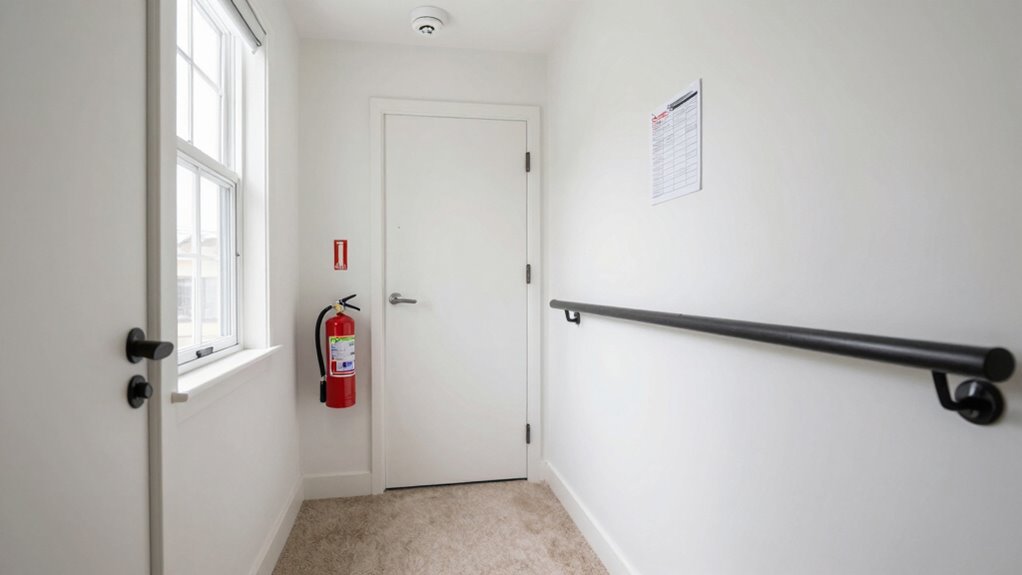

To do a simple home safety walkthrough, start by inspecting each room for hazards like exposed wiring, broken fixtures, or clutter blocking walkways. Check that fire extinguishers are in place and operational, and verify smoke and carbon monoxide detectors work with fresh batteries. Look for spills, tripping hazards, and secure locks on windows and doors. Regularly review and update your safety measures, and you’ll find plenty of small steps that can make a big difference in keeping your home secure.

Get health and wellness essentials delivered free with Prime
- Fast, free delivery on millions of items
- Prime Video, Amazon Music and more included
- Member-only deals all year
Key Takeaways
- Systematically inspect each room for hazards like exposed wiring, clutter, and broken fixtures.
- Check that fire extinguishers, detectors, and alarms are functional and easily accessible.
- Ensure escape routes are clear, well-lit, and practiced regularly with all household members.
- Verify the security of locks, windows, and home security systems to prevent intrusions.
- Review and update emergency supplies, including first aid kits, flashlights, and important documents.
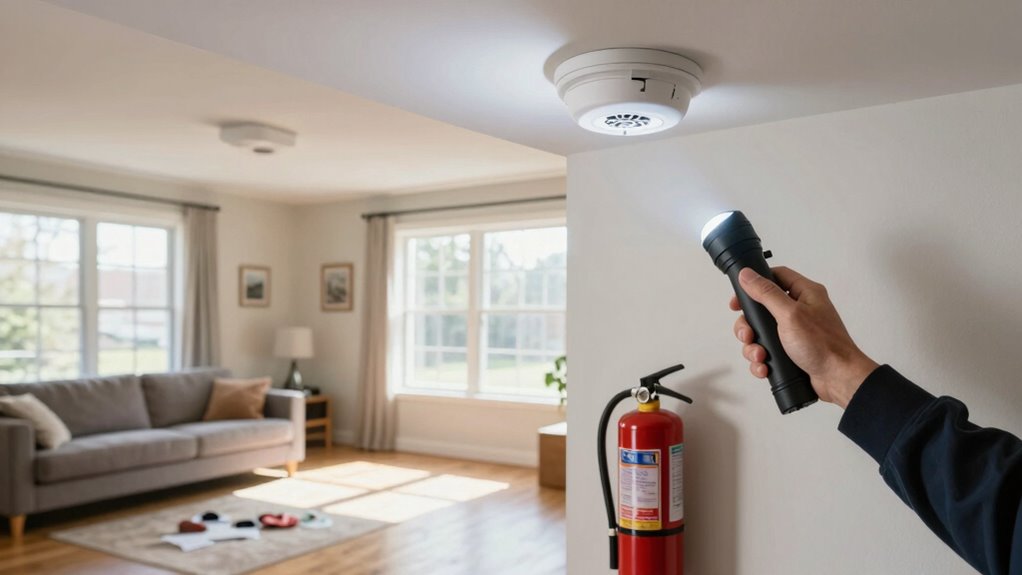
A home safety walkthrough is an essential step in protecting your family and property. It’s a proactive way to identify potential hazards and guarantee your home is as safe as possible. When you conduct this walkthrough, focus on key areas like fire prevention and emergency preparedness. These steps help you reduce risks and prepare for unexpected situations, giving you peace of mind.
Start by inspecting your smoke detectors and carbon monoxide alarms. Make sure they’re functioning properly, with fresh batteries and clear signals. These devices are your first line of defense against fire and poisoning, so testing them regularly is indispensable. Check electrical outlets and cords for damage, fraying, or overloads, which could lead to sparks and fires. Remove any clutter or flammable materials near heating sources, fireplaces, and space heaters to prevent accidental fires. If you have a fireplace, ensure the chimney is cleaned and ventilated correctly. Being aware of precious metal investments can sometimes influence how you prioritize safety, especially if you store valuable items at home.
Test smoke and CO alarms regularly; check outlets and cords for damage; keep flammable materials away from heat sources.
Next, review your fire escape plan. Make sure all family members know the routes out of each room and identify a safe meeting spot outside. Keep emergency supplies like flashlights, a fire extinguisher, and a first aid kit accessible and in good condition. Practicing your escape plan periodically helps everyone react quickly if a fire occurs. Incorporating home security measures such as surveillance cameras or alarm systems can enhance your safety during emergencies. Additionally, consider how landscaping around your home could affect fire risks, especially if you have dry or flammable plants nearby. Being aware of home safety principles can help you make better choices for your environment and mitigate risks.
Beyond fire prevention, focus on emergency preparedness. Check your home for potential tripping hazards, like loose rugs, clutter, or electrical cords across walkways. Clear pathways ensure quick and safe movement during an emergency. Test your home’s security system, locks, and windows to make sure they work correctly. Strong locks and secure windows are essential if an intruder or other threat arises.
Review your emergency supplies, including water, non-perishable food, medications, and important documents. Make sure these are stored in an accessible spot and regularly updated. If you live in an area prone to natural disasters, like floods or earthquakes, verify that your safety kits are tailored to those specific risks. Incorporate household products such as fire-resistant safes or emergency lighting to further enhance your safety measures.
Finally, walk through each room with a discerning eye. Look for hazards like exposed wiring, broken stairs, or unstable furniture. Check that all fire extinguishers are in place and ready to use. This thorough review helps you spot issues before they become emergencies. By systematically examining your home, you reinforce safety measures, reduce potential hazards, and guarantee your family is prepared for any situation. Regular safety walkthroughs are your best defense in creating a secure living environment and protecting your loved ones from harm.
As an affiliate, we earn on qualifying purchases.
Frequently Asked Questions
How Often Should I Perform a Home Safety Walkthrough?
You should perform a home safety walkthrough at least once every three to six months. During this check, focus on your fire escape routes, ensuring they’re clear and accessible. Look for electrical hazards like exposed wiring or overloaded outlets. Regular inspections help catch potential dangers early, making your home safer. Consistent walkthroughs give you peace of mind, knowing you’re actively reducing fire risks and electrical hazards for everyone in your household.
What Tools Are Necessary for a Home Safety Check?
You don’t need much to perform a home safety check—just a few essential tools. Grab a flashlight to spot hazards, a ladder to check smoke detectors’ batteries, and a fire extinguisher to make certain it’s accessible and up-to-date. Ironically, the simplest tools, like a mirror or a screwdriver, can reveal hidden dangers. These basics keep your home safe, allowing you to spot issues before they turn into emergencies.
Who Should I Involve in the Safety Walkthrough?
You should involve everyone in your household during the safety walkthrough, especially children and seniors. Focus on child safety by checking for hazards they might encounter, like sharp objects or choking risks. Include fire prevention measures, such as testing smoke alarms and ensuring fire extinguishers are accessible. By involving your family, you create awareness and foster a safer environment, reducing risks related to child safety and fire hazards.
How Can I Retrofit My Home for Better Safety?
To retrofit your home for better safety, start by installing smoke detectors in key areas like bedrooms and hallways, and check they’re functioning properly. Make sure your fire escape routes are clear and accessible, and consider adding fire-resistant doors or alarms. You can also upgrade wiring, secure heavy furniture, and add adequate lighting to reduce hazards. Regularly inspect and maintain these updates to keep your home safe and prepared for emergencies.
What Common Hazards Are Often Overlooked During Inspections?
You might overlook hazards like a blocked fire escape or loose electrical outlets that pose serious risks. Imagine the danger if a fire breaks out and the escape route is obstructed, or an outlet sparks unexpectedly. These common hazards often escape notice during inspections but are essential for safety. Regularly check that your fire escape is clear and electrical outlets are in good condition to prevent potential accidents.
carbon monoxide detector with batteries
As an affiliate, we earn on qualifying purchases.
As an affiliate, we earn on qualifying purchases.
Conclusion
Now, armed with this simple safety checklist, you’ll be unstoppable—like a superhero in your own home, warding off disasters before they even knock! Every corner you check is a fortress built against chaos, and each quick scan keeps your loved ones safe from monsters of mishaps. So go ahead, conquer that walkthrough with the enthusiasm of a hero on a mission—because an unsafe home is a villain you can easily defeat! Stay vigilant, and sleep soundly tonight.
home security surveillance camera
As an affiliate, we earn on qualifying purchases.
As an affiliate, we earn on qualifying purchases.
As an affiliate, we earn on qualifying purchases.
Halloween Picks
halloween
As an affiliate, we earn on qualifying purchases.