To build safer bathroom habits, start by keeping the space clean and dry, especially around the toilet, sink, and shower. Use supportive features like grab bars and non-slip mats, and guarantee your lighting is bright and clear, possibly with nightlights. Set water temperatures to avoid burns and always test before stepping in. Moving slowly and maintaining clutter-free surroundings help prevent slips. Keep practicing these habits consistently to reduce fall risks—exploring more tips will make your bathroom even safer.

Get health and wellness essentials delivered free with Prime
- Fast, free delivery on millions of items
- Prime Video, Amazon Music and more included
- Member-only deals all year
Key Takeaways
- Regularly clean and dry bathroom surfaces to reduce slip hazards and clutter.
- Install grab bars, non-slip mats, and supportive fixtures to enhance stability.
- Adjust water temperature to a safe level (around 120°F) to prevent scalds.
- Ensure the bathroom is well-lit, using nightlights and bright bulbs for visibility.
- Cultivate mindful habits like moving slowly and confirming safety before standing or walking.

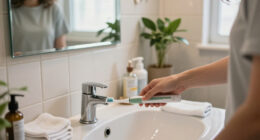
Bathrooms can be hazardous spaces, but with mindful habits, you can considerably reduce the risk of accidents. One of the simplest yet most effective ways to do this is by maintaining a clean and dry environment. Regular bathroom cleaning helps remove soap scum, water stains, and slippery residues that can cause you to slip. Pay close attention to the floors, especially around the toilet, sink, and shower area, and confirm they’re dry before walking away. Keeping the bathroom tidy minimizes clutter, which can be a tripping hazard, and guarantees you have a safe, unobstructed path at all times.
Keeping the bathroom clean and dry reduces slips and trips, creating a safer space for everyone.
Controlling water temperature is another essential step in building safer bathroom habits. Setting your water heater to a safe temperature—around 120°F (49°C)—helps prevent scalding injuries, especially if you share the bathroom with children or elderly family members. When you take a shower or bath, always test the water first with your hand or elbow before stepping in fully. This simple check can prevent painful burns caused by unexpectedly hot water. Additionally, avoid rushing when adjusting the faucet, as sudden changes in water temperature can startle you and increase the risk of slipping or falling.
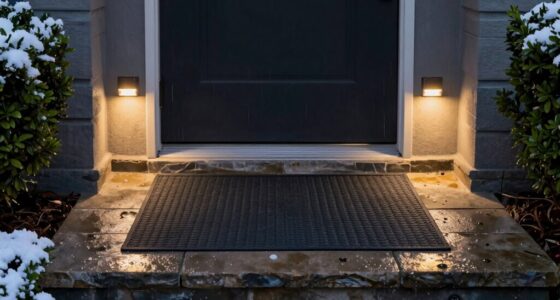
Gaining awareness of your surroundings is key. Use grab bars or handrails near the shower and toilet, especially if you have mobility issues or balance concerns. These fixtures provide support and stability, making it safer to sit, stand, or get in and out of the shower. When entering or exiting the bathroom, take your time and avoid rushing. Moving slowly reduces the chance of slipping on wet or uneven surfaces. Consider using non-slip mats both inside the shower and on the bathroom floor, which offers extra grip and prevents dangerous falls. Additionally, proper lighting can help you see hazards more clearly and prevent accidents. Proper lighting is especially crucial for vision safety, ensuring you can navigate safely at all times. Incorporating lighting control features, such as dimmers or motion sensors, can further enhance safety and convenience. Being aware of potential hazards and lighting conditions makes a significant difference in preventing falls.
Lighting also plays a critical role. Keep the bathroom well-lit, particularly at night, to avoid missteps in the dark. Install nightlights if needed, and ensure bulbs are bright enough to illuminate every corner. This reduces shadows and helps you see potential hazards clearly. Remember, safety is about consistency. Incorporating safety features like grab bars and non-slip mats into your routine—along with regular cleaning, managing water temperature carefully, and ensuring proper lighting—will help create a safer environment for everyone. Small, intentional steps can make a big difference in preventing falls and ensuring your bathroom remains a secure space.
As an affiliate, we earn on qualifying purchases.
Frequently Asked Questions
How Can I Make My Bathroom More Slip-Resistant?
You can make your bathroom more slip-resistant by adding non-slip mats in the shower and on the floor. Improve bathroom lighting to guarantee visibility and reduce accidents. Consider installing grab bars near the shower and toilet for extra support. Keep the floor dry and clean to prevent slips. These steps create a safer environment, helping you avoid falls and feel more confident when using your bathroom.
Are There Specific Bathroom Products to Prevent Falls?
Yes, there are specific bathroom products to prevent falls. You should install non-slip mats in the shower and near the bathtub to reduce slipping risks. Additionally, grab bars placed strategically around the shower, bathtub, and toilet provide extra support when standing or sitting. These products help you maintain balance and stability, making your bathroom much safer. Regularly check and clean these items to guarantee they remain effective.
How Often Should Bathroom Safety Checks Be Performed?
You should perform bathroom safety checks weekly to guarantee everything is secure and functioning properly. During these checks, focus on bathroom lighting to prevent accidents in low visibility, and verify that grab bars and non-slip mats are in place. Also, review your emergency preparedness plan, making sure you have easy access to emergency contacts and safety tools. Regular checks help you identify hazards early and keep your bathroom safe.
Can Bathroom Modifications Help Elderly Independence?
Bathroom modifications can dramatically boost elderly independence, turning a potentially hazardous space into a safe haven. Installing grab bars, non-slip mats, and raised toilet seats creates a fortress of safety. Coupled with home automation and emergency response systems, you can guarantee quick help during emergencies, making it easier for seniors to navigate their bathrooms confidently. These changes empower independence while providing peace of mind for both seniors and their loved ones.
What Should I Do if Someone Falls in the Bathroom?
If someone falls in the bathroom, you should stay calm and assess their condition. Call emergency response immediately if they’re injured or unable to move. Help them into a comfortable position without moving their neck or spine if you suspect injury. Offer reassurance and stay with them until help arrives. For fall recovery, support their weight carefully and encourage them to seek medical check-up, even if they seem okay.
As an affiliate, we earn on qualifying purchases.
Conclusion
By transforming your bathroom routine into a safe sanctuary, you create a haven where falls become less likely. Imagine stepping onto a non-slip mat, feeling the cool grip beneath your feet, as you reach for sturdy grab bars that feel like reliable friends. With these small, mindful changes, your bathroom becomes a place of comfort and security—a space where confidence flows as smoothly as warm water, keeping you safe with every visit.
bathroom nightlights with motion sensor
As an affiliate, we earn on qualifying purchases.
As an affiliate, we earn on qualifying purchases.
adjustable bathroom lighting fixtures
As an affiliate, we earn on qualifying purchases.
As an affiliate, we earn on qualifying purchases.
Fall Picks
fall essentials
As an affiliate, we earn on qualifying purchases.