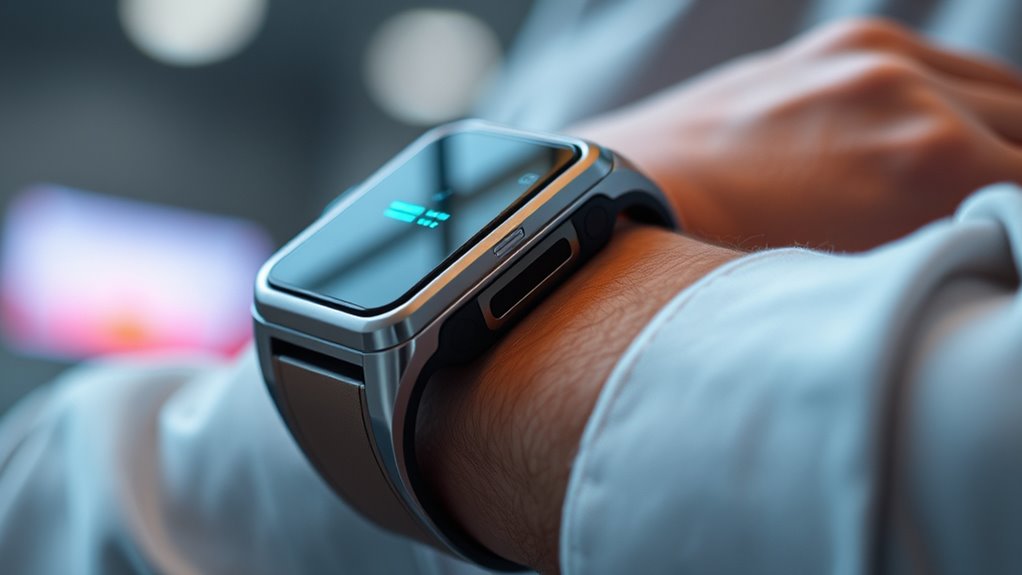

Emergency alert systems integrated with wearables are crucial for quick responses during emergencies, helping protect your health and safety. These systems rely on your devices to deliver timely alerts and monitor essential signs. But, keep in mind, privacy concerns and data security are important, so opt for devices with strong encryption. Interoperability between different wearables ensures seamless communication when you need it most. If you want to discover more about optimizing safety with wearables, stay with us.

Get health and wellness essentials delivered free with Prime
- Fast, free delivery on millions of items
- Prime Video, Amazon Music and more included
- Member-only deals all year
Key Takeaways
- Wearable devices enhance emergency response by providing real-time alerts and health monitoring capabilities.
- Privacy and data security are critical, requiring robust encryption and clear policies to protect sensitive information.
- Environmental considerations urge sustainable manufacturing and disposal practices for wearable devices.
- Interoperability challenges can hinder effective emergency alerts; standards and open ecosystems improve device communication.
- Selecting compatible, privacy-focused wearables maximizes safety benefits and ensures seamless integration during emergencies.

In today’s fast-paced world, emergency alert systems are becoming more essential, especially when integrated with wearable technology. As you rely more on these devices to keep you safe, it’s important to understand the potential challenges that come with their widespread adoption. Privacy concerns often top the list, since these systems collect and transmit sensitive health and location data. You might worry about how securely your information is stored and whether third parties could access it without your consent. Ensuring that your data remains protected is vital, especially when emergency alerts involve sharing real-time location or health status. Manufacturers and service providers need to implement strong encryption and privacy policies to address these concerns, but you should also stay informed about how your data is used and opt for devices that prioritize user privacy. Additionally, awareness of the environmental impacts of device manufacturing and disposal can help you make more sustainable choices when selecting wearable technology.
Another critical aspect to consider is device interoperability. As you integrate various wearables—smartwatches, fitness bands, medical devices—into your emergency alert system, compatibility becomes crucial. If these devices don’t communicate seamlessly, you might miss out on timely alerts or encounter delays in emergency response. Interoperability issues can stem from differing operating systems, proprietary software, or incompatible hardware standards. To maximize the benefits of wearable-integrated alert systems, you should choose devices that adhere to common industry standards or are designed to work within open ecosystems. This ensures that your health data and alerts move smoothly between devices and platforms, providing a cohesive safety net in emergencies. Moreover, considering the environmental impacts of your devices can contribute to more sustainable and eco-friendly choices in your technology use.
As an affiliate, we earn on qualifying purchases.
Frequently Asked Questions
How Do Emergency Alerts Differ Across Countries?
You’ll notice that emergency alerts differ across countries due to cultural variations and technological disparities. Some nations prioritize direct, urgent messages, while others use more formal or indirect communication styles. Technological access also plays a role—advanced countries may use mobile alerts or wearable devices, whereas others rely on radio or community alerts. These differences reflect each country’s culture, infrastructure, and technological capabilities, shaping how emergency information reaches and influences their populations.
Can Wearables Detect All Types of Emergencies Automatically?
Imagine you’re living in the 1800s with a smartwatch—fancy, right? Wearables can’t detect all emergencies automatically because sensor accuracy varies, and they may trigger false alarms. They excel at monitoring certain health issues or falls but struggle with complex or subtle emergencies like chemical leaks or earthquakes. So, while helpful, wearables aren’t foolproof; they can miss or misfire, making manual alerts still essential in many situations.
What Privacy Concerns Are Associated With Wearable Emergency Alerts?
You might worry about privacy when using wearable emergency alerts. These devices often track your location and collect personal data, raising concerns about data encryption and unauthorized access. If your data isn’t properly encrypted, it could be susceptible to hackers. Additionally, continuous location tracking might reveal your movements, potentially compromising your privacy. Always check the device’s security features and privacy policies to make certain your information stays protected.
How Reliable Are Wearable Alert Systems During Power Outages?
They say “hope for the best, prepare for the worst,” and that’s true for wearable alert systems during power outages. Your device’s battery life and signal reliability are essential. Most wearables have limited battery life, so alerts might not function if power isn’t restored quickly. Signal reliability can also be affected by network disruptions, making these devices less dependable during extended outages. Stay prepared with backup plans.
Are There Specific Wearables Designed for Children or Seniors?
Yes, there are wearables designed specifically for children and seniors. These devices often include child-specific features like GPS tracking and parental controls, ensuring your child’s safety. For seniors, safety functions like fall detection, emergency SOS buttons, and health monitoring are common. These tailored features help you stay connected and secure, giving you peace of mind knowing your loved ones are protected and easily reachable in emergencies.
wearable health monitoring device
As an affiliate, we earn on qualifying purchases.
As an affiliate, we earn on qualifying purchases.
Conclusion
You might be surprised to learn that over 90% of wearable users feel more secure knowing help is just a tap away. Emergency alert systems integrated into wearables can substantially reduce response times, potentially saving lives. As technology advances, these devices will become even more essential in ensuring your safety during emergencies. So, stay connected and keep your wearable updated—your safety could depend on it.
As an affiliate, we earn on qualifying purchases.
interoperable emergency alert wearable
As an affiliate, we earn on qualifying purchases.
As an affiliate, we earn on qualifying purchases.
Halloween Picks
halloween
As an affiliate, we earn on qualifying purchases.