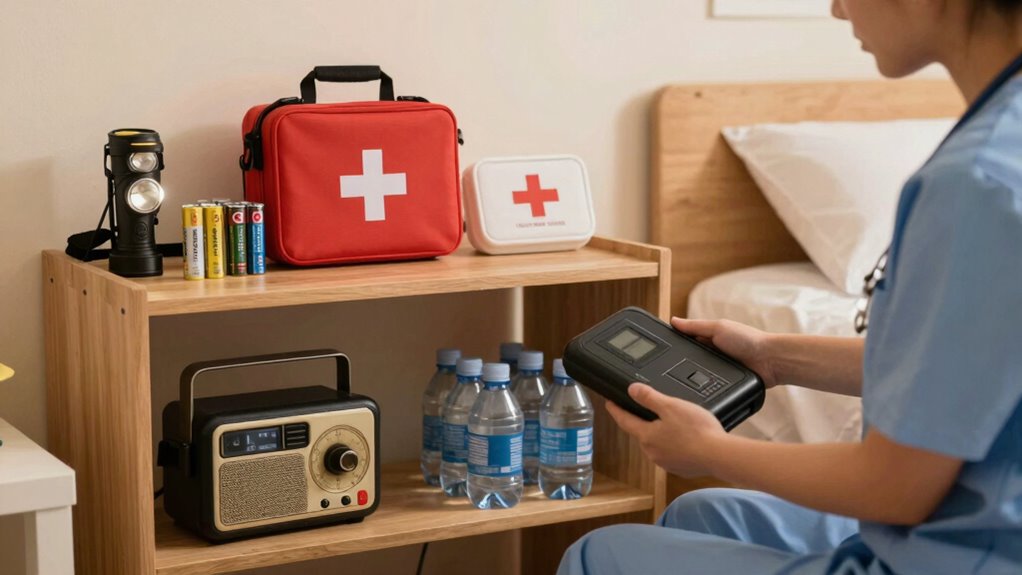

To prepare for power outages in your caregiving home, you should stock reliable backup power sources like generators and portable battery stations, and verify all emergency communication devices are functional and accessible. Train your staff to operate these systems and conduct regular drills. Keep supplies such as flashlights, batteries, and candles ready, and develop clear emergency plans that include evacuation procedures. By staying organized and proactive, you can better protect your residents and staff—more helpful tips await if you continue.

Get health and wellness essentials delivered free — and shop member deals
- Fast, free delivery on millions of items
- Access to Prime Big Deal Days deals on October 6–7
- Prime Video, Amazon Music and more included
Key Takeaways
- Equip the home with backup power sources like generators and portable batteries for critical equipment and lighting.
- Maintain a stockpile of essential supplies, including batteries, flashlights, and non-perishable food.
- Develop and regularly update a comprehensive emergency plan outlining response steps and evacuation procedures.
- Train staff and residents on emergency protocols, including device operation and assistance during outages.
- Keep communication devices accessible and establish reliable contact channels with emergency services and families.
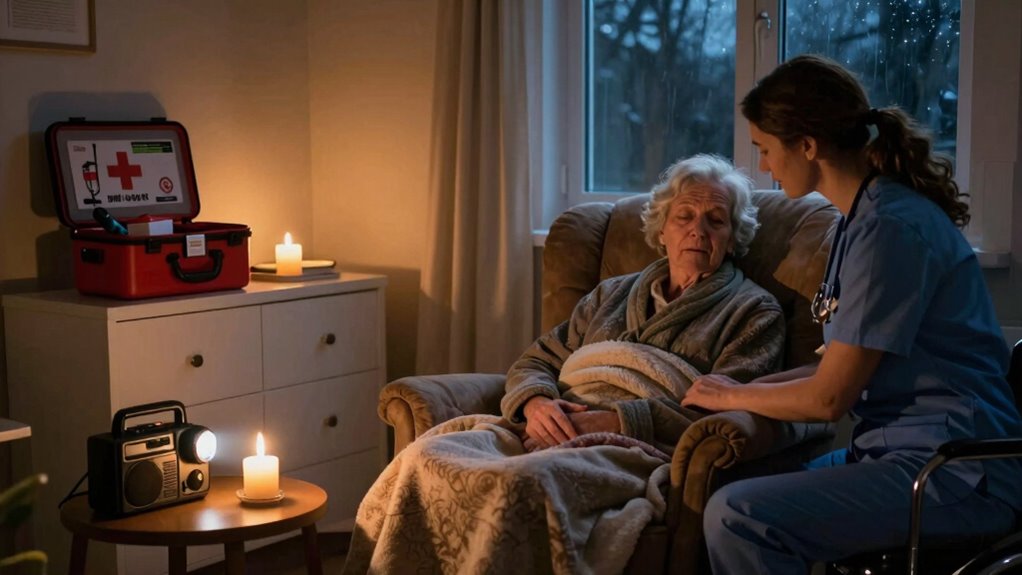
Power outages can strike unexpectedly, leaving caregiving homes vulnerable to disruptions that threaten the safety and well-being of residents. When the power goes out, it’s vital to have a solid plan in place to guarantee that residents remain safe, comfortable, and cared for. The first step is establishing reliable emergency communication. You need a way to stay connected with emergency services, staff, and residents’ families. This might mean investing in battery-powered radios, cell phones with backup power, or satellite phones, especially if traditional landlines or internet connections are interrupted. Make certain everyone on your team knows how to use these devices and that they’re easily accessible at all times.
Equally important is having alternative power sources to keep essential systems running. Backup generators are a wise investment—they can power lighting, medical equipment, and communication devices during an outage. Regular maintenance and testing of these generators guarantee they’ll work when you need them most. If a generator isn’t feasible, consider portable power stations or uninterruptible power supplies (UPS) for critical equipment such as ventilators, medication refrigeration units, or communication devices. These backup options can buy you precious time and help maintain a safe environment for residents. Incorporating reliable emergency power solutions can ensure continuity of care during prolonged outages. Additionally, understanding the importance of preparedness can significantly improve response times and reduce risks during power failures. Being familiar with your emergency procedures allows staff to act confidently and efficiently when time is critical.
Planning for power outages also involves preemptively stocking supplies. Keep flashlights, batteries, and candles handy, and make sure they are in working order. It’s wise to have enough supplies to last several days, as outages can sometimes extend beyond initial expectations. Additionally, prepare a clear, written plan that details steps to take during an outage, including evacuation procedures if necessary, and communicate this plan regularly with staff and residents.
Staff training is essential. Everyone should know how to activate backup power sources, operate emergency communication devices, and assist residents with special needs. Conduct drills periodically to ensure preparedness, so that when an actual outage occurs, everyone responds swiftly and efficiently. Also, keeping a comprehensive emergency plan and a list of local resources and contacts, such as emergency facilities, utility companies, and medical services, can streamline your response. Incorporating full audit trails of your emergency procedures can also help identify areas for improvement and ensure accountability during crises. Regularly reviewing and updating these plans ensures they remain effective and aligned with the latest safety standards.
portable battery station for emergency power
As an affiliate, we earn on qualifying purchases.
As an affiliate, we earn on qualifying purchases.
Frequently Asked Questions
How Can I Ensure Medication Safety During Power Outages?
You can guarantee medication safety during power outages by keeping an emergency kit with a thermometer and backup batteries. Store essential medications in a cool, insulated container away from heat and direct sunlight. Regularly check medication expiration dates and consider a portable cooler for temperature-sensitive drugs. Keep a list of your medications and their dosages accessible, and make sure you have a plan to refill or replace medications promptly if needed.
What Alternative Communication Methods Should I Have Ready?
Imagine you’re a lighthouse keeper, guiding your family safely through a storm. Keep emergency communication devices like a battery-powered radio, cell phone, and backup chargers ready. Have a printed list of emergency contacts and family coordination plans accessible. This way, even if the power flickers out, you can stay connected, coordinate with loved ones, and navigate the storm together confidently. Preparedness keeps your family anchored and informed.
How Do I Handle Medical Devices That Require Power?
When handling medical devices that need power, you should include backup options in your emergency kit, like battery packs or portable generators. Practice power management by charging devices fully before anticipated outages. Keep spare batteries on hand and know how to switch to manual operation if possible. Regularly test your backup systems to guarantee they’re working, and consult device manuals for specific power outage instructions.
What Are Quick DIY Solutions for Temporary Power Backup?
Think of your home as a ship steering through stormy waters; quick DIY solutions can serve as your lifeboats. Use a portable generator, but remember, regular generator maintenance guarantees it’s ready when needed. Also, stock up on charged batteries and consider battery storage options for immediate power. These simple steps give you a temporary power backup, helping you keep essential medical devices running smoothly during outages.
How Can I Prepare Pets for a Power Outage?
To prepare your pets for a power outage, prioritize pet safety by creating a plan that includes emergency supplies like extra food, water, and any necessary medications. Keep a flashlight and a portable charger nearby for quick access. Make certain your pets have a comfortable, secure space and familiarize them with it beforehand. Regularly check your emergency supplies to guarantee they’re stocked and ready, so you’re prepared to keep your pets safe during outages.
backup generator for caregiving home
As an affiliate, we earn on qualifying purchases.
As an affiliate, we earn on qualifying purchases.
Conclusion
Preparing for power outages guarantees your caregiving home remains a sanctuary even when the lights go out. By planning ahead, stocking essentials, and having a backup power source, you’re building a safety net that can catch you when storms roll in. Think of it as tending a delicate garden—each small effort helps your home weather any storm. With these steps, you turn potential chaos into calm, keeping your loved ones safe and secure, no matter what.
emergency LED flashlight with batteries
As an affiliate, we earn on qualifying purchases.
As an affiliate, we earn on qualifying purchases.
uninterruptible power supply for medical equipment
As an affiliate, we earn on qualifying purchases.
As an affiliate, we earn on qualifying purchases.
Fall Picks
fall essentials
As an affiliate, we earn on qualifying purchases.