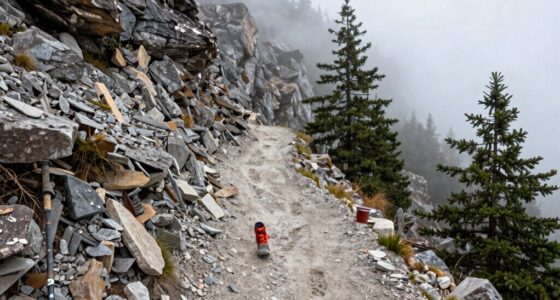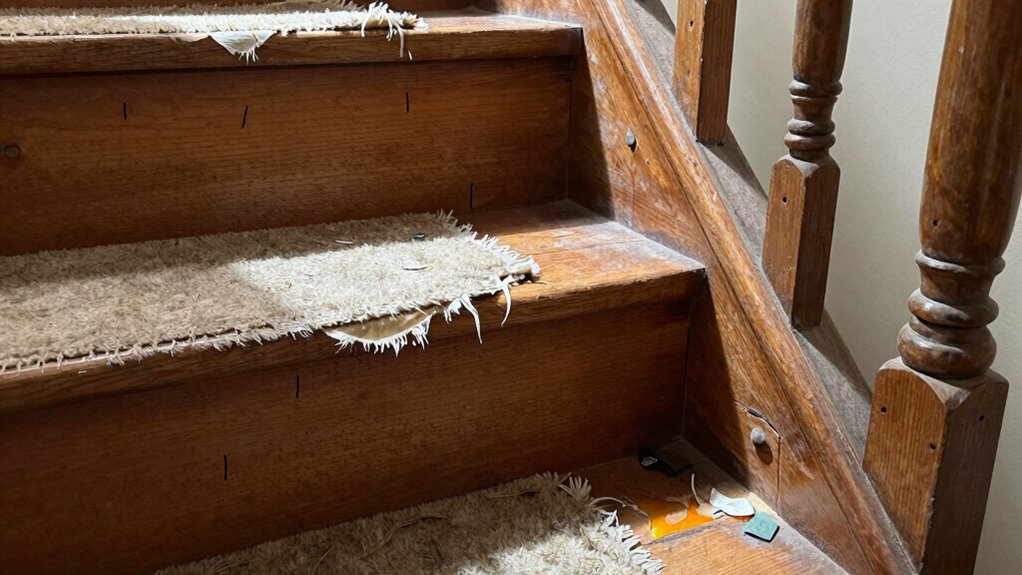

Many fall risks hide in plain sight, often overlooked because they seem small or normal. Worn-out shoes, slippery soles, or high heels can make you unstable without you noticing. Poor lighting, shadows, and clutter block your view of hazards like uneven floors or obstacles. Regularly inspecting your footwear and keeping your environment well-lit and clutter-free can help you stay safe. Keep going to uncover more hidden dangers that could catch you off guard.

Get health and wellness essentials delivered free — and shop member deals
- Fast, free delivery on millions of items
- Access to Prime Big Deal Days deals on October 6–7
- Prime Video, Amazon Music and more included
Key Takeaways
- Hazardous footwear with worn soles or unstable heels often go unnoticed but significantly increase fall risk.
- Poor lighting conditions, especially in stairwells and outdoor areas, obscure hazards and contribute to falls.
- Clutter and obstacles on pathways are easily overlooked in low light, elevating tripping hazards.
- Damaged or uneven flooring may be hidden by shadows or inadequate illumination, increasing unseen risks.
- Small, overlooked environmental hazards like slick surfaces or loose rugs can cause falls if not regularly inspected.

Falls often occur in unexpected ways, even when you least suspect them. One of the most common yet overlooked causes is hazardous footwear. You might think your shoes are fine, but worn-out soles, slippery materials, or heels that are unstable can turn everyday steps into dangerous stumbles. If your shoes don’t fit well or lack proper grip, you’re at a higher risk of losing your footing. For example, slick or smooth soles can cause slips on wet or uneven surfaces, and high heels or loose-fitting shoes can destabilize your balance. Many people underestimate the importance of appropriate footwear, but it’s a simple change that can markedly reduce fall risk. Regularly inspecting your shoes for damage or wear and choosing footwear with sturdy soles and good traction should be part of your safety routine. Additionally, selecting the right best anime movies can be a fun way to relax without risking injury from falls.
Poor lighting is another often overlooked hazard that quietly increases your fall risk. When lighting is dim or uneven, your ability to see hazards clearly diminishes. You might not notice a loose rug, a cluttered pathway, or a step that’s slightly higher than the rest. This lack of visibility makes it much easier to trip or stumble unexpectedly. It’s especially dangerous in areas like stairwells, hallways, and outdoor walkways where shadows and darkness can hide potential hazards. You might think a room is well-lit, but small bulbs or outdated fixtures can create shadows that obscure obstacles. Upgrading your lighting, using brighter bulbs, or installing motion sensors can make a noticeable difference. Ensuring all areas you frequently walk through are well-lit helps you see hazards before they cause a fall. Proper lighting is also essential for recognizing hazardous flooring, which can be more difficult to detect in poor illumination. Furthermore, ensuring that pathways are free of clutter and obstacles is crucial for maintaining a safe environment. Regularly checking that your lighting fixtures are functioning properly and replacing dim or broken bulbs can significantly reduce the risk of falls. Additionally, the contrast and color of flooring and surroundings can also influence visibility and safety.
As an affiliate, we earn on qualifying purchases.
Frequently Asked Questions
How Can I Identify Hidden Fall Hazards in My Home?
To identify hidden fall hazards in your home, walk through each room carefully, looking for slip hazards like wet floors or loose rugs. Clear clutter clutter from walkways, stairs, and entryways to prevent tripping. Check for uneven flooring, loose handrails, and inadequate lighting that could cause falls. Regularly inspect your home to spot these risks early, and fix them promptly to keep your environment safe.
Are Certain Age Groups More Vulnerable to Overlooked Fall Risks?
You’re like a lighthouse guiding ships through fog—certain age groups, especially the elderly, are more vulnerable to overlooked fall risks. Their fragile bones and slower reflexes turn small hazards into major threats. Conducting a thorough risk assessment helps you spot these dangers before they strike. Recognizing elderly vulnerability lets you take proactive steps, making your home a safe harbor where falls are less likely to happen and everyone stays secure.
What Everyday Habits Increase Fall Risk Unknowingly?
Your everyday habits can unknowingly increase your fall risk, especially if you neglect footwear safety and balance exercises. Wearing unsupportive shoes or slippery slippers can cause slips, while skipping balance exercises weakens stability. Avoid rushing, cluttered walkways, and poorly lit areas. Incorporate regular balance exercises into your routine to boost stability, and choose footwear that provides proper support. These small changes can markedly reduce your chances of falling.
How Do Lighting Conditions Affect Fall Risk in Familiar Environments?
Lighting conditions directly influence your fall risk, especially in familiar environments. Lighting deficiencies create shadow effects that obscure hazards like uneven floors or clutter, making it harder for you to see obstacles clearly. Poor illumination can cause missteps or trips because your eyes fail to detect dangers in time. Ensuring adequate, well-distributed lighting reduces these risks, helping you navigate safely and avoid falls caused by unseen hazards hidden in shadows.
Can Pets Contribute to Hidden Fall Hazards?
Pets can definitely contribute to hidden fall hazards. Pet hair can make floors slippery, especially when it accumulates on smooth surfaces. Animal clutter like toys, bedding, or water bowls left in walkways increase tripping risks. You might not notice these hazards daily, but they can cause falls, especially in low lighting or when you’re distracted. Regularly cleaning pet hair and organizing pet-related clutter helps reduce these unseen dangers.
As an affiliate, we earn on qualifying purchases.
Conclusion
Just like a wolf lurking behind a bush, these hidden fall risks are quietly waiting for you to overlook them. By staying alert and inspecting your environment regularly, you can spot these dangers before they strike. Remember, falling isn’t always about obvious hazards—sometimes it’s the tiny, overlooked details that cause the most harm. Stay vigilant, take action, and keep your surroundings safe so you can enjoy life’s moments without fear.
As an affiliate, we earn on qualifying purchases.
As an affiliate, we earn on qualifying purchases.
Fall Picks
fall essentials
As an affiliate, we earn on qualifying purchases.