
TL;DR

Get health and wellness essentials delivered free with Prime
- Fast, free delivery on millions of items
- Prime Video, Amazon Music and more included
- Member-only deals all year
R. Eric Thomas’s October 26, 2026, Seniors Guide column responds to a 75-year-old man who says he feels trapped in a 45-year marriage shaped by his wife’s long-term mental health struggles. Thomas urges him to think through practical arrangements and seek professional support rather than treating leaving as a decision he must handle alone.
Advice columnist R. Eric Thomas responded October 26, 2026, to a 75-year-old reader who says he is considering leaving his wife after 45 years of marriage, describing the relationship as codependent and emotionally damaging. Thomas advised him to plan what separation would involve and seek support, rather than treating the choice as a simple matter of packing and leaving.
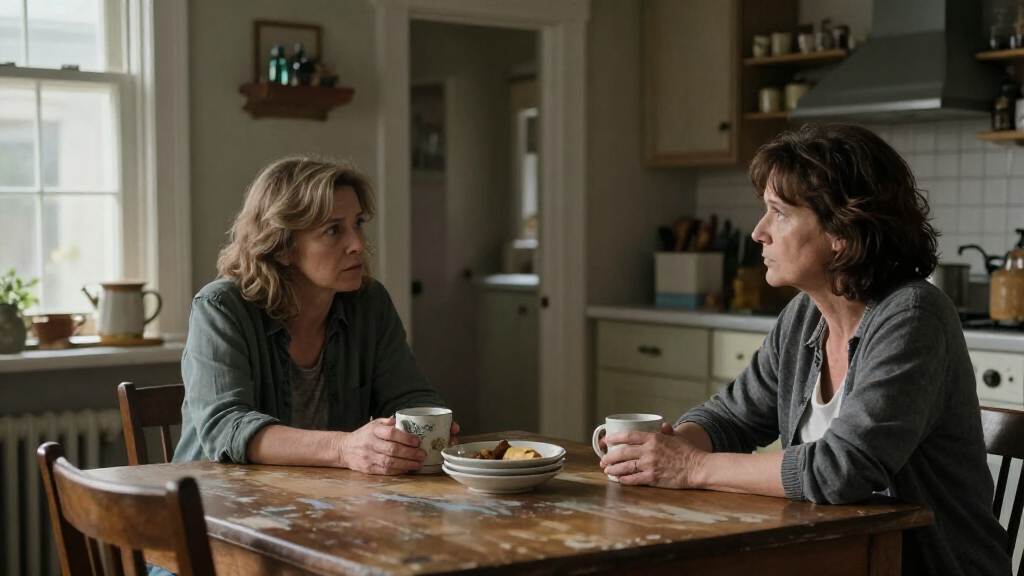
The reader, writing under the name “Self-imprisoned,” said his wife has experienced treatment-resistant depression and/or bipolar disorder and has received different forms of treatment for about 30 years. Those descriptions are the reader’s account; the column does not independently establish a diagnosis or provide details about her treatment.
He said mental health professionals and close friends have told him the relationship is harming his mental health and advised him to leave. He has stayed, he wrote, because of his marriage vows, concern that his wife depends on him, and fear of leaving at age 75 without family to rely on. He described feeling compassion for his wife but not love or respect, and said he hopes to have a healthy relationship before he dies.
Thomas expressed sympathy for both spouses and suggested that prolonged illness and caregiving strain may have changed the marriage. He asked whether the people urging separation had helped the reader work out where he would go and what he would do. Thomas also pointed to the book Codependent No More by Melody Beattie and recommended working with a marriage and family therapist familiar with codependent couples.
Planning Beyond the Decision to Leave
The column addresses a dilemma that goes beyond whether a marriage should continue: how to make a safe, workable plan when one partner feels responsible for the other and fears being alone. The reader describes emotional strain, caregiving responsibilities, limited family support and uncertainty about his future. Thomas’s response focuses on those practical and emotional realities rather than telling him to stay or leave.
For readers in similar situations, the distinction matters. A major change in a long relationship may involve housing, finances, care arrangements and support networks, issues that the letter does not resolve. Thomas’s advice centers on not making the decision in isolation and seeking help to think through possible arrangements for both people.
Products Worth Considering

BowFlex SelectTech 840 Adjustable Kettlebell

Levoit Eleva 300X HEPA Air Purifier

Fitbit Versa 4 Fitness Smartwatch – Black/Graphite
As an affiliate, we earn on qualifying purchases.
A 45-Year Marriage Under Strain
The advice exchange appeared in Seniors Guide under the title “Codependent But Too Old to Leave.” It is a response to one reader’s letter, not a clinical assessment or a report on the couple’s circumstances beyond what the writer shared. The reader said counselors had described the pair as codependent, and he agreed with that characterization.
Thomas is identified by the publication as a national bestselling author, playwright and screenwriter who writes the “Asking Eric” advice column. In this response, he acknowledged the reader’s account of a painful relationship while emphasizing that changing it would require more planning than simply leaving. His proposed next steps include therapy and reading, alongside clarifying where the reader might live and how each spouse’s needs could be addressed.
“I would like to have a healthy relationship before I die.”
— The reader, identified as “Self-imprisoned”
The Couple’s Practical Options
The column does not say whether the reader and his wife have decided to separate, started therapy together or discussed alternative living arrangements. It also provides no information about their finances, housing, access to caregiving support or the wife’s perspective. The reader’s account of her condition and of professional advice is not independently verified in the column.
Thomas raises questions about what leaving would look like but does not give a specific plan or predict the outcome. It remains unclear whether the couple will pursue counseling, separation, or another arrangement, and what support may be available to either of them.
Support Before Any Major Change
Thomas recommends that the reader consider a marriage and family therapist experienced with codependent couples and think through practical arrangements before acting. He also suggests Beattie’s book as a possible resource. The column does not report whether the reader followed either suggestion.
The next steps described in the response are therefore recommendations, not confirmed developments: clarify possible housing and care arrangements, identify people who can offer support, and consider what would work for each spouse. No decision or further update from the reader is included.
Key Questions
What did the reader ask R. Eric Thomas?
He asked how to think about leaving a 45-year marriage at age 75. He said he feels the relationship is damaging his mental health but fears leaving his wife, who he says depends on him.
What did Thomas advise?
Thomas urged him to consider the practical details of a possible separation, including where he would go and what he would do. He suggested a marriage and family therapist familiar with codependent couples and mentioned Codependent No More as a resource.
Has the couple decided to separate?
The column does not say. It describes the reader’s concerns and Thomas’s response, but reports no decision or subsequent action by the couple.
Are the wife’s diagnosis and treatment history independently confirmed?
No. The details about her depression or bipolar disorder and treatment history come from the reader’s letter. The column does not independently verify them or include the wife’s account.
Source: rss