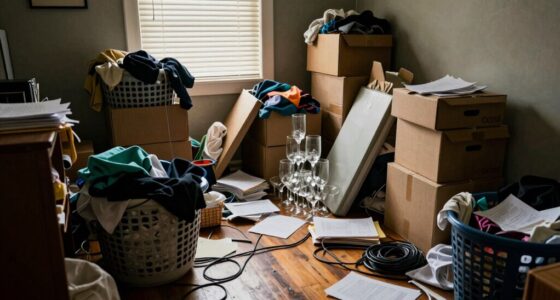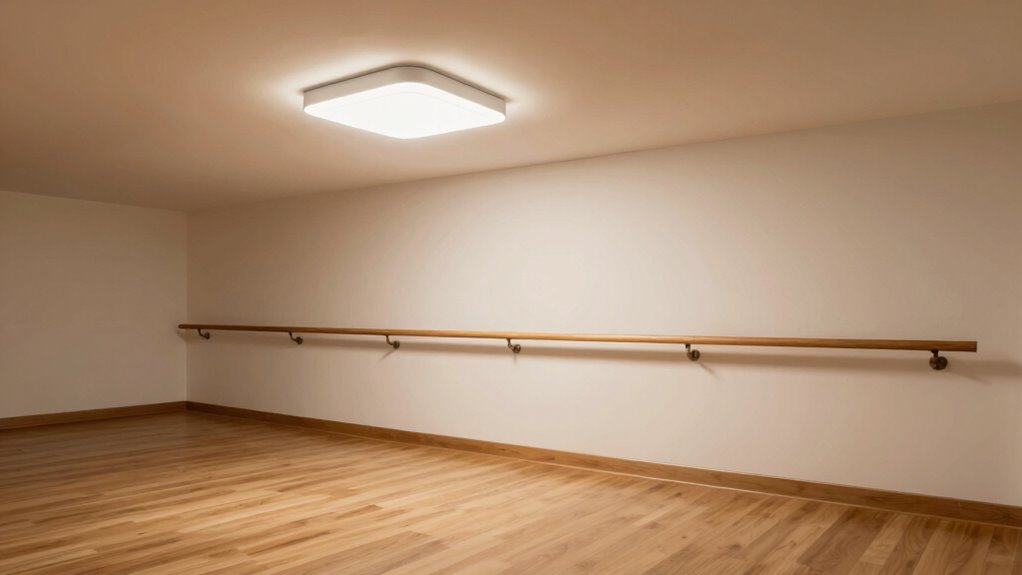

Effective lighting is a key tool in preventing falls because it helps you see hazards clearly and navigate safely. Well-placed, glare-free lights reduce shadows and uneven illumination, making hazards like loose rugs or stairs more visible. Installing motion sensors and layering different types of lighting can improve safety even further. Good lighting boosts your confidence and awareness, lowering your risk of accidents. Keep exploring to discover how to create a safer, well-lit environment that can make a real difference.

Get health and wellness essentials delivered free — and shop member deals
- Fast, free delivery on millions of items
- Access to Prime Big Deal Days deals on October 6–7
- Prime Video, Amazon Music and more included
Key Takeaways
- Proper lighting enhances visibility of hazards, reducing the risk of missteps and falls.
- Glare reduction and high-quality fixtures improve vision clarity and navigation safety.
- Strategic placement and layered lighting ensure critical areas are well-lit and evenly illuminated.
- Motion sensors provide automatic illumination, preventing accidents in dark or transitional spaces.
- Good lighting distribution minimizes shadows and dark spots, increasing hazard detection and fall prevention.
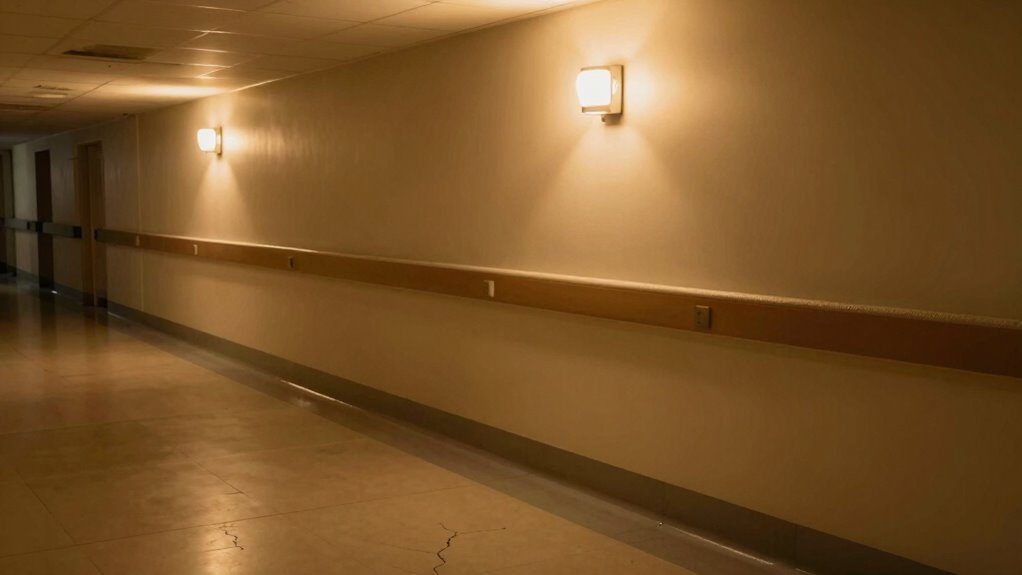
Good lighting can substantially reduce the risk of falls, especially for older adults or those with visual impairments. When your environment is well-lit, it becomes easier to see potential hazards like uneven floors, loose rugs, or cluttered pathways. Proper lighting helps you navigate spaces safely, giving you confidence and preventing missteps. One of the most effective ways to enhance safety is through glare reduction. Bright, harsh lights can cause glare, which makes it difficult to see clearly and can lead to disorientation or missed obstacles. Using fixtures with diffusers or adjustable brightness settings helps minimize glare, guaranteeing your eyes aren’t strained and your vision remains clear. Incorporating appropriate lighting placement ensures that key areas—like staircases, entrances, and walkways—are brightly lit, reducing shadows and uneven illumination. In addition to glare reduction, incorporating motion sensors into your lighting setup offers significant safety benefits. Motion sensors automatically turn lights on when you enter a room or approach a staircase, eliminating the need to fumble for switches in the dark. This immediate illumination reduces hesitation and allows you to see your surroundings clearly at all times. You won’t have to worry about stepping into a poorly lit space, which can cause a stumble or fall. Motion-activated lighting is especially useful in hallways, stairwells, and bathrooms—areas where falls are more likely to occur. It also conserves energy by only lighting up when needed, making it an efficient safety feature. Proper lighting placement is crucial because it helps distribute light evenly across the space, minimizing shadows and dark spots that could pose hazards. Strategically positioned fixtures can eliminate shadows and provide uniform illumination, reducing the chance of missing a step or tripping over unseen objects. Consider using layered lighting, combining ambient, task, and accent lights to create a balanced environment. For example, installing wall-mounted lights along hallways and staircases can improve visibility without creating glare. Dimming options allow you to adjust brightness according to your needs, further enhancing safety and comfort. Additionally, understanding the importance of lighting quality can help you select fixtures that deliver clear, flicker-free illumination, which is vital for safe navigation. High-quality lighting fixtures often feature better color rendering, making it easier to distinguish objects and hazards in your environment. Opting for high-quality lighting fixtures can also extend the lifespan of your bulbs and reduce maintenance. Ultimately, good lighting isn’t just about brightness; it’s about optimizing visibility and reducing hazards. By focusing on glare reduction and including smart features like motion sensors, you create a safer environment that actively prevents falls. These improvements help you move around with confidence, knowing that your surroundings are well-lit and hazards are minimized. Proper lighting becomes an essential part of your fall prevention strategy, giving you peace of mind and supporting your independence.
As an affiliate, we earn on qualifying purchases.
Frequently Asked Questions
How Does Lighting Impact Different Age Groups’ Fall Risks?
Lighting considerably impacts fall risks across age groups by addressing age-related factors like decreased visual acuity. For older adults, poor lighting can make it harder to see hazards, increasing the chance of trips and falls. Younger individuals also benefit from well-lit environments, as clear visibility reduces accidents. Proper lighting enhances overall safety by helping everyone identify obstacles quickly, making fall prevention effective regardless of age.
Are There Specific Lighting Designs Recommended for High-Risk Areas?
For high-risk areas, you should incorporate specific lighting designs like emergency illumination, which provides essential light during power outages, and ambient lighting to reduce shadows and glare. These features guarantee safe navigation during emergencies and everyday use. Ideal placement of emergency lights along pathways and stairwells, combined with evenly distributed ambient lighting, minimizes fall risks, especially for vulnerable individuals, enhancing overall safety in these critical zones.
Can Smart Lighting Systems Improve Fall Prevention?
Yes, smart lighting systems can considerably improve fall prevention. You benefit from smart sensors that detect movement and adjust lighting accordingly, ensuring visibility in key areas. Automated controls activate lights instantly when needed, reducing hazards caused by poor lighting. This dynamic approach helps you navigate spaces safely, especially in high-risk zones, by providing consistent, responsive illumination that minimizes fall risks, making your environment safer and more accessible.
What Are the Cost Considerations for Implementing Improved Lighting?
Cost considerations for improved lighting cover installation costs and ongoing expenses. You’ll want to weigh upfront investments against long-term savings from energy efficiency, which reduces utility bills. While modern, smart lighting systems may seem costly initially, they often pay off through lower energy use and maintenance. Planning for these costs helps guarantee your investment enhances safety without breaking the bank, balancing budget with the benefits of better illumination.
How Often Should Lighting Be Inspected and Maintained for Safety?
You should inspect and maintain lighting regularly to guarantee safety. Typically, lighting maintenance and inspection frequency depend on your environment, but it’s advisable to do visual checks monthly and perform thorough inspections quarterly or biannually. Keep an eye out for flickering bulbs, damaged fixtures, or dim lighting, and promptly replace or repair any issues. Consistent inspection frequency helps prevent falls and ensures your lighting system remains effective for fall prevention.
As an affiliate, we earn on qualifying purchases.
Conclusion
By now, you see how essential proper lighting is for fall prevention. Nearly 70% of falls happen in poorly lit areas, highlighting the importance of well-lit pathways and stairs. When you invest in good lighting, you’re not just improving visibility—you’re actively reducing fall risks and protecting your loved ones. So, don’t wait—brighten your home and make safety your priority. A small change like better lighting can make a huge difference in preventing falls.
layered lighting fixtures for safety
As an affiliate, we earn on qualifying purchases.
As an affiliate, we earn on qualifying purchases.
adjustable brightness wall sconces
As an affiliate, we earn on qualifying purchases.
As an affiliate, we earn on qualifying purchases.
Fall Picks
fall essentials
As an affiliate, we earn on qualifying purchases.