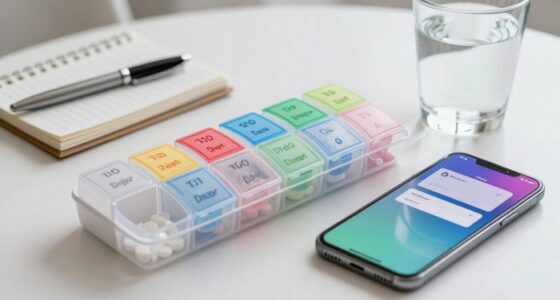

When talking to your pharmacist about side effects and interactions, ask which side effects are common and which require immediate medical help. Inquire how your personal health conditions or other medications might influence side effects. Don’t forget to ask about food, supplements, or drinks to avoid while taking the medication. Also, discuss how long side effects might last and what steps to take if they occur. Keep these questions in mind to guarantee safe, effective medication use—you’ll discover more tips to protect your health.

Get health and wellness essentials delivered free — and shop member deals
- Fast, free delivery on millions of items
- Access to Prime Big Deal Days deals on October 6–7
- Prime Video, Amazon Music and more included
Key Takeaways
- Ask which side effects are common and which require immediate medical attention.
- Inquire about potential interactions with your current medications, supplements, and foods.
- Clarify how underlying health conditions might influence side effect severity.
- Find out how long side effects typically last and when to seek further help.
- Discuss tips for managing side effects and ensuring safe medication adherence.
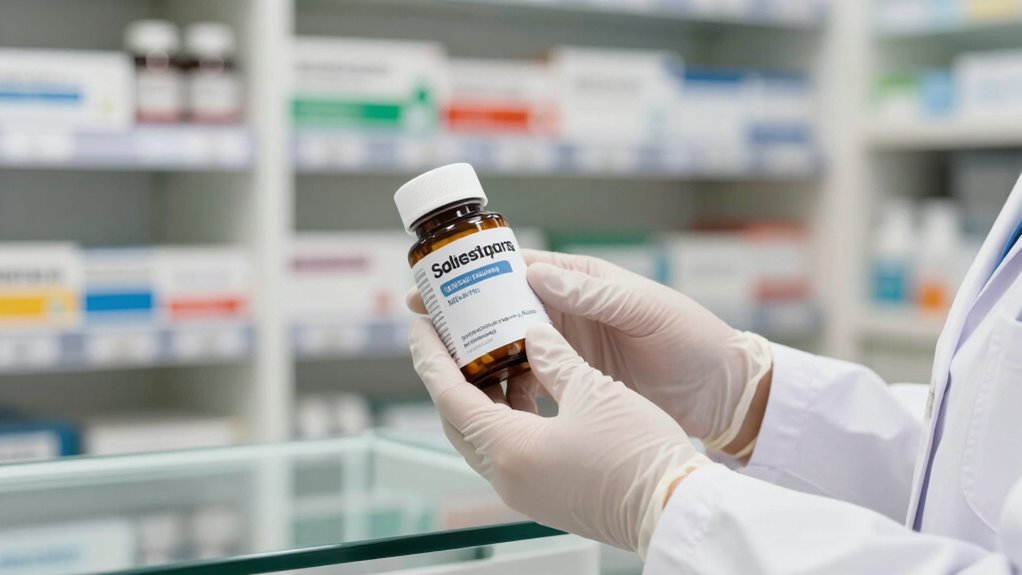
Are you aware of the questions you should ask your pharmacist about potential side effects and interactions before starting a new medication? Knowing what to ask is essential for ensuring medication safety and making the most of your patient counseling sessions. Pharmacists are a valuable resource when it comes to understanding how a medication might affect you, so don’t hesitate to engage actively during your consultation. Asking the right questions helps you grasp how your medication works, what side effects to watch for, and how it might interact with other drugs or foods you’re consuming.
Start by inquiring about common side effects. Ask your pharmacist which side effects are typical and which ones require urgent medical attention. This knowledge prepares you to recognize adverse reactions early, so you can seek help promptly. It also empowers you to weigh the benefits of your medication against potential risks. Be specific—if you’re taking other medications or have underlying health conditions, ask how these might influence the side effects you might experience. This is a key part of patient counseling, aimed at tailoring advice to your personal health profile.
Ask about typical side effects and urgent warning signs to recognize adverse reactions early and tailor advice to your health.
Next, discuss potential interactions with other drugs, supplements, or even certain foods. Pharmacists can tell you if your current medications might interact with the new prescription, reducing effectiveness or increasing side effect severity. For example, some medications, including those related to piercing care and hygiene, can have interactions that affect healing or increase irritation. Clarify whether you need to avoid alcohol or specific dietary items while on your medication. Understanding these interactions helps you avoid unintended complications, reinforcing medication safety. Additionally, being aware of drug interactions can help you better understand how your medications work together or against each other. It’s also helpful to ask about the medication’s mechanism of action so you understand how it’s intended to work in your body. Furthermore, pharmacists can explain how emerging trends in digital health might influence your medication management and safety.
Don’t forget to ask about the duration and severity of possible side effects. Find out which symptoms are temporary and which might persist or worsen over time. Knowing this helps you decide whether to continue the medication or consult your healthcare provider. Also, ask about what to do if you experience side effects—should you stop the medication immediately or contact your doctor? Clear guidance from your pharmacist ensures you’re prepared to handle any issues responsibly. Additionally, understanding the importance of trusted resources can help you verify information and seek additional guidance if needed.
Finally, take advantage of patient counseling to discuss any concerns or questions you might have about your medication regimen. Pharmacists can provide tips on managing side effects, proper medication storage, and adherence strategies. By actively engaging in this conversation, you enhance medication safety and ensure you’re fully informed, making your treatment as effective and safe as possible. Remember, asking questions is a key part of responsible medication use, and your pharmacist’s advice is an essential component of your health care.
medication side effect management kit
As an affiliate, we earn on qualifying purchases.
As an affiliate, we earn on qualifying purchases.
Frequently Asked Questions
Can Herbal Supplements Interact With My Medication?
Yes, herbal supplements can interact with your medication through herbal interactions, potentially affecting how your drugs work or causing side effects. It’s important to discuss supplement safety with your pharmacist, especially if you’re taking prescription meds. They can help identify possible interactions and advise you on safe supplement use, ensuring you avoid adverse effects and get the benefits without risking your health.
How Do I Identify Serious Side Effects Early?
Imagine your body as a bustling city—serious side effects are like sudden fires or explosions. To spot them early, pay close attention to symptom recognition: severe rash, swelling, difficulty breathing, or chest pain are emergency signs that demand immediate medical help. Trust your instincts; if something feels drastically wrong, don’t delay—seek emergency care right away. Quick action can save lives and prevent complications from worsening.
Are There Lifestyle Changes to Reduce Side Effects?
You can reduce side effects by making simple lifestyle changes. Consider diet adjustments to support your medication’s effectiveness and minimize adverse reactions. Incorporate stress management techniques like meditation or deep breathing to help your body cope better. Staying well-hydrated and maintaining a balanced diet can also lessen side effects. Always discuss these changes with your pharmacist to guarantee they complement your treatment plan and don’t interfere with your medication.
Should I Report Mild Side Effects to My Doctor?
Yes, you should report even mild side effects to your doctor. Reporting procedures help your healthcare provider understand your reaction and determine if adjustments are needed. While you can manage mild symptoms with over-the-counter remedies or lifestyle changes, don’t ignore persistent or worsening symptoms. Always keep your doctor informed to guarantee safe medication use and to get personalized advice. Your health and safety come first.
How Do Medication Interactions Affect Elderly Patients?
Medication interactions can be a whirlwind for elderly patients, impacting their health considerably. You should know that aging slows down metabolism, making interactions more potent and risky. These interactions might cause severe side effects or reduce medication effectiveness, threatening your safety. It’s vital to discuss all your medications with your pharmacist to guarantee proper medication adherence and minimize interactions. Staying vigilant helps you stay healthier and safer at any age.
As an affiliate, we earn on qualifying purchases.
Conclusion
Remember, your pharmacist is your compass in the maze of medications. Don’t hesitate to ask questions about side effects or interactions; they’re your trusted guides through the fog. Think of your medication journey as a dance—knowing the steps keeps you in rhythm and safe. Stay curious, stay informed, and let your questions be the flashlight that lights your path to health and peace of mind. Your well-being depends on the knowledge you gather—so speak up and stay vigilant.
medication reminder pill organizer
As an affiliate, we earn on qualifying purchases.
As an affiliate, we earn on qualifying purchases.
As an affiliate, we earn on qualifying purchases.
Fall Picks
fall essentials
As an affiliate, we earn on qualifying purchases.