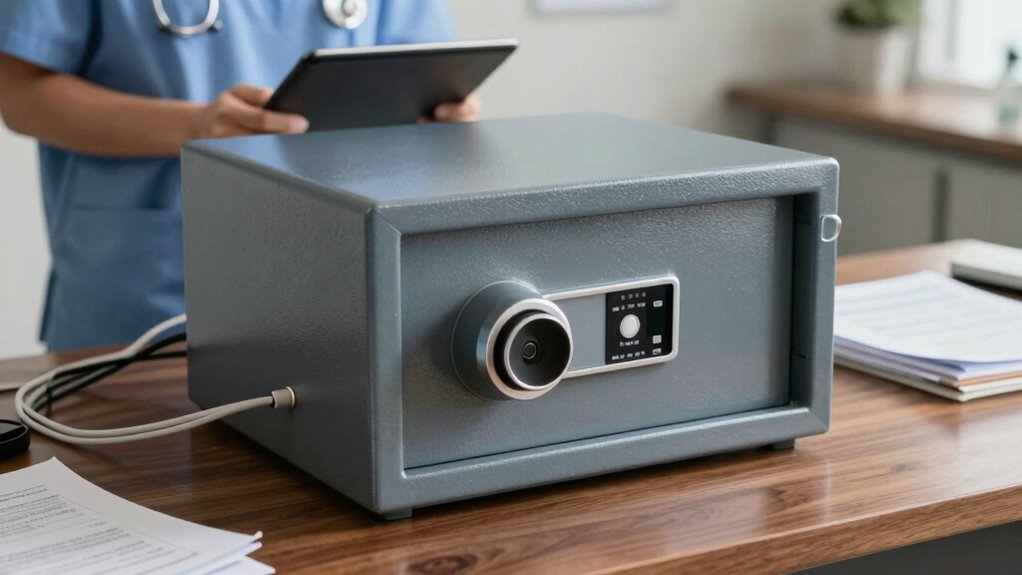

As healthcare becomes more complex, securing storage of sensitive data becomes even more critical to protect patient privacy, guarantee compliance, and maintain trust. You need to safeguard expanding electronic health records, telemedicine data, and remote monitoring info from cyber threats like theft or ransomware. Proper security measures help prevent costly fines and data breaches. When you understand how layered safeguards and compliance standards work together, you’ll see why strong storage security is essential for advanced healthcare settings.

Get health and wellness essentials delivered free with Prime
- Fast, free delivery on millions of items
- Prime Video, Amazon Music and more included
- Member-only deals all year
Key Takeaways
- Increased data volume and complexity require robust security to prevent breaches and ensure data integrity.
- Complex care involves diverse systems and devices that need consistent, secure storage solutions.
- Protecting sensitive patient information becomes more challenging as data types and sources expand.
- Regulatory compliance (e.g., HIPAA) demands stronger security measures for complex healthcare data.
- Secure storage supports seamless, authorized access across multiple platforms and care settings.
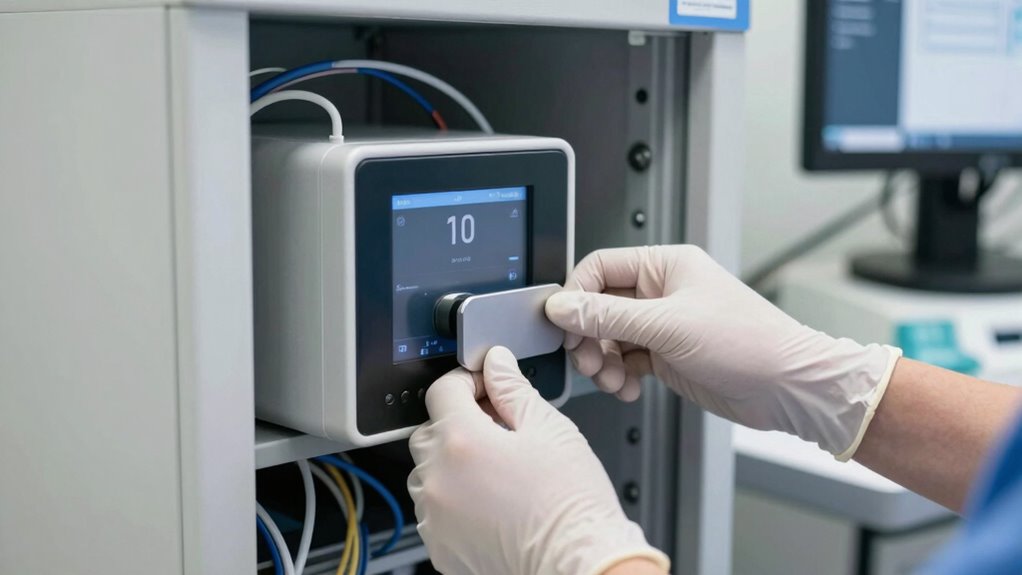
As healthcare becomes more intricate, securing sensitive information and medical supplies becomes increasingly critical. That’s where robust security measures, like data encryption and access controls, come into play. Data encryption guarantees that even if someone intercepts your data, it remains unreadable without the proper decryption key. This means patient records, treatment plans, and financial information stay protected, no matter where they’re stored or how they’re transmitted. As your data grows larger and more complex, encryption becomes an indispensable line of defense against cyber threats. Implementing layered security measures is essential to address the evolving landscape of healthcare vulnerabilities.
Securing healthcare data is vital as operations grow complex and cyber threats increase.
Access controls are equally indispensable in a complex healthcare environment. They give you the ability to restrict who can view, modify, or share sensitive information or medical supplies. With proper access controls, you can set permissions based on roles—allowing doctors to access certain records, while limiting administrative staff to only their necessary functions. This layered approach reduces the chance of accidental leaks or malicious insider threats. As your organization expands, so does the number of potential vulnerabilities. Implementing strict access controls helps create a secure environment where only authorized personnel can reach critical resources.
The combination of data encryption and access controls creates a thorough security strategy. Encryption protects data at rest and in transit, preventing unauthorized reading, while access controls ensure only the right people can even attempt to access the encrypted data. Without these measures, sensitive information becomes vulnerable to theft, ransomware attacks, or regulatory fines. The complexity of healthcare data—ranging from electronic health records to medication inventories—demands an integrated security approach to safeguard all aspects of digital information. You need layered safeguards that evolve with your organization’s needs. Additionally, understanding cable safety principles, such as managing heat buildup and avoiding toxic fumes, is vital when implementing physical infrastructure to support these digital systems securely. This is especially important as digital infrastructure becomes more widespread and integral to everyday healthcare operations.
Moreover, as care delivery becomes more digital—incorporating telemedicine, remote monitoring, and cloud storage—the importance of secure storage skyrockets. Data encryption and access controls help you meet compliance standards like HIPAA, safeguarding patient privacy and maintaining trust. They also streamline workflows by giving authorized staff quick, secure access to essential information, without risking exposure. Additionally, electric dirt bikes and other advanced technologies exemplify how adopting innovative solutions can enhance operational security and efficiency in modern healthcare environments. Ultimately, in a landscape where errors, breaches, and data mishandling can have serious consequences, investing in secure storage isn’t optional; it’s fundamental. The more complex your care processes, the more essential it becomes to protect your data and supplies with reliable, layered security measures.
enterprise data encryption software
As an affiliate, we earn on qualifying purchases.
As an affiliate, we earn on qualifying purchases.
Frequently Asked Questions
How Does Secure Storage Prevent Data Breaches in Complex Care Settings?
Secure storage prevents data breaches in complex care settings by using data encryption, which protects sensitive information from unauthorized access. You also implement access controls, ensuring only authorized personnel can view or modify data. These measures help you safeguard patient data, maintain compliance, and reduce risks of breaches, especially when managing large volumes of complex information. By actively securing storage, you keep data protected even amid evolving care complexities.
What Are the Top Security Risks in Modern Healthcare Storage Systems?
You face risks like unauthorized access, data breaches, and ransomware attacks in modern healthcare storage systems. To protect sensitive information, you must implement strong data encryption and strict access controls. Data encryption secures data both at rest and in transit, while access controls limit who can view or modify information. Combining these security measures helps you minimize vulnerabilities and guarantee patient data remains confidential and compliant with regulations.
How Can Organizations Ensure Compliance With Privacy Regulations?
You can guarantee compliance with privacy regulations by implementing strong data encryption and strict access controls. Encrypt sensitive patient data both at rest and in transit, making it unreadable without proper keys. Establish role-based access controls to limit data access only to authorized personnel. Regularly audit your systems, update policies, and train staff to stay aware of compliance requirements, reducing risks of breaches and penalties.
What Technologies Enhance Storage Security for Sensitive Health Information?
You can enhance storage security for sensitive health information by implementing robust encryption protocols and strict access controls. Encryption protects data both at rest and in transit, ensuring unauthorized users can’t access it. Access controls restrict data access to authorized personnel only, using multi-factor authentication and role-based permissions. Together, these technologies safeguard patient data, maintain compliance, and reduce the risk of breaches in complex care environments.
How Does Secure Storage Impact Patient Trust and Care Quality?
Secure storage directly impacts patient trust and care quality by safeguarding patient confidentiality and ensuring data transparency. When you prioritize secure storage, patients feel confident that their sensitive information is protected, fostering open communication. This trust encourages honest disclosures, leading to more accurate diagnoses and personalized care. Ultimately, secure storage creates a foundation where patients feel valued and secure, improving overall healthcare outcomes and strengthening the provider-patient relationship.
healthcare data access control systems
As an affiliate, we earn on qualifying purchases.
As an affiliate, we earn on qualifying purchases.
Conclusion
As care becomes more complex, you realize that secure storage isn’t just a fancy feature—it’s your safeguard against chaos. Think of it like locking your treasure chest in a pirate’s tale; without it, your essential information risks falling into the wrong hands. So, don’t be a digital damsel or knight in shining armor—embrace secure storage now. Because in today’s world, the only thing more precious than gold is your privacy, no matter if you’re in a castle or a modern-day keep.
HIPAA compliant secure storage solutions
As an affiliate, we earn on qualifying purchases.
As an affiliate, we earn on qualifying purchases.
medical data backup and recovery devices
As an affiliate, we earn on qualifying purchases.
As an affiliate, we earn on qualifying purchases.
Halloween Picks
halloween
As an affiliate, we earn on qualifying purchases.