
To make a bathroom feel private and respectful during care tasks, use physical barriers like curtains or screens to define space and block views. Speak softly, explain each step, and ask for consent to foster trust. Adjust lighting to enhance comfort and privacy perception, and guarantee the environment is quiet and calm. Cover parts not being worked on and keep doors or barriers closed. If you want more tips on creating a respectful space, keep exploring these strategies.

Get health and wellness essentials delivered free — and shop member deals
- Fast, free delivery on millions of items
- Access to Prime Big Deal Days deals on October 6–7
- Prime Video, Amazon Music and more included
Key Takeaways
- Use physical privacy barriers like curtains or screens to create a secluded space.
- Communicate respectfully, explaining tasks and seeking consent to ensure comfort.
- Maintain proper lighting and a quiet environment to enhance visual comfort and reduce distractions.
- Cover exposed areas with towels or clothing to preserve dignity during care.
- Respect personal space and observe cues to ensure the individual feels safe and respected.

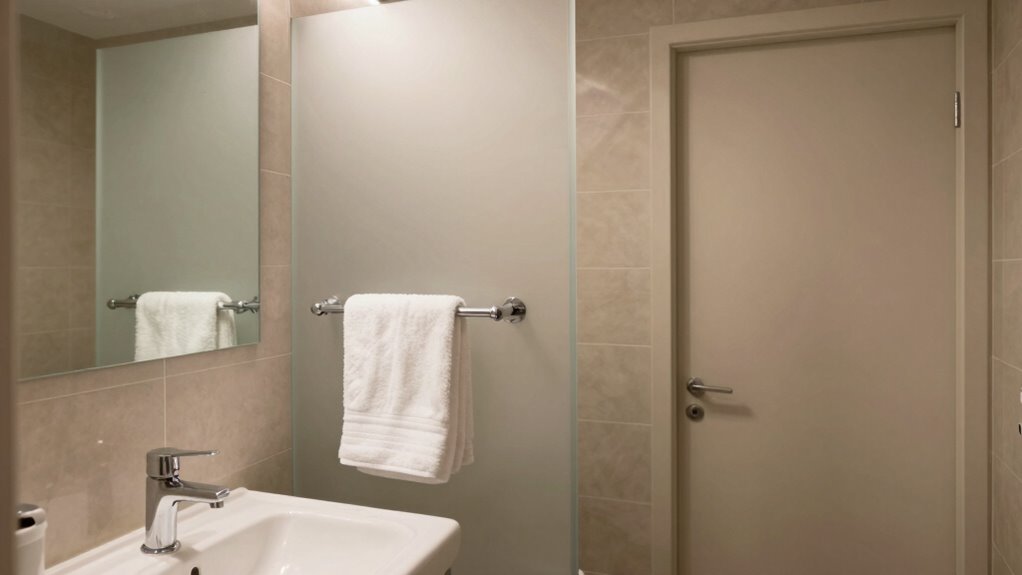
Ensuring privacy during bathroom care tasks is essential for maintaining dignity and comfort, especially for those who may feel vulnerable or embarrassed. When you focus on creating a sense of privacy, you help make the individual feel more at ease and respected. One effective way to do this is by setting up privacy barriers—such as curtains, screens, or closed doors—that clearly define the space and block the view from others. These barriers serve as visual cues that privacy is a priority, letting the person know they’re in a safe, protected environment. It’s important to ensure these barriers are sturdy and properly positioned so there’s no accidental exposure, which can cause discomfort or embarrassment.
Respectful communication plays a crucial role in making the experience feel more private and respectful. As you approach, speak softly and clearly, explaining what you’re about to do and asking for their consent. For example, “I’ll just adjust your clothing now, is that okay?” or “I’m going to help you with your bath.” This kind of respectful dialogue reassures the person that they’re in control of the situation, reducing feelings of vulnerability. Always pay attention to their responses and cues—if they seem uncomfortable or hesitant, pause and check how they’re feeling.
Maintaining eye contact and using a calm, reassuring tone can also help foster trust and comfort. Remember, privacy isn’t just about physical barriers; it’s about creating an atmosphere of respect and understanding. Keep the environment quiet and distraction-free whenever possible, so the person feels less exposed and more secure. Covering parts of the body that are not being worked on with a towel or clothing adds an extra layer of privacy and helps maintain dignity throughout the process. Additionally, understanding the importance of contrast ratio can help in creating an environment where visual clarity and comfort are prioritized, especially if lighting conditions affect how well the barriers and environment feel. Being aware of visual comfort can help you adjust lighting and barriers to enhance privacy.
It is also helpful to be aware of the environmental factors that influence how privacy is perceived, so you can make adjustments to improve the overall experience. Ensuring that the lighting conditions are appropriate can significantly impact how well the individual perceives their privacy and comfort. Paying attention to privacy perception can guide you in making subtle adjustments that promote a sense of security and dignity. Be mindful of their personal space and avoid unnecessary exposure. If you need to step out for a moment, do so discreetly and only after confirming that they’re comfortable with you leaving. Always ensure that the door is closed or the privacy barrier is in place before you begin, and keep it so until the task is complete. By combining physical privacy barriers with respectful communication, you create a caring environment where someone feels safe, respected, and dignified during their care tasks. It’s these small, thoughtful gestures that make a significant difference in how they experience this vulnerable time.
As an affiliate, we earn on qualifying purchases.
Frequently Asked Questions
How Can I Ensure Privacy When Using a Shared Bathroom?
You can guarantee privacy in a shared bathroom by using privacy barriers like curtains or screens, which block views and sound. Pay attention to bathroom acoustics—playing soft music or using white noise can mask sounds, enhancing privacy. Always close the door securely and communicate with others to coordinate bathroom use. These steps help create a respectful environment where you feel comfortable during your care tasks.
What Are Some Tips for Maintaining Privacy With a Caregiver Present?
Imagine you’re with a caregiver and want to maintain privacy. You can use discreet communication, like gentle hand signals, to express discomfort or need a break. Setting clear boundaries beforehand helps both of you understand your limits. For example, calmly stating, “I prefer to handle this part alone,” ensures respect. These strategies make you feel more secure, fostering trust and a sense of dignity during care tasks.
How Do I Communicate Privacy Needs Effectively?
To communicate your privacy needs effectively, use discreet communication to express your boundaries clearly and calmly. Assertively tell your caregiver what feels comfortable or uncomfortable, emphasizing your personal boundary without hesitation. Remember, setting these limits helps maintain your dignity and fosters mutual respect. If needed, remind your caregiver gently but firmly, ensuring your needs are understood and respected during care tasks.
Are There Specific Privacy Solutions for Small Bathrooms?
Your small bathroom doesn’t have to feel like a closet! You can install privacy curtains or soundproof barriers to create a sense of separation during care tasks. Privacy curtains are flexible and easy to set up around fixtures, while soundproof barriers reduce noise, making the space feel more secluded. These solutions maximize privacy without needing extra square footage, ensuring everyone feels respectful and comfortable.
How Can Technology Enhance Bathroom Privacy During Care?
Technology enhances bathroom privacy during care by using smart curtains that automatically close when needed, ensuring immediate visual privacy. Privacy screens can be easily repositioned or extended to create a personal barrier, giving you control over who sees inside. These innovations allow you to maintain dignity and comfort during care tasks, especially in shared or small bathrooms, making the space feel more secure and respectful.
As an affiliate, we earn on qualifying purchases.
Conclusion
So, in your pursuit of bathroom privacy during care, remember that sometimes the biggest respect is simply letting go of control. Ironically, by giving someone space and dignity, you create a sense of safety that no barrier can match. It’s a small act with profound impact—proving that true privacy isn’t about walls, but about trust and kindness. After all, isn’t respecting someone’s vulnerability the ultimate act of care?
As an affiliate, we earn on qualifying purchases.
As an affiliate, we earn on qualifying purchases.
Fall Picks
fall essentials
As an affiliate, we earn on qualifying purchases.