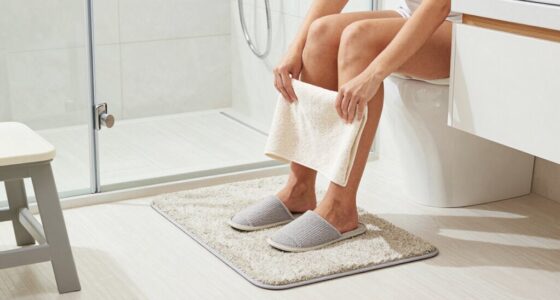

To make hygiene support more comfortable, guarantee private, well-ventilated spaces with doors or curtains, giving individuals control over their personal environment. Be sensitive to cultural differences by offering varied supplies and respecting personal preferences. Keep procedures simple and clear, with easy access to necessary items. Maintain high standards of cleanliness and equipment, and regularly check in for feedback to improve comfort and trust. By focusing on these steps, you’ll create a respectful environment that supports everyone’s dignity and well-being—more tips await you.

Get health and wellness essentials delivered free with Prime
- Fast, free delivery on millions of items
- Prime Video, Amazon Music and more included
- Member-only deals all year
Key Takeaways
- Provide private, well-ventilated spaces with clear signage to ensure comfort and confidentiality.
- Respect cultural preferences by offering diverse supplies and allowing personal choice.
- Use simple, accessible instructions and maintain a non-judgmental, supportive attitude.
- Regularly clean and maintain hygiene facilities to ensure safety and confidence.
- Encourage feedback and adapt procedures to meet individual needs and comfort levels.
Maintaining good hygiene isn’t just about cleanliness; it directly impacts your comfort and confidence throughout the day. When considering hygiene support, it’s essential to recognize that everyone has unique needs rooted in their personal preferences, cultural backgrounds, and privacy concerns. Creating a space that respects these differences helps everyone feel more at ease and fosters a supportive environment.
Good hygiene boosts confidence and comfort, respecting individual needs, cultural backgrounds, and privacy creates a supportive environment for all.
One of the most significant factors in making hygiene routines comfortable is addressing privacy concerns. People want to feel secure and unexposed during personal care tasks. You can promote this by providing private, well-ventilated areas equipped with doors or curtains, ensuring individuals have control over their space. Clear signage and discreet cues can also help reduce feelings of vulnerability. When people know they’re in a confidential, respectful environment, they’re more likely to approach hygiene routines without embarrassment or hesitation.
Cultural sensitivities play a crucial role, too. Hygiene practices vary widely across cultures—what’s considered appropriate or respectful in one might differ in another. To make everyone feel comfortable, it’s vital to educate yourself and staff about these differences. For example, some cultures emphasize specific cleaning methods or use particular products. Offering a variety of supplies or allowing personal choices in hygiene products can go a long way. Additionally, being open-minded and non-judgmental about different customs encourages trust and comfort. When you acknowledge and respect cultural practices, you demonstrate that the environment is inclusive, which reduces discomfort and promotes cooperation.
Beyond privacy and cultural considerations, simplicity and clarity in procedures help everyone feel at ease. Provide straightforward instructions and ensure that the hygiene stations are easy to use. When people understand what they need to do and have access to the necessary supplies, they’re less likely to feel anxious or rushed. Respect individuals’ pace, offering assistance only when asked, and always maintain a non-intrusive attitude. Recognizing the importance of machine quality is essential, as reliable hygiene equipment not only enhances comfort but also ensures safety. A well-maintained environment is crucial because cleanliness directly affects health and comfort, reinforcing the importance of proper equipment upkeep. Ensuring that the environment is hygienic and well-maintained helps prevent the spread of germs and boosts confidence in the hygiene facilities. Additionally, understanding how drone bees contribute to hive stability and pollination can remind us of the importance of maintaining a healthy environment that supports well-being.
Finally, communication is key. Regularly check in with those using the facilities to gather feedback on what might improve their experience. Listening to their concerns about privacy, comfort, or cultural needs allows you to adapt quickly and effectively. Using feedback mechanisms to collect ongoing input can help identify areas for improvement and foster trust. By creating an environment rooted in respect, privacy, and understanding, you make hygiene routines a positive part of daily life rather than a stressful obligation. When everyone feels supported and valued, hygiene support becomes less of a chore and more of a shared comfort.
privacy curtains for hygiene stations
As an affiliate, we earn on qualifying purchases.
As an affiliate, we earn on qualifying purchases.
Frequently Asked Questions
How Can I Address Cultural Differences in Hygiene Support?
You can address cultural differences in hygiene support by practicing cultural awareness and respectful communication. Learn about different customs and preferences related to hygiene, and ask open-ended questions to understand individual needs. Show respect for diverse practices, and adapt your approach accordingly. By being attentive and respectful, you create a supportive environment where everyone feels comfortable sharing their preferences, fostering trust and ensuring effective hygiene support for all.
What Are Signs Someone Is Uncomfortable With Hygiene Assistance?
Just like a fragile glass, discomfort shows in subtle cracks—avoid rushing or invading personal space. You might notice someone pulling away, avoiding eye contact, or showing tense body language. They could also become silent or resistant to assistance. Recognizing these signs helps you provide emotional reassurance and preserve dignity, making them feel safe and respected. Your gentle approach reassures them, transforming a vulnerable moment into one of trust and care.
How Do I Ensure Privacy During Hygiene Support?
You guarantee privacy during hygiene support by respecting personal boundaries and practicing clear consent communication. Find a private, quiet space where the individual feels secure. Use curtains or doors to block visibility, and explain each step before proceeding. Always ask for permission and check in regularly to confirm comfort. Your respectful approach helps build trust, making the experience more comfortable and preserving the person’s dignity remains intact.
What Equipment Improves Comfort During Hygiene Tasks?
Think of equipment as your toolkit for comfort. Using hygiene aids like ergonomic brushes, adjustable shower chairs, and supportive towels can transform hygiene tasks into gentle experiences. Comfort techniques, such as maintaining warm water and soft cloths, also ease discomfort. These tools and methods act like a safety net, making hygiene routines smoother and more pleasant, ensuring everyone feels cared for and respected during the process.
How Can I Support Someone With Sensory Sensitivities?
To support someone with sensory sensitivities, you should identify and minimize their sensory triggers, such as loud noises or strong smells. Use calming techniques like gentle voice, soft lighting, and slow movements to create a soothing environment. Encourage them to communicate their preferences and take breaks if they feel overwhelmed. Your patience and understanding can make hygiene tasks more comfortable, helping them feel safe and supported throughout the process.
adjustable hygiene supplies dispenser
As an affiliate, we earn on qualifying purchases.
As an affiliate, we earn on qualifying purchases.
Conclusion
By weaving kindness and understanding into every gesture, you turn hygiene support into a gentle embrace rather than an intimidating task. Think of it as planting seeds of comfort in a garden of trust, where each act blooms into confidence. When you listen and adapt, you create a safe haven, a calming tide that eases fears and fosters dignity. Together, you transform routines into moments of connection, making comfort blossom where it once felt fragile.
ventilated personal care privacy screen
As an affiliate, we earn on qualifying purchases.
As an affiliate, we earn on qualifying purchases.
discreet hygiene support products
As an affiliate, we earn on qualifying purchases.
As an affiliate, we earn on qualifying purchases.
Halloween Picks
halloween
As an affiliate, we earn on qualifying purchases.