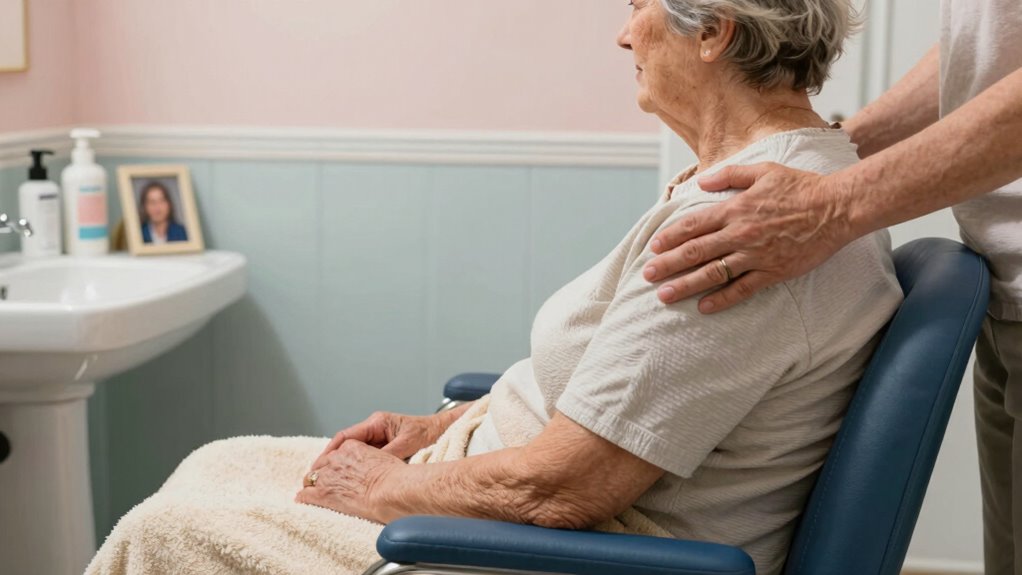

When a loved one resists hygiene help, approach with patience and empathy, creating a safe space where they feel respected and supported. Respect their cultural beliefs and offer support gradually, celebrating small successes along the way. Avoid force or criticism, and focus on building trust through active listening and kindness. If resistance persists, consider seeking guidance from professionals who can provide compassionate strategies. Keep an open mind, and you’ll discover effective ways to improve the situation.

Get health and wellness essentials delivered free with Prime
- Fast, free delivery on millions of items
- Prime Video, Amazon Music and more included
- Member-only deals all year
Key Takeaways
- Create a respectful, non-judgmental environment to foster trust and open communication about hygiene concerns.
- Approach the subject gradually, offering small steps and positive reinforcement to encourage progress.
- Be patient and sensitive to emotional, cultural, or personal reasons for resistance.
- Involve professionals for guidance and support, especially if resistance persists or worsens.
- Focus on emotional support and understanding, prioritizing the loved one’s comfort and autonomy.
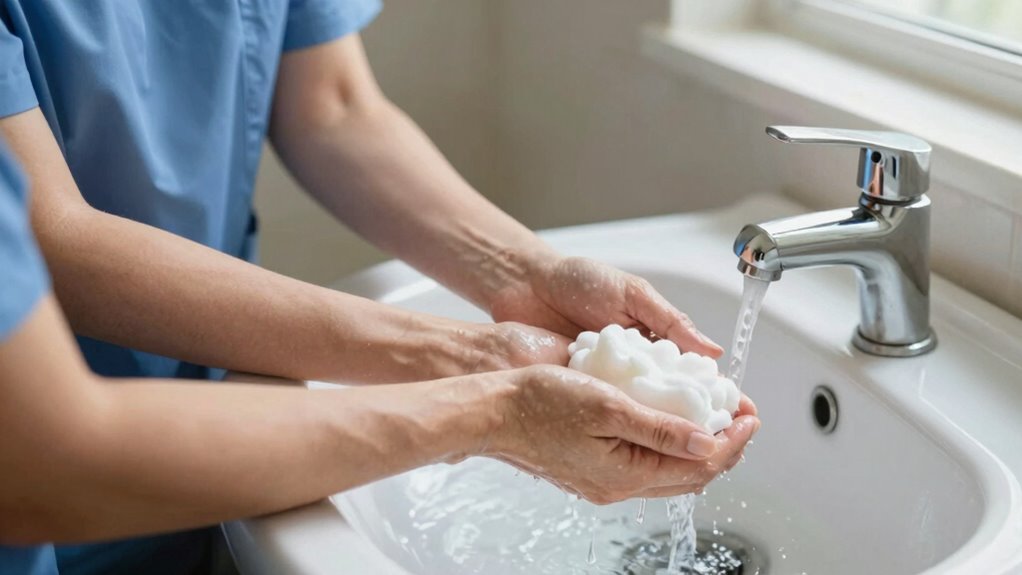
When a loved one resists hygiene help, it can be a distressing and frustrating experience. You may feel overwhelmed, unsure of how to encourage better hygiene without causing conflict or hurting their feelings. It’s important to remember that resistance often stems from deep-seated emotions, fears, or cultural sensitivities. Approaching the situation with patience and understanding can make a significant difference. Recognize that hygiene is a personal issue, and some individuals may feel embarrassed or vulnerable when discussing it. Instead of forcing the issue, try to create a safe space where your loved one feels respected and heard. Offering emotional support is crucial; let them know you’re there for them without judgment. This reassurance can help ease their discomfort and foster trust, making it easier to navigate sensitive conversations about hygiene.
Understanding cultural sensitivities is essential because different backgrounds may influence attitudes toward personal care. Some cultures have specific beliefs or practices related to hygiene that might clash with your approach or expectations. Be open-minded and educate yourself about their cultural norms. This knowledge allows you to approach the topic with respect and avoid unintended offense. For example, if certain grooming practices are sacred or traditional, find ways to incorporate those into your support rather than dismissing them. When discussing hygiene, focus on the individual’s comfort and preferences, and always ask for their input, rather than imposing your ideas. This collaborative approach shows respect for their cultural identity and helps them feel more in control. Recognizing cultural norms can help you tailor your support more effectively. Additionally, understanding personal boundaries is equally important to prevent feelings of intrusion or discomfort during these conversations.
You should also be patient and gentle, recognizing that change takes time. Pushing too hard can lead to resistance or feelings of shame, which only makes the situation more difficult. Instead, offer small, manageable steps toward better hygiene routines. Celebrate any progress, no matter how minor, to boost their confidence and motivation. Remember to keep your tone positive and encouraging, emphasizing that your goal is to support their well-being. If necessary, consider involving professionals like social workers, counselors, or healthcare providers who are trained to handle such sensitive issues. They can offer guidance on respectful and effective ways to promote hygiene without causing distress.
Ultimately, your role is to provide consistent emotional support and understanding. By respecting their cultural sensitivities and fostering an environment of trust and compassion, you increase the chances of your loved one accepting help willingly. Be patient, listen actively, and approach each step with kindness. Your support can make a meaningful difference in helping them feel valued and respected as they navigate their personal care challenges.
As an affiliate, we earn on qualifying purchases.
Frequently Asked Questions
How Can I Tell if Resistance Is Due to Mental Health Issues?
You can tell resistance might be due to mental health issues if you notice emotional resistance paired with mental health indicators like withdrawal, mood swings, or expressions of feeling overwhelmed. Watch for signs that your loved one feels anxious or ashamed about hygiene, or if their resistance seems rooted in fear or confusion. These cues suggest emotional or mental health struggles, prompting gentle support and professional help rather than confrontation.
What Legal Options Exist if My Loved One Refuses Hygiene Care?
You might wonder if legal options exist when your loved one refuses hygiene care. Under elder law, you can explore guardianship or conservatorship if they lack capacity, granting you legal authority to make decisions. Consulting an elder law attorney helps guarantee you understand your legal rights and options. This process involves court approval, but it’s essential for safeguarding your loved one’s health and well-being when they can’t or won’t care for themselves.
How Do I Balance Respect and Safety in Hygiene Assistance?
You should respect your loved one’s personal boundaries while prioritizing safety, balancing cultural sensitivities with care. Use gentle communication, listen to their concerns, and involve them in decision-making to foster trust. Adapt your approach to honor their cultural values, and always explain your intentions clearly. If resistance persists, seek guidance from healthcare professionals or social workers to guarantee safety without compromising dignity.
Are There Specific Signs Indicating Neglect Rather Than Resistance?
Imagine a garden overrun with weeds—that’s what signs of neglect look like in hygiene. You’ll notice persistent bad odor, unwashed hair or clothes, skin infections, or wounds that aren’t healing. Differentiating resistance means understanding if your loved one refuses help due to fear or confusion, versus neglect, where they’re unable or unwilling to maintain basic hygiene. Recognizing these signs helps you respond with compassion and appropriate support.
How Can I Involve Professionals Without Causing Distress?
You can involve professionals gently by prioritizing caregiver communication and offering emotional support first. Talk openly with your loved one, explaining how professionals can help improve their comfort and health without pressure. Introduce the idea gradually, emphasizing that seeking help is a sign of care, not weakness. This approach reduces distress, fosters trust, and makes your loved one more receptive to professional assistance, ensuring they feel supported throughout.
personal hygiene aids for seniors
As an affiliate, we earn on qualifying purchases.
As an affiliate, we earn on qualifying purchases.
Conclusion
Remember, approaching your loved one with patience and understanding is key. Respect their autonomy while gently encouraging good hygiene practices. Did you know that nearly 40% of caregivers report feeling stressed when helping loved ones with personal care? You’re not alone in this, and small, consistent efforts can make a big difference. Keep showing compassion, and over time, your support can help them feel more comfortable and confident in maintaining their hygiene.
cultural sensitivity hygiene products
As an affiliate, we earn on qualifying purchases.
As an affiliate, we earn on qualifying purchases.
gentle skincare products for sensitive skin
As an affiliate, we earn on qualifying purchases.
As an affiliate, we earn on qualifying purchases.
Halloween Picks
halloween
As an affiliate, we earn on qualifying purchases.