
TL;DR
Personal wellness gift sets bundle a few compatible products around a relaxing or restorative routine, such as a quiet evening or a warm bath. Choose for the recipient’s preferences, sensitivities, and daily life; clear labels and useful items matter more than a large box or bold wellness claims.
A box can be full of beautiful things and still miss the person it’s meant for. The best personal wellness gift sets feel less like a pile of products and more like a small invitation: make tea, put your phone away, and take a quiet moment.

Get health and wellness essentials delivered free with Prime
- Fast, free delivery on millions of items
- Prime Video, Amazon Music and more included
- Member-only deals all year
This guide will help you choose a useful theme, match products to someone’s real preferences, and check labels without getting lost in marketing claims. You’ll also find a simple way to build a set yourself, whether you’re shopping for a birthday, a thank-you, or a friend who could use a thoughtful pause.
Build the set around one enjoyable routine, such as a quiet evening or a warm bath.
Choose a few products the recipient can realistically use instead of filling the box for appearance.
Check ingredients, scent, dietary needs, and directions; “natural” alone does not guarantee a good fit.
Avoid supplements and strong health promises when you do not know the recipient’s needs.
Make the gift personal with a known interest and a note that leaves the recipient in control.
What Makes a Wellness Gift Set Feel Thoughtful?
A personal wellness gift set is a small group of products chosen to support an enjoyable routine, such as a quiet evening, a warm bath, or a screen-free break. Its value comes from the fit between the items and the person receiving them, not from how many pieces fill the box. A candle, a favorite tea, and a slim journal can feel more considered than a dozen unrelated samples.
Think of the set as a recipe: each item should belong, and the whole should feel easy to use. For example, if your sister already keeps a notebook by her bed, a soft sleep mask and a nice pen may complement something she does. If you have no idea whether she likes scented products, a fragrance-free hand cream or a puzzle might be a safer bet.
The phrase “intended to support” a wellness routine describes the gift’s purpose without promising a health result. A bath soak can accompany a relaxing bath; it cannot be presented as a treatment for stress or a sleep problem. That small distinction keeps your gift warm and your description honest.
A personal wellness gift also works best when it respects choice. Add a note that says, “I thought you might enjoy a quiet evening,” rather than suggesting the person needs to change their habits. You are offering an option, not assigning homework.
Products Worth Considering

Fitbit Edge Activity Tracker – Silver/Fog – Small & Large Bands

Blueair Blue Pure 211i Max Air Purifier for Large Rooms

Oral-B iO7 Rechargeable Electric Toothbrush, Deep Clean + Protect, White
As an affiliate, we earn on qualifying purchases.
Choose a Theme That Gives Every Item a Job
A clear theme makes a wellness gift set easier to choose, easier to understand, and more likely to get used. A theme is the thread that connects the items: better bath time, a screen-free evening, a gentle morning routine, or a cozy night in. When the products share a purpose, the recipient can see what to do with the set at a glance.
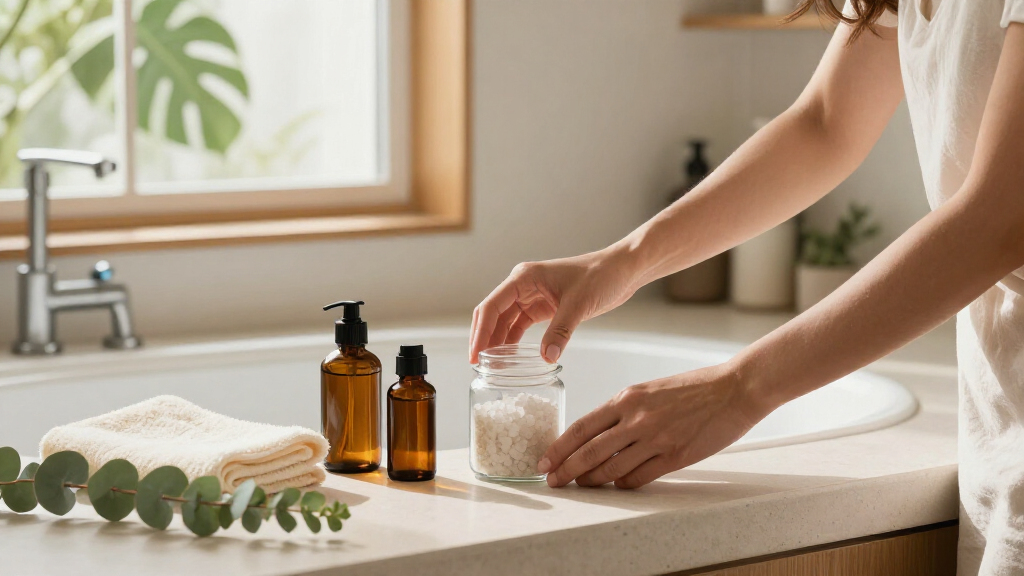
For a quiet evening, you might pair herbal tea, a small journal, and a word-search book. For bath time, choose a soft washcloth, bath salts, and unscented lotion if you know the recipient’s preferences. A skincare theme can be lovely, but it calls for more care because skin sensitivities and routines vary from person to person.
Imagine a friend who has a busy commute and little time for elaborate rituals. A compact tea tin, a sturdy mug, and a short puzzle might suit her better than a basket of bath products she can’t easily store. The theme should fit the recipient’s day, not the version of self-care you see in an advertisement.
For a build-your-own box, write the theme on a small card and use it as a filter: does each item belong, and will this person likely use it? A few well-matched products often make the set feel calmer and more personal than an overflowing box. Coherence beats quantity when the goal is a gift that feels considered.
Use These Five Steps to Pick Products They’ll Enjoy
To choose products for a wellness gift set, start with what you know about the recipient, then build a simple theme around items they can use comfortably. This five-step process helps you avoid a beautiful box that sits untouched in a cupboard. For example, if your coworker enjoys tea and crosswords, those known interests can guide a thoughtful, low-pressure gift.
- Start with a known routine. Pick a hobby or habit you have actually seen: reading before bed, making tea, or taking a long bath.
- Set a budget. A handwritten note and three useful items can make a complete gift; a high price does not guarantee a better fit.
- Check practical needs. Think about scent preferences, skin sensitivities, dietary restrictions, storage space, and time.
- Choose compatible items. Pair products that fit the same moment instead of buying a random assortment.
- Add a personal note. Mention why you chose the theme and give the recipient room to use the items their own way.
This process also helps when you are shopping for someone whose preferences you do not know well. You could choose low-scent or fragrance-free products, skip consumables, and select a journal or soft socks that do not ask the recipient to follow a specific routine. If you are making sets bundle products yourself, check that each item fits the theme and has clear directions.
Keep the note specific but kind: “For your next quiet Sunday morning” feels personal without implying that the recipient is stressed or unwell. The best gift makes the next small moment easier to enjoy.
Check Ingredients and Claims Before You Wrap the Box
Before giving a wellness set, check product labels, ingredients, and directions, especially for skincare, fragrance, tea, and supplements. Words such as “natural” or “organic” do not tell you whether a product will suit a particular person. Someone can react to plant-based fragrance just as they can react to other ingredients, and a label is more useful than a soft-focus promise on the package.
Picture a recipient with sensitive skin opening a scented body butter and essential oil roll-on. They may appreciate the gesture but be unable to use either item. If you are unsure about allergies or scent preferences, choose a fragrance-free option or pivot to a journal, tea accessory, sleep mask, or puzzle.
Consumables need their own check. Tea blends may contain ingredients the recipient avoids, while supplements can interact with medication or be unsuitable for some people. For that reason, avoid giving supplements unless you know they are welcome and appropriate; when you do not know, non-ingestible items make a simpler gift.
Read the product’s intended use and directions, too. A candle should come with sensible use instructions, and skincare should not be described as a cure for a health condition. Describe the experience, not a treatment: say “for a cozy bath” rather than claiming a product relieves a diagnosed problem. For health decisions, a qualified professional is the right person to consult.
Balance Pretty Packaging With Everyday Use
Good presentation makes a gift feel special, while practical choices help the recipient use and enjoy it. A reusable tin, a fabric pouch, or a sturdy basket can make the outside part of the gift instead of disposable clutter. Still, packaging should not take up more room or attention than the products inside.
For example, a modest set of tea, honey, and a handwritten recipe card could arrive in a small reusable box. The recipient gets a clear idea for a slow afternoon and a container they can keep. A towering basket wrapped in layers of plastic might look dramatic in a shop window but be awkward to store at home.
Some shoppers also look for refillable packaging, fewer disposable wraps, and clearer information about product sourcing. These preferences vary, so treat sustainability as a choice to check rather than a claim to assume. If a label says “eco-friendly,” look for specific details about the packaging or materials before repeating the claim.
Presentation can include an experience, too. Add a short recipe for a caffeine-free evening drink, a gentle prompt for a screen-free hour, or a suggested playlist written on a card. Keep the suggestion optional. A gift should offer a pleasant doorway into a routine, not a schedule the recipient has to follow.
Make the Set Personal Without Guessing About Their Health
Personalization works best when it reflects something you know and leaves room for the recipient to choose. A favorite color, a hobby, or a familiar weekend ritual can guide your picks without making assumptions about someone’s health, stress, or lifestyle. That distinction matters because wellness gifts can otherwise sound like a subtle hint that a person needs fixing.
If your friend loves gardening, a small notebook for plant observations, sturdy hand balm if you know it suits them, and a seed packet might feel personal. If your cousin has mentioned enjoying quiet mornings, a mug and loose-leaf tea could make a thoughtful set. In both cases, you are building on a stated interest rather than guessing at a private need.
When you do not know the person’s preferences, choose flexible items and make the gift easy to adapt. A neutral journal, a soft pair of socks, or a gift card to a shop with several product choices can all work. You can also write, “Swap anything that isn’t your style,” which signals that the recipient’s comfort matters more than the exact contents.
Personalization does not require expensive engraving or a long list of custom products. A short note that names a shared memory can carry more meaning than a monogram. Thoughtfulness is attention: show that you noticed what this person likes, then let them decide how to use the gift.
Frequently Asked Questions
What should a personal wellness gift set include?
Choose a few compatible items around a simple theme. A quiet-evening set might pair tea, a journal, and a puzzle; a bath set could include a washcloth and products suited to the recipient’s preferences.
How do I choose a set if I don’t know their preferences?
Choose flexible, low-scent or fragrance-free products, and consider skipping skincare and consumables if you cannot check sensitivities or dietary needs. A journal, puzzle, or gift card gives the recipient more choice.
Are natural products always safer?
No. People can react to natural ingredients, including essential oils and fragrances. Read the ingredients and directions, and choose based on the recipient’s known needs rather than marketing terms.
Should I give someone essential oils or supplements?
Use care: essential oils and fragranced products may irritate some people, and supplements can interact with medication or be unsuitable for some recipients. If you are uncertain, choose a non-ingestible, non-medical item instead.
Can a wellness gift set suit a modest budget?
Yes. A thoughtful note and a few useful products can feel complete at a modest price. A tea sachet, a small notebook, and a favorite snack can be more personal than an expensive assortment the recipient will not use.
Conclusion
Choose a theme the recipient already enjoys, then add a few products they can use comfortably. Check labels, keep health claims out of the note, and let the person decide when the moment is right.
A good wellness gift does not have to change someone’s life. It can simply make one ordinary evening feel softer: a warm mug between both hands, a page turned, and a little breathing room.