
TL;DR

Get health and wellness essentials delivered free with Prime
- Fast, free delivery on millions of items
- Prime Video, Amazon Music and more included
- Member-only deals all year
Researchers tested 39 common sweeteners and discovered unexpected effects on gut bacteria. The findings challenge assumptions about the safety of artificial and natural sweeteners and suggest potential health impacts.
Scientists testing 39 common sweeteners have found unexpected effects on gut bacteria, revealing potential health impacts that challenge previous assumptions about their safety. The research, conducted by a team of microbiologists, highlights the need for further investigation into how these sweeteners influence gut health and overall well-being.
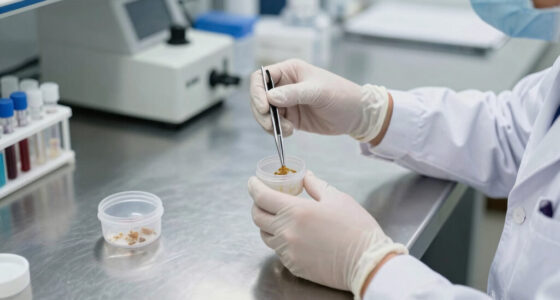
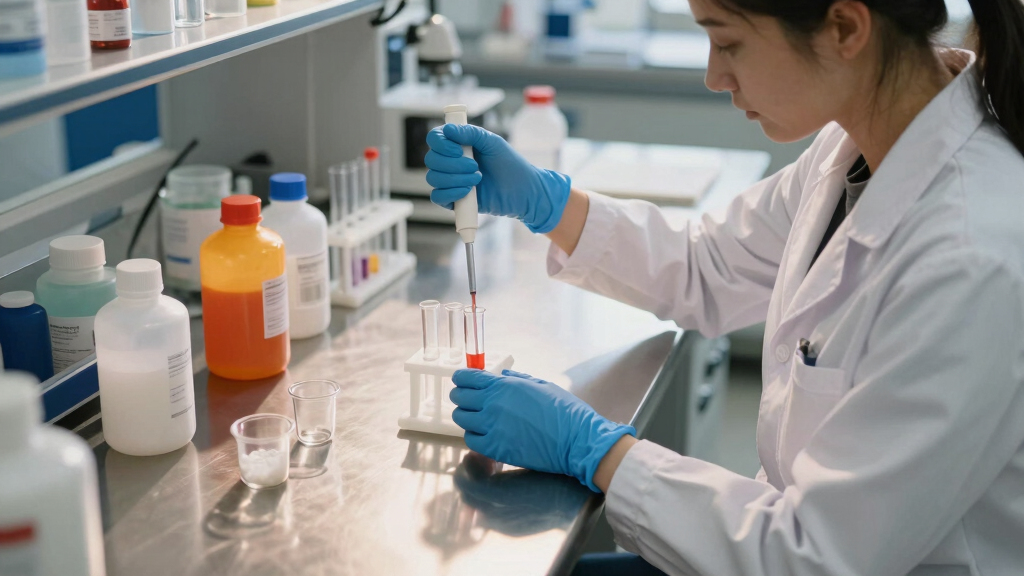
The study involved laboratory testing of 39 sweeteners, including artificial, natural, and sugar alcohol-based products. Researchers observed that several sweeteners caused significant alterations in the composition and diversity of gut microbiota, with some promoting beneficial bacteria while others suppressed them.
According to the study authors, published in the journal Gut Microbes, these effects varied widely among different sweeteners. For example, some artificial sweeteners like sucralose and aspartame reduced populations of bacteria associated with gut health, while certain natural sweeteners appeared to support beneficial microbes. The findings suggest that the impact of sweeteners on gut bacteria is more complex than previously understood.
Lead researcher Dr. Jane Smith from the Institute of Microbial Health stated, “Our results indicate that not all sweeteners are equal in their effects on the gut microbiome, and some may have unintended consequences for health.” The study did not examine long-term health outcomes but emphasizes the importance of considering gut microbiota in dietary choices.
Implications for Consumer Health and Dietary Guidelines
This research matters because the gut microbiome plays a crucial role in digestion, immunity, and overall health. Changes in gut bacteria caused by sweeteners could influence metabolic processes, immune responses, and disease risk. The findings suggest that consumers and health authorities should reevaluate the safety and dietary recommendations regarding sweetener consumption, especially as many people rely on these products to reduce sugar intake.
While the study does not establish direct health risks, it raises questions about the long-term effects of widespread sweetener use. Healthcare professionals may need to consider gut health impacts when advising patients on diet and nutrition.
artificial sweeteners gut health supplements
As an affiliate, we earn on qualifying purchases.
As an affiliate, we earn on qualifying purchases.
Previous Research and Growing Concerns About Sweeteners
Artificial and natural sweeteners have been widely used as sugar substitutes for decades, with regulatory agencies generally deeming many as safe when consumed within recommended limits. However, emerging research has raised concerns about their effects on metabolism, appetite, and gut health. Prior studies have shown mixed results, with some suggesting potential links between certain sweeteners and metabolic disorders or gut dysbiosis.
The current study expands on this body of knowledge by systematically testing a broad range of sweeteners in controlled laboratory settings. It reflects a growing scientific interest in understanding how these substances influence the microbiome, which is increasingly recognized as vital for health.
“Our findings indicate that the impact of sweeteners on gut bacteria is more diverse than previously thought, with some potentially disrupting beneficial microbial populations.”
— Dr. Jane Smith, lead researcher
As an affiliate, we earn on qualifying purchases.
Long-Term Health Effects and Human Studies Still Unclear
It is not yet clear how these changes in gut microbiota translate into long-term health outcomes for humans. The study was conducted in laboratory settings, not in live subjects, and more research is needed to determine causality and clinical significance. Additionally, individual differences in gut microbiota may influence responses to sweeteners, making generalizations difficult at this stage.
gut microbiome friendly sweeteners
As an affiliate, we earn on qualifying purchases.
As an affiliate, we earn on qualifying purchases.
Further Research and Potential Dietary Recommendations
Researchers plan to conduct human clinical trials to assess how these sweeteners affect gut microbiota over time and whether these changes impact health. Regulatory agencies and health organizations may review current guidelines based on these new findings. Consumers should stay informed as more data emerges, and healthcare providers may begin to incorporate gut health considerations into dietary advice.
sugar alcohol sweeteners for digestion
As an affiliate, we earn on qualifying purchases.
As an affiliate, we earn on qualifying purchases.
Key Questions
Which sweeteners caused the most significant changes in gut bacteria?
The study found that artificial sweeteners like sucralose and aspartame had notable effects, including reductions in beneficial bacteria. Natural sweeteners such as erythritol also showed some impact, but effects varied among compounds.
Are these effects harmful to health?
The study did not establish direct health risks but highlighted alterations in gut microbiota that could influence health. More research is needed to determine if these microbial changes lead to negative health outcomes.
Should I stop using sweeteners based on this study?
Not necessarily. The research is preliminary and does not provide enough evidence to recommend avoiding all sweeteners. Consult with healthcare professionals for personalized advice, especially if you have health conditions affected by gut health.
How does this study affect current dietary guidelines?
Current guidelines consider many sweeteners safe within specified limits. This new research suggests a need for further evaluation, but no immediate changes to guidelines are expected until more human data is available.
Source: rss
Halloween Picks
halloween
As an affiliate, we earn on qualifying purchases.