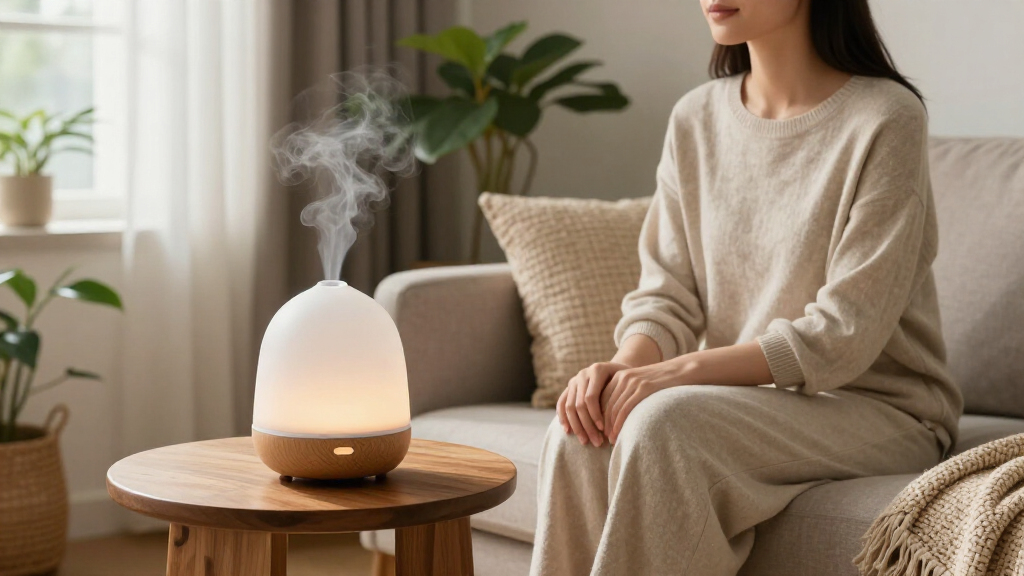

TL;DR

Get health and wellness essentials delivered free with Prime
- Fast, free delivery on millions of items
- Prime Video, Amazon Music and more included
- Member-only deals all year
Aromatherapy diffusers for relaxation disperse scented oils in different ways: ultrasonic models add a light mist, nebulizing models release concentrated aroma without water, and evaporative and heat models use airflow or warmth. Choose a type that suits your room and routine, start with a mild scent and short run time, and clean the device as its maker directs. A diffuser can support a calming atmosphere, but it is not a treatment for anxiety, sleep problems, or other health conditions.
A quiet room can still feel busy when your phone keeps glowing and your mind keeps replaying the day. A soft scent in the background may help make your evening feel different, but a diffuser is a tool for shaping a routine—not a magic switch for stress or sleep.
This guide explains the main diffuser types, how to choose oils and settings, and what to check for safety and cleaning. You’ll also find practical ways to test a diffuser at home, whether you want a gentle bedroom scent or a fresher-feeling corner after work.
Think of relaxation as a set of small signals: lower lights, fewer notifications, a familiar scent, and a few quiet minutes. The diffuser can be one signal among several. Your preferences, health, household, and the manufacturer’s directions should guide how you use it.
Ultrasonic diffusers use water and vibrations to make mist; nebulizers disperse oil without water and can create a stronger aroma.
Start with one familiar oil, the maker’s lowest recommended amount, and a short session in a ventilated room.
Treat a diffuser as a possible support for a calming routine, not as a cure for anxiety or sleep problems.
Check oil safety around pets, children, and anyone with sensitivities; consult a veterinarian or qualified health professional when appropriate.
Empty and clean your diffuser according to its manual, especially when changing scents or storing the device.
Choose a diffuser that fits your room and routine
Aromatherapy diffusers for relaxation release essential-oil aroma into the air, but the way they disperse it affects how noticeable the scent is, how much attention the device needs, and where it may fit best. An ultrasonic unit mixes oil with water and sends out a fine mist; a nebulizer disperses oil without water, while evaporative and heat models rely on airflow or warmth. These differences matter because a strong aroma that works in a large, open room may feel overwhelming beside a bed or in a small, closed space.
For a bedside table, a small ultrasonic diffuser may suit you if you like a soft mist and don’t mind refilling its reservoir. The water dilutes the oil as it disperses, which can make the scent feel gentler, though it does not guarantee a mild result. These types of diffusers also add some moisture, but not enough to replace a dedicated humidifier when dry air is the concern. A nebulizer avoids the water tank and can deliver a more concentrated aroma, so it may need shorter use or a larger, well-ventilated area to keep the scent comfortable.
| Type | How it works | What to expect |
|---|---|---|
| Ultrasonic | Uses ultrasonic vibrations to disperse oil in water | Fine mist; also adds some moisture |
| Nebulizing | Uses pressurized air to atomize oil without water | More concentrated aroma; no water tank |
| Evaporative | Moves air through an oil-treated pad or filter | Simple setup; scent strength can fade as oil evaporates |
| Heat | Warms oil to release aroma | Quiet operation; warmth may affect some oil components |
Evaporative models can be straightforward and avoid a water reservoir, but their scent may weaken as the oil evaporates, and pads or filters may need replacement. Heat models are often quiet, but warmth can change some oil components, so follow the device and oil guidance rather than assuming heated aroma is equivalent to other methods. For example, if you work in a shared living room, a mild ultrasonic mist on a timer may be less intrusive than a concentrated nebulizer running continuously. Compare noise, tank size, cleaning, and controls alongside price: a large tank reduces refills but can mean more water to empty and clean, while extra lights or app controls may be unhelpful if they distract from a dark, restful bedroom.
As an affiliate, we earn on qualifying purchases.
Build a calming scent routine without expecting a cure
Aromatherapy diffusers for relaxation can make a room smell calmer and help mark a shift from work to rest, but scent alone does not treat anxiety or guarantee better sleep. Popular choices include lavender, chamomile, ylang-ylang, bergamot, and sandalwood; people respond differently, and a scent that feels soothing to one person may bother another. Familiarity matters: choosing an aroma you already enjoy makes it easier to notice whether the routine feels pleasant, rather than mistaking a popular recommendation for a personal fit.
Make the routine concrete. At 9 p.m., you might dim the lamps, set your diffuser to a short cycle, put your phone on its charger across the room, and read for ten minutes. Repeating the same sequence can make the transition from work to rest easier to recognize; the aroma is one cue among several, not proof that the oil is changing your stress response. If the scent becomes distracting, the routine can still work with the diffuser off.
Try a simple, cautious process:
- Pick one familiar oil and check its label and the diffuser instructions.
- Begin with the smallest amount the manufacturer recommends.
- Run the unit briefly in a ventilated room, then notice how you feel.
- Stop or air out the room if you notice irritation, headache, nausea, or discomfort.
Starting with one oil makes it easier to tell what you like and to identify a scent that may be causing discomfort. A blend can sound inviting, but several strong scents can quickly become too much and make it harder to work out which one is responsible. For instance, if you like lavender but find it heavy, try a shorter session rather than adding three more oils. Personal comfort matters more than a popular recipe, and you can choose a scent-free wind-down routine instead.
As an affiliate, we earn on qualifying purchases.
Set up your diffuser for a gentler evening
Aromatherapy diffusers for relaxation work best as a small part of a predictable routine, not as an all-night cloud of fragrance. Follow the specific device manual for oil amounts, water level, placement, and run time; models vary, so one universal drop count or duration would be misleading. A short first session lets you judge the scent before it fills the room, and gives you a chance to stop without having to air out a room that has become saturated.
Place the diffuser on a stable, water-resistant surface away from electronics, fabrics, and the edge of a shelf. This reduces the chance that a spill or mist will damage belongings, and helps prevent the unit from being knocked over. If you use an ultrasonic model, fill it only to its marked line and use the water type its maker recommends; overfilling or using the wrong water can interfere with operation. Try the timer or intermittent setting if available. For example, a 20-minute trial in a roomy living area may tell you more than running the device for hours in a closed bedroom, where aroma can build up and linger.
Think of a diffuser setting like seasoning soup: a little can add character, while too much can dominate everything. If the aroma feels sharp or clings to curtains, reduce the oil or shorten the cycle. Open a window or pause use if the room feels stuffy. Ventilation and a modest scent level help keep the experience comfortable for everyone sharing the space; they also make it easier to clear the aroma if someone reacts to it.
Smart features can help, but they do not replace attention. An app schedule may start a diffuser before you get home, yet you still need to check that the unit sits safely and that no one in the household reacts badly. Automation makes a routine convenient, but it also means the device may run when you are not there to notice a problem. A soft LED glow may suit a living room; in a bedroom, switch it off if even a small light distracts you.
pet-safe essential oils for diffuser
As an affiliate, we earn on qualifying purchases.
As an affiliate, we earn on qualifying purchases.
Keep oils and diffusers safer around people and pets
Aromatherapy diffusers for relaxation need extra care around children, pets, and anyone with allergies or breathing sensitivities. Essential oils are concentrated substances, and a scent that seems mild to you may irritate someone else. Diffusion spreads fragrance through a shared space, so people may be exposed even if they did not choose to use the device. Keep bottles and devices out of children’s reach, use a ventilated room, and check with a qualified health professional before using oils if you are pregnant, have a respiratory condition, or have other health concerns.
Do not assume an oil is safe for every animal. Some essential oils can pose risks to pets, and species differ in how they respond; ask a veterinarian before diffusing around an animal, especially in a small room or where the animal cannot leave. The ability to leave matters because it gives an animal a way to avoid the scent, but it does not make an oil automatically safe. For example, if your cat usually naps in your bedroom, don’t run a diffuser there until you have checked whether the specific oil and setup are appropriate. Give household members a way to leave the scented space.
Use the device only as its maker directs, and keep water-based models away from spills and electrical hazards. A diffuser should not replace prescribed care or professional advice. If someone develops coughing, a rash, a headache, or other discomfort during use, stop the device, move to fresh air, and seek appropriate professional guidance if symptoms persist or concern you. Turning it off promptly is more useful than trying to cover the odor with another oil, which could add another potential irritant.
A calming room should feel comfortable to everyone in it. If someone in your household dislikes the scent or feels unwell, turn the diffuser off rather than asking them to tolerate it.
That simple rule prevents a relaxing ritual from becoming a source of friction. You can keep a diffuser in a room used only by consenting adults, or choose non-scented options such as warm lighting and quiet music instead. Those alternatives can preserve the routine without adding fragrance to shared air.
As an affiliate, we earn on qualifying purchases.
Clean your diffuser so yesterday’s scent doesn’t linger
Regular cleaning helps prevent oily residue and stale smells from building up inside a diffuser, and it helps the device work as intended. Residue may affect how the next scent smells or interfere with parts that need to stay clear, so cleaning is both a comfort issue and a basic maintenance step. Follow the manufacturer’s cleaning instructions first, since materials and designs differ. A quick wipe after use is often easier than waiting until a sticky film coats the reservoir.
For a water-based model, unplug it, empty leftover water, and wipe the tank with a soft cloth. Removing standing water also avoids leaving a damp reservoir between sessions. Use only a cleaning solution the manual permits; some makers recommend a small amount of vinegar, while others advise a different method. Never submerge the base or let liquid enter electrical parts. A five-minute wipe after an evening session can save you from scrubbing dried oil later.
Residue can also muddy the next scent. Imagine switching from bright bergamot to gentle chamomile while traces of a woody oil remain in the tank: the result may smell less like either one, making it harder to judge whether you enjoy the new aroma. Clean between scent changes if you want a clearer aroma, and dry the unit before storing it for a while.
Check the intake, pad, or filter on evaporative models and replace parts when the maker says to. These parts influence airflow and scent dispersal, so using them past their recommended life may affect how the device performs. If your diffuser develops an unusual smell, leaks, or stops misting properly, pause use and consult the manual rather than adding more oil. Routine care is unglamorous, but it keeps the small evening ritual pleasant instead of turning your shelf into a sticky, scented science project.
Choose features that make the habit easier to keep
The most useful diffuser is usually the one you can run, clean, and adjust without hassle. Think about room size, noise, run settings, ease of cleaning, and safety features before paying extra for lights or app control. These practical details shape whether you will actually use the device: a model that is difficult to clean or too loud for your evening routine can undermine the habit, however appealing its feature list. A large tank may reduce refills, while a small portable unit may fit better on a crowded desk.
Picture two ordinary evenings. In one, you come home to a living room and want a gentle scent while you cook; a timer and a quiet ultrasonic model may fit, provided the mist and scent do not bother others in the shared space. In the other, you want a diffuser by your reading chair but dislike visible mist; an evaporative design may suit you better, though its scent can fade as the oil evaporates. There is no single “best” type when rooms, routines, and scent tolerance differ, so weigh the tradeoffs you will encounter every day rather than choosing by a general ranking.
Recent models may offer smartphone scheduling, customizable LEDs, quieter ultrasonic operation, or hybrid functions such as humidification. Treat those features as conveniences, not proof of health benefits. A device that claims to purify air, for example, should not replace ventilation or an air cleaner chosen for a specific purpose. Buy for the feature you will actually use, not the longest feature list; an app schedule is of little value if you prefer to control the device in person.
Before choosing, compare the care demands as well as the upfront price. Ask whether replacement pads or parts are available, how often you’ll refill it, and whether the controls are easy to use in dim light. A low purchase price may be less appealing if upkeep is awkward or replacement parts are hard to find. If you’re unsure, start with a basic model and one familiar oil. A modest setup that fits your life beats a clever device that stays boxed up.
Frequently Asked Questions
Which essential oils are commonly used for relaxation?
People often choose lavender, chamomile, ylang-ylang, bergamot, or sandalwood for a calming scent. Preferences vary, so start with one aroma you already like and use the diffuser as its maker directs. If you have a health condition, are pregnant, or have known sensitivities, ask a qualified professional before use.
How long should I run an aromatherapy diffuser?
There is no single run time for every model or room. Follow the manufacturer’s instructions and begin with a short session, such as a brief trial while you are nearby, rather than leaving a diffuser on all night. Turn it off if the scent feels strong or anyone becomes uncomfortable.
Are diffusers safe around cats and dogs?
Some essential oils can be harmful to pets, and safety depends on the animal, oil, concentration, ventilation, and whether the pet can leave the room. Ask your veterinarian about a specific oil before diffusing around your pet. Keep oils and devices out of reach, and stop use if your animal shows signs of distress.
How do I clean an ultrasonic diffuser?
Unplug the unit, empty leftover water, and wipe the reservoir with a soft cloth. Use vinegar or another cleaner only if the manufacturer recommends it, and keep liquid away from the electrical base. Regular cleaning helps limit residue and unwanted carryover between scents.
Can a diffuser help me sleep better?
A calming scent may help some people make bedtime feel more restful, but a diffuser does not guarantee better sleep or treat sleep disorders. You can try a short, mild session as one part of a routine that also includes dim light and a consistent bedtime. Speak with a health professional if sleep problems persist or affect your daily life.
Conclusion
Choose a diffuser for your room, keep the first session short, and let your own comfort—not a promise on a product box—guide the routine. Pair a gentle scent with lower lights or a few pages of a book, and stop if the aroma bothers anyone at home.
A diffuser can be a small, pleasant note in the evening. Keep it that way: simple, clean, and easy to switch off.
Cold & flu season Picks
humidifiers
As an affiliate, we earn on qualifying purchases.