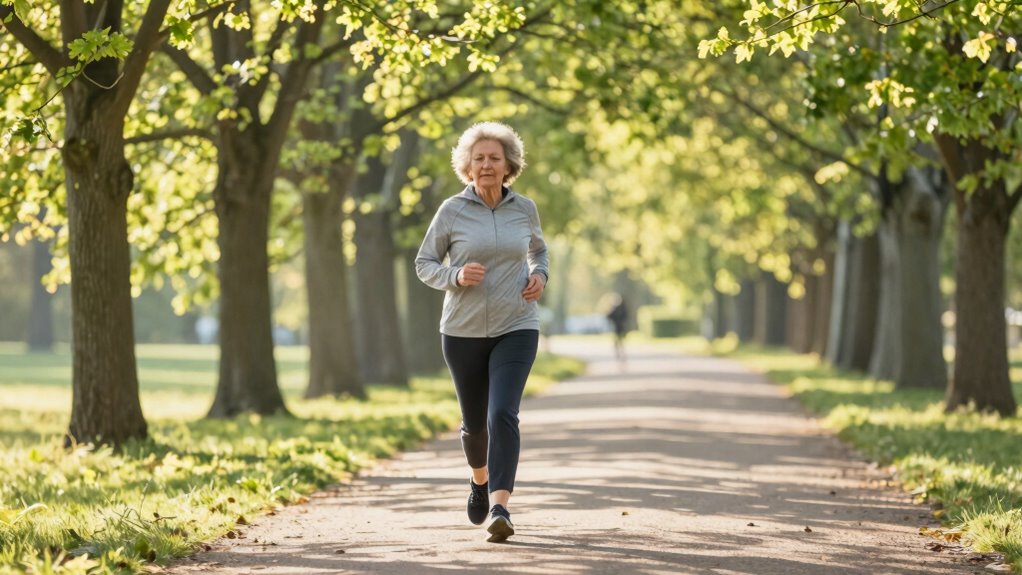

Walking still matters for older adults because it boosts your health, improves your mood, and keeps you independent. It’s a simple activity that enhances cardiovascular health, supports physical stamina, and fits easily into daily routines. Walking also helps you connect with neighbors and build a sense of community. Plus, it benefits the environment by reducing traffic and pollution. If you want to discover more ways it can enhance your life, keep exploring what walking can do for you.

Get health and wellness essentials delivered free with Prime
- Fast, free delivery on millions of items
- Prime Video, Amazon Music and more included
- Member-only deals all year
Key Takeaways
- Walking maintains cardiovascular health and physical stamina, reducing risks of chronic diseases in older adults.
- It promotes independence and ease of mobility in daily activities and community engagement.
- Walking encourages social interaction, combating loneliness and supporting mental well-being.
- It is a flexible, accessible form of exercise that can be adapted to individual health levels.
- Walking helps reduce urban pollution and traffic, contributing to healthier environments for seniors.
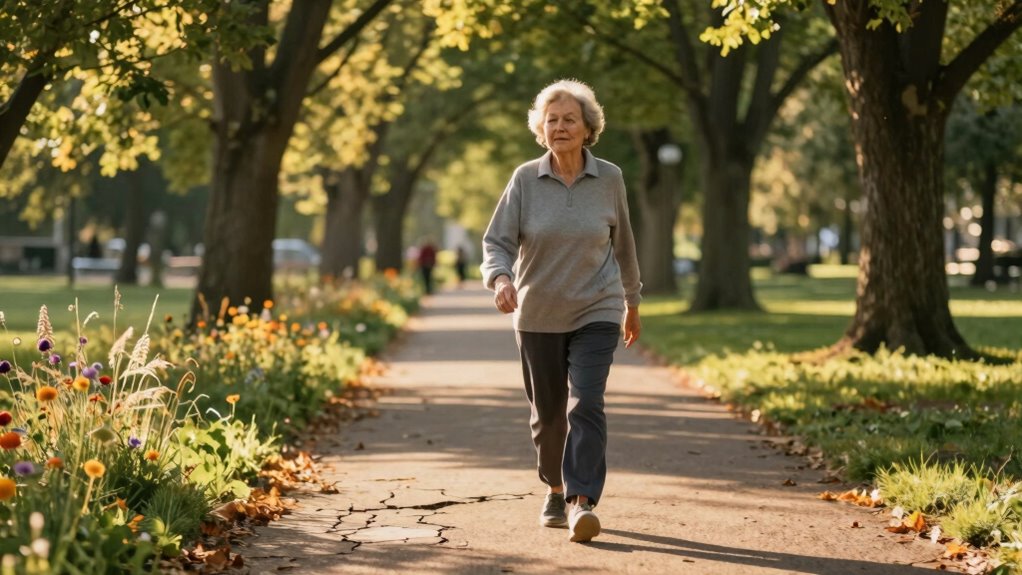
Walking is one of the simplest and most effective ways for older adults to stay active and maintain their health. It doesn’t require special equipment or a gym membership—just a safe route and a comfortable pair of shoes. Beyond physical benefits, walking plays a crucial role in enhancing urban mobility, making it easier for you to navigate city streets, public transportation, and local neighborhoods. When you walk regularly, you become more confident in getting around, which encourages independence and reduces reliance on others for transportation. This sense of freedom can markedly improve your quality of life, especially in urban settings where mobility options are plentiful but sometimes overwhelming.
Besides boosting your physical health, walking also supports your social engagement. When you walk through parks, community streets, or shopping districts, you naturally encounter neighbors and fellow pedestrians. These casual interactions can lead to conversations, friendships, and a stronger sense of community. Walking with friends or joining local walking groups creates opportunities for socialization that are both enjoyable and beneficial for mental health. Social engagement through walking helps combat loneliness and keeps your mind sharp by encouraging regular social contact. It’s a simple way to stay connected and active in your community, making each walk more than just exercise—it becomes a social event.
Moreover, walking is adaptable to your daily schedule and physical ability. You can choose to stroll leisurely in a park or take brisk walks to boost your cardiovascular health. As you build strength and stamina, you might extend your routes or explore new neighborhoods, further enriching your experience. Walking can be integrated into routines like commuting to nearby stores, visiting friends, or attending community events. This flexibility means you’re more likely to stick with it long-term, maintaining the consistency needed for sustained health benefits.
In urban environments, walking isn’t just about individual health; it’s also about supporting sustainable and livable communities. When more people walk, cities experience less traffic congestion and pollution, leading to cleaner air and safer streets. Your regular walks contribute to a more vibrant, accessible urban space that benefits everyone. So, whether you’re aiming to keep your body fit, stay socially connected, or simply enjoy your surroundings, walking remains a powerful, accessible tool for older adults. It’s a daily practice that nurtures your body, mind, and community, proving that sometimes, the simplest activities deliver the most profound benefits.
comfortable walking shoes for seniors
As an affiliate, we earn on qualifying purchases.
As an affiliate, we earn on qualifying purchases.
Frequently Asked Questions
How Can Older Adults Start Walking Safely?
To start walking safely, you should set realistic walking motivation goals and gradually increase your pace and distance. Wear proper safety gear like supportive shoes and reflective clothing to prevent injuries and stay visible. Before heading out, check the weather and choose safe, even paths. Remember to warm up before walking and cool down afterward. Staying consistent and listening to your body helps guarantee a safe, enjoyable walking routine.
Are There Specific Walking Exercises for Different Health Conditions?
Yes, there are specific walking exercises tailored to different health conditions. For joint issues, focus on a gentle walking pace with proper walking posture to reduce strain. If you have balance problems, incorporate slow, controlled steps and short distances. For cardiovascular health, increase your walking pace gradually while maintaining good posture. Always listen to your body and consult with your healthcare provider to customize exercises suited to your needs.
How Long Should Older Adults Walk Each Day?
You should aim for about 30 minutes of walking daily, but it varies with your fitness level. For instance, if you walk at a steady pace, taking 3,000 steps in 30 minutes, that’s ideal. Break it into shorter sessions if needed. Focus on maintaining a comfortable walking pace, and gradually increase step duration as your endurance improves. Consistency is key to reaping health benefits.
What Footwear Is Best for Walking in Older Age?
You should choose footwear with good shoe support and comfort for walking in older age. Look for shoes that provide ample cushioning, a flexible sole, and a supportive arch to reduce strain and prevent falls. Avoid stiff or tight shoes, and opt for well-fitting sneakers or walking shoes specifically designed for comfort. Proper footwear helps you walk confidently, minimizes injury risk, and keeps you comfortable during your daily walks.
Can Walking Help Prevent Cognitive Decline?
Walking helps prevent cognitive decline by boosting memory retention and stimulating your brain. As you walk regularly, you increase blood flow to your brain, which encourages the growth of new neurons. This physical activity also promotes the release of chemicals that support brain health. So, by walking consistently, you actively engage in brain stimulation that can keep your mind sharper and improve your overall cognitive function over time.
As an affiliate, we earn on qualifying purchases.
Conclusion
Remember, a gentle stride can be your secret to staying vibrant and connected. Walking isn’t just about movement; it’s a quiet invitation to embrace life’s gentle rhythms and cherish each moment. Keep stepping forward, and you’ll find that even the smallest journeys can lead to the most meaningful adventures. So, put on your shoes and take that peaceful walk—you’re nurturing your well-being, one step at a time.
lightweight portable walking stick
As an affiliate, we earn on qualifying purchases.
As an affiliate, we earn on qualifying purchases.
As an affiliate, we earn on qualifying purchases.
Columbus Day / Indigenous Peoples' Day Picks
long weekend sales
As an affiliate, we earn on qualifying purchases.