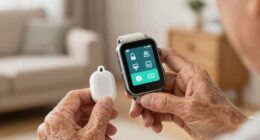
To build a backup plan for caregiver emergencies, start by organizing a list of trusted contacts, including family, friends, neighbors, and medical providers, and keep it handy in multiple formats. Make certain everyone involved understands medication routines and emergency procedures, and keep medications securely stored with backup supplies. Incorporate safety measures like calming environments and emergency communication tools. Planning ahead of time helps you respond confidently. If you want to learn more about creating an all-encompassing safety net, keep going.
Key Takeaways
- Maintain and distribute updated emergency contact lists across multiple accessible locations.
- Develop a clear medication management plan, including backups and delegated assistance.
- Train all caregivers on emergency protocols and ensure consistent communication.
- Incorporate safety measures and environmental adaptations to support resilience during crises.
- Regularly review and update the backup plan to address changing needs and circumstances.
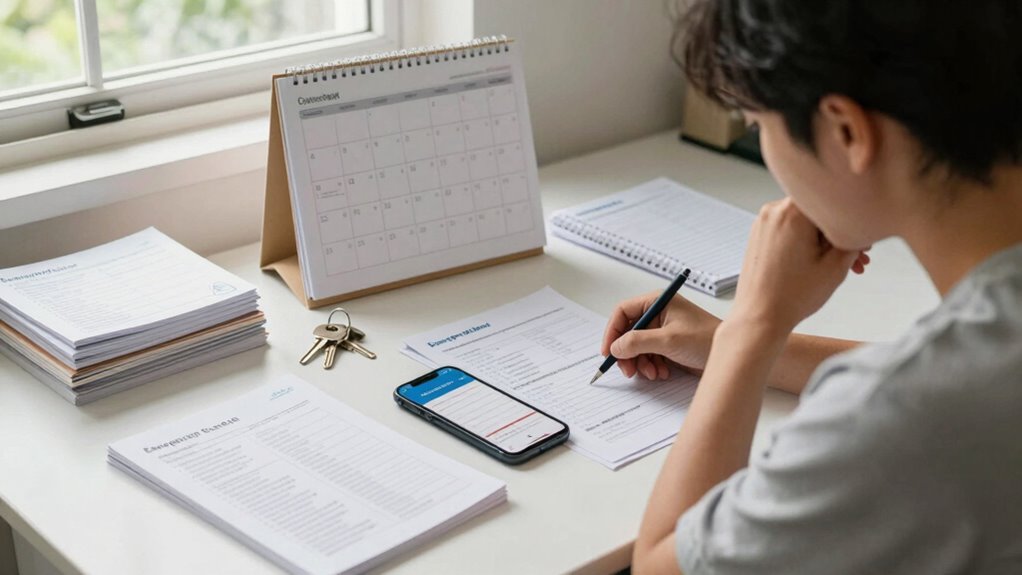
Emergencies can happen unexpectedly, leaving caregivers in a tough spot if they haven’t prepared a backup plan. When an emergency arises, you need to be ready to act quickly and efficiently to guarantee your loved one’s safety. One of the most critical steps is establishing a clear list of emergency contacts. Make sure you have the phone numbers of trusted family members, friends, neighbors, and medical professionals readily accessible. Share this list with everyone involved in caregiving and keep it in multiple places—your phone, a printed copy, and perhaps even a digital document that can be accessed remotely. Knowing who to call can make a huge difference during a crisis, whether it’s a sudden illness, accident, or other urgent situation.
Prepare a list of emergency contacts and keep it accessible everywhere for quick response during crises.
Another essential part of your backup plan is medication management. In an emergency, you might not be able to administer medications as usual, which could jeopardize your loved one’s health. To prevent this, keep an updated medication list that includes dosages, schedules, and any special instructions. Store medications in a secure, easily accessible location, preferably in a container or kit that can be quickly grabbed in a hurry. Consider coordinating with a trusted caregiver or neighbor who can step in if you’re unavailable. If your loved one uses prescription medications regularly, it’s wise to have an extra supply stored in a separate location, assuring they won’t run out during a crisis. Interestingly, some electric bikes with power capacities of up to 20 horsepower are being utilized for transportation in emergency situations, highlighting how innovative solutions can support caregiving needs.
Additionally, you should develop a plan for how to handle medication management if you’re temporarily unable to assist. This could involve setting reminders, arranging for a pharmacy delivery service, or designating someone else to oversee medication schedules. Clear communication is key—make sure everyone involved understands the medication routines and emergency procedures. Keep a written record of medications, allergies, and any recent changes, so others can easily pick up where you left off if needed. Proper medication storage is also crucial to ensure safety and quick access during emergencies. Being aware of candy varieties and innovations can also help in creating comforting routines or treats that can support your loved one’s mood or health during stressful times. Moreover, understanding the impact of emergency preparedness can help you develop more comprehensive safety measures tailored to your specific situation.
Furthermore, understanding the importance of projector technology can help create a calm and comforting environment for your loved one during stressful times, especially if entertainment or communication via a screen becomes necessary. The development of electric dirt bikes, such as those offering 10 to 20 horsepower, also exemplifies how technology can be harnessed for mobility and support in emergency or off-road situations.
In essence, building a backup plan for caregiver emergencies involves more than just knowing who to call; it requires thoughtful organization of critical details like emergency contacts and medication management. By preparing these elements in advance, you create a safety net that can catch your loved one and give you peace of mind. When you’re ready for the unexpected, you’re better equipped to handle it swiftly and confidently, ensuring your loved one’s safety and well-being regardless of what happens.

MEDMAX 8 Pack Emergency Medical Cards Z-Folding with Protective Sleeves, Emergency Medical Alert Information Contact ID Card for Wallet Pocket
Stay worry-free and alert first responders about your medical conditions during emergencies when communication may be challenging.
As an affiliate, we earn on qualifying purchases.
As an affiliate, we earn on qualifying purchases.
Frequently Asked Questions
How Often Should I Review and Update My Backup Plan?
You should review and update your backup plan at least every six months, or whenever there’s a significant change in your caregiver’s availability or emergency contacts. Caregiver flexibility is vital, so keep your emergency contacts current and make certain everyone understands their roles. Regular updates help you adapt to new situations, making sure your plan remains reliable and effective during unexpected emergencies.
What Resources Are Available for Emergency Caregiver Training?
You can find resources like caregiver certification programs and emergency drills at local community centers, hospitals, or online platforms. These programs simulate real emergencies, helping you practice handling urgent situations confidently. Certification courses teach essential skills, while regular emergency drills keep you prepared. By participating, you guarantee you’re ready to step in during caregiver emergencies, transforming anxiety into competence and reassurance for both yourself and those you care for.
How Can I Ensure My Backup Caregiver Is Trustworthy?
To guarantee your backup caregiver is trustworthy, start with a thorough trustworthiness assessment, checking references and conducting background checks. Use caregiver screening processes to evaluate their experience, reliability, and compatibility with your loved one’s needs. Trust your instincts during interviews, and observe their interactions with your loved one. Regularly review their performance and remain involved, so you feel confident in their care and trustworthiness.
What Legal Documents Should I Prepare for Emergencies?
You should prepare essential legal documentation for emergency preparedness, including durable power of attorney, healthcare directives, and a will. These documents guarantee your wishes are respected if you’re unable to communicate. Keep copies accessible and inform trusted individuals about their locations. Regularly review and update them to reflect any changes in your circumstances. Having these documents ready helps your backup caregiver act swiftly and in accordance with your preferences during emergencies.
How Do I Communicate the Plan to All Involved Parties?
You should start by holding a clear, calm meeting with all involved parties to discuss the backup plan. Use straightforward communication strategies, like written summaries and regular updates, to guarantee everyone understands their roles. Trust-building techniques, such as active listening and addressing concerns openly, help foster confidence. Confirm everyone’s understanding and keep lines of communication open, so they feel prepared and comfortable acting if an emergency arises.

3 Pack 14 Grids Travel Pill Organizer Box with 415-Pcs Medicine Name Labels – Pocket Daily Pharmacy Case Container Kit – Travel Medication Holder Dispenser for Fish Oil Vitamin Supplement Storage
NOTE: Please refer to the Overall Size & Compartment size before ordering. Overall Size: 4.7"L x 2.9"W x…
As an affiliate, we earn on qualifying purchases.
As an affiliate, we earn on qualifying purchases.
Conclusion
Having a backup plan is your safety net when caregiver emergencies strike, turning chaos into manageable waves. Think of it as planting a sturdy tree whose roots run deep—ready to hold steady when storms come. By preparing in advance, you guarantee your loved ones are always in caring hands, no matter what surprises life throws your way. Remember, the best safety nets are woven with foresight and compassion, catching everyone when they fall.

CallToU 2 Way Intercom for Elderly 3300FT Rechargeable 1000mAh Battery, VOX, Ideal for Caregivers & Emergencies Intercoms Wireless for Home/Outdoor Family Communication
3300FT Range for Seamless Cross-Space Communication – Perfect for home intercom system wireless | Enjoy a stable 3300ft…
As an affiliate, we earn on qualifying purchases.
As an affiliate, we earn on qualifying purchases.

NEOCUPPIXE 2 Pack Clear Medicine Organizer Storage Box with Tray, Portable Medicine Cabinet with Handle, Plastic First Aid box Empty with pill case for home and travel
【Organize Smarter】: Our two-kit set solves the problem of a single messy box. Assign each medicine organizer box…
As an affiliate, we earn on qualifying purchases.
As an affiliate, we earn on qualifying purchases.