
A good patient transfer aid for home use offers stability, support, and a reliable grip to keep both you and the patient safe. It should be simple to operate, lightweight, and versatile for different surfaces like beds and chairs. Comfort is key, so look for padded handles and supportive design that reduces strain. Proper safety checks and handling techniques are essential. If you want to discover how to choose the best device, keep exploring your options.

Get health and wellness essentials delivered free with Prime
- Fast, free delivery on millions of items
- Prime Video, Amazon Music and more included
- Member-only deals all year
Key Takeaways
- Provides stability, support, and reliable grip points for safe and secure patient transfers.
- Features simple, ergonomic design for easy, intuitive operation without extensive training.
- Ensures patient comfort with proper support, padding, and portability for quick, stress-free transfers.
- Includes safety features like non-slip surfaces and regular inspection protocols to prevent accidents.
- Balances caregiver safety and patient dignity, reducing physical strain and promoting independent movement.
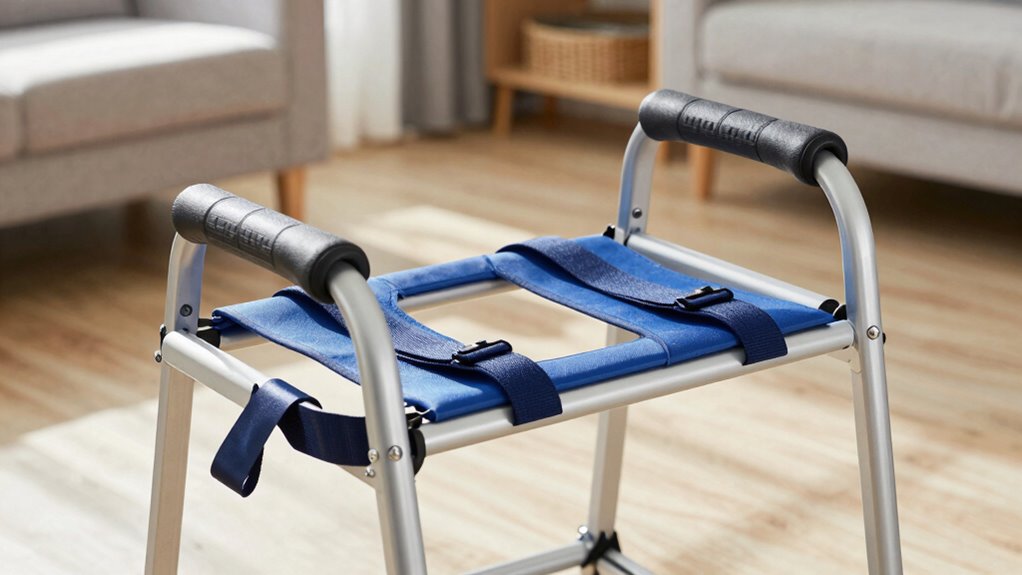
When caring for a loved one at home, having a reliable patient transfer aid can make a significant difference in safety and independence. A good transfer aid should be easy to use, comfortable, and adaptable to different situations. It’s essential to consider the safety precautions involved in manual handling, ensuring both you and your loved one are protected during transfers. The right device minimizes the risk of injury, reduces physical strain, and helps maintain dignity during movement.
A key feature of an effective patient transfer aid is its stability and support. It should securely hold your loved one and offer reliable grip points for you. Whether it’s a transfer belt, slide sheet, or a mechanical device like a hoist, the equipment needs to provide confidence that your loved one won’t slip or fall. Look for aids with non-slip surfaces and sturdy construction, which can handle the weight safely. The design should also facilitate smooth, controlled movements, preventing sudden shifts that could cause discomfort or injury. Considering electric power options can further enhance ease of use in certain situations, especially for heavier individuals or those with limited mobility.
Another essential aspect is ease of use. A good transfer aid should be straightforward to operate without requiring extensive training. If it’s too complicated, you might hesitate or make mistakes, increasing the risk of accidents. Features like simple straps, quick-release buckles, or lightweight frames can make the process smoother. It’s equally important that the aid is compatible with the environment at home — whether you’re working on a bed, chair, or bathroom — to ensure versatility and convenience. Incorporating ergonomic design principles can further enhance user comfort and safety.
Comfort for your loved one is also indispensable. The transfer aid should support their body properly, avoiding unnecessary pressure or discomfort. Padded handles or supportive straps can help in this regard. Comfort encourages cooperation and makes the transfer less stressful for both of you. Additionally, the device should be portable or easy to store when not in use, so it’s readily available whenever needed without cluttering your living space. Properly designed patient transfer aids can greatly improve the ease of movement and reduce physical effort during transfers.
Finally, safety precautions should always be your priority. Before every transfer, check that the aid is in good condition, correctly assembled, and suited for your loved one’s weight and mobility level. Always follow manufacturer instructions and practice safe manual handling techniques, keeping your back straight and using your leg muscles while lifting. This approach minimizes strain and reduces the risk of injury. Using proper techniques alongside the right device can further enhance safety and confidence during home care. When used properly, a good patient transfer aid supports safe, dignified movement, empowering you to care for your loved one confidently at home.
patient transfer belt for home use
As an affiliate, we earn on qualifying purchases.
As an affiliate, we earn on qualifying purchases.
Frequently Asked Questions
How Do I Choose the Right Transfer Aid for My Specific Needs?
To choose the right transfer aid, assess your specific needs and consider alternative transfer methods that suit your situation. Look for customization options like adjustable features to guarantee comfort and safety. Think about the user’s mobility level, space constraints, and ease of use. Consulting with a healthcare professional can help you select a transfer aid that fits your home environment and provides reliable support, making transfers safer and more manageable.
Are Transfer Aids Suitable for All Types of Mobility Impairments?
Transfer aids are suitable for many types of mobility impairments, but not all. They serve as assistive technology to support safe and effective mobility solutions, especially for those with limited strength or balance. However, some severe impairments may require more specialized equipment or professional assistance. You should evaluate your specific needs and consult healthcare providers to determine if transfer aids are appropriate for your condition.
What Safety Features Should I Look for in a Transfer Aid?
You should look for safety features like an ergonomic design, which guarantees comfort and reduces strain during use, and material durability for longevity and reliability. Check that the transfer aid has secure grips and non-slip surfaces to prevent falls. Adjustable components help customize the fit, and sturdy frames provide stability. These features work together to keep you safe and confident during transfers at home.
Can Transfer Aids Be Used Independently or Only With Assistance?
Did you know that nearly 60% of patients prefer using transfer aids independently? Transfer aids can be used independently if they’re designed for self-transfer techniques, allowing you to move safely without assistance. However, your ability depends on your strength and mobility. Always follow appropriate training and safety guidelines. If you’re unsure, consult a healthcare professional to confirm you can use the device safely for independent use, reducing fall risk and promoting confidence.
How Much Space Is Needed to Use a Transfer Aid Effectively?
You need enough space to use a transfer aid safely and comfortably. Typically, a clear area of at least 4 to 6 feet in width and length is recommended, depending on the device. Measure your room dimensions to verify they accommodate this space, allowing you to move freely without obstructions. Adequate space reduces the risk of accidents and makes transfers smoother, so plan your room layout accordingly.
slip-resistant patient transfer sheet
As an affiliate, we earn on qualifying purchases.
As an affiliate, we earn on qualifying purchases.
Conclusion
In choosing a patient transfer aid, you want something reliable, easy to use, and suited to your needs—think of it as your trusty steed in the modern age. Remember, even in a world that’s rapidly advancing, a good transfer aid is timeless, like a well-worn saddle from the days of yore. With the right device, you’ll feel confident and safe, turning what could be a formidable task into a simple, manageable routine.
As an affiliate, we earn on qualifying purchases.
As an affiliate, we earn on qualifying purchases.
Cold & flu season Picks
humidifiers
As an affiliate, we earn on qualifying purchases.