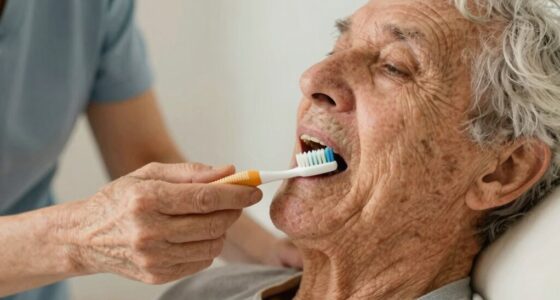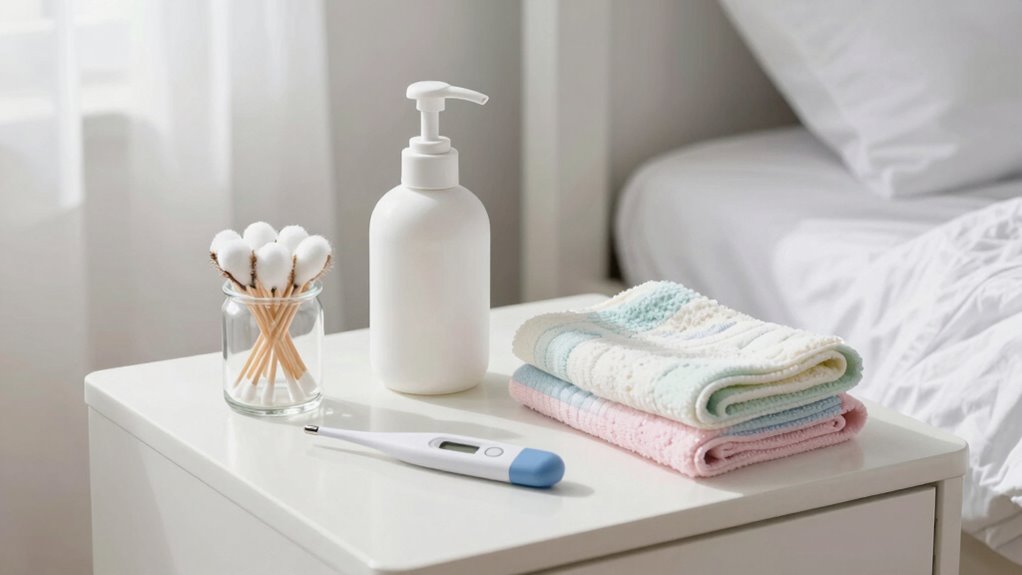

To create a cleaner, safer bedside hygiene setup, guarantee you have all PPE readily available and practice proper donning and doffing to prevent cross-contamination. Wash your hands thoroughly before and after patient contact, and disinfect frequently touched surfaces regularly with hospital-grade disinfectants. Keep clutter minimal for easier cleaning, and dispose of waste properly in designated containers. Developing a consistent cleaning routine and staying trained on infection prevention will markedly improve safety and hygiene—continue to explore ways to improve your setup.
Key Takeaways
- Organize supplies within arm’s reach to minimize clutter and facilitate efficient cleaning.
- Regularly disinfect all high-touch surfaces like bed rails, tables, and light switches.
- Practice proper hand hygiene before and after patient contact to reduce infection risk.
- Ensure PPE is readily available and used correctly during patient interactions.
- Develop and follow a consistent cleaning schedule, promptly addressing spills and dirt.
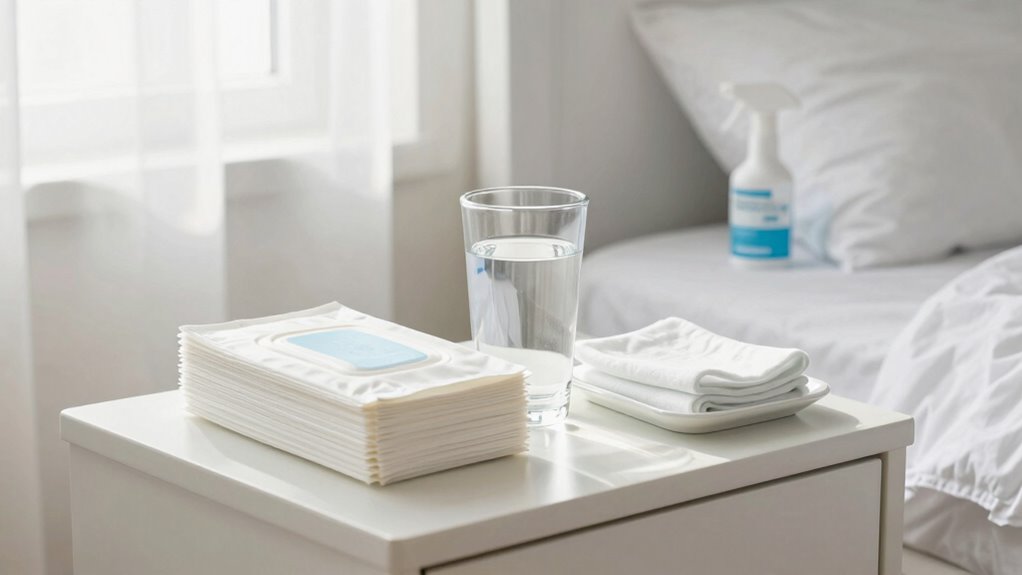
Maintaining a clean and safe bedside hygiene setup is essential for preventing infections and ensuring comfort. You need to pay close attention to how you prepare and maintain your space, especially when handling personal care. One of the most important steps is using personal protective equipment (PPE). Wearing gloves, masks, or gowns when necessary creates a barrier against germs, protecting both you and the patient. PPE should be readily available and used correctly, especially during activities that involve contact with bodily fluids or contaminated surfaces. Proper donning and doffing techniques are crucial to avoid cross-contamination, so make sure you’re trained in these procedures.
Using PPE correctly protects both caregivers and patients from infection risks.
Alongside PPE, consistent hand hygiene practices are your frontline defense. Wash your hands thoroughly with soap and water for at least 20 seconds before and after each patient interaction, after touching surfaces, or when moving between tasks. If soap and water aren’t available, use an alcohol-based hand sanitizer with at least 60% alcohol. Proper hand hygiene is simple yet highly effective at reducing the spread of bacteria and viruses. Be sure to clean under your nails and between fingers, and dry your hands completely afterward. Keeping hand hygiene top of mind helps maintain a sterile environment and minimizes infection risks. Additionally, understanding disinfection techniques and their proper application can further enhance your cleaning routines. Incorporating proper cleaning protocols can also help streamline your routine and ensure consistency. Regular training on infection prevention ensures everyone remains aware of best practices and reduces errors. Practicing proper waste disposal methods is equally important to prevent contamination.
Your cleaning routine should include disinfecting all surfaces in the bedside area regularly. Use hospital-grade disinfectants or approved cleaning agents to wipe down bed rails, bedside tables, light switches, and other frequently touched objects. Keep clutter to a minimum, which makes cleaning easier and reduces germ-harboring spots. Organize supplies so that everything you need is within arm’s reach, but don’t keep unnecessary items that could clutter the space. Proper disposal of waste and soiled linens is equally important; always use designated containers and follow protocols for handling contaminated materials.
Maintaining a consistent schedule for cleaning and disinfecting is vital. Before beginning your shift, inspect the area for visible dirt or spills and clean them immediately. After each patient, disinfect surfaces thoroughly to prevent cross-contamination. When finished, ensure all used PPE is properly discarded and your hands are sanitized. Developing these habits creates a safer environment not just for patients but for everyone involved in their care. Remember, a clean and well-maintained bedside setup isn’t just about appearance—it’s about protecting health, reducing the risk of infection, and providing a comfortable, trustworthy space for healing. Additionally, understanding household products and their proper use can enhance your cleaning effectiveness and safety.

Professional Disposables Surface Disinfectant Super Sani-Cloth Wipes, 160Count
- Effective Germicidal Formula: 55.5% active germicidal agents including quat and alcohol
- Material-Friendly Design: Neutral pH prevents material degradation
- Fast-Acting Disinfection: Kills bacteria, fungi, viruses in 2 minutes
As an affiliate, we earn on qualifying purchases.
As an affiliate, we earn on qualifying purchases.
Frequently Asked Questions
How Often Should Bedside Hygiene Supplies Be Replaced?
You should replace bedside hygiene supplies weekly or when they show signs of wear or contamination. Regularly updating personal hygiene items keeps your bedside organization clean and safe. Check for expired products, damaged containers, or visible dirt, and discard them promptly. Maintaining a consistent schedule guarantees you’re always prepared, minimizes bacterial growth, and promotes good personal hygiene. This routine helps create a safer, more organized bedside environment that supports your health.
What Are the Best Disinfectants for Bedside Surfaces?
Did you know that using the right disinfectant can reduce bacteria by up to 99.9%? For bedside surfaces, alcohol-based solutions with at least 70% alcohol are best options, offering excellent disinfectant effectiveness and quick surface contact safety. Quaternary ammonium compounds are also effective for non-porous surfaces, ensuring germs are eradicated without damaging your environment. Always follow manufacturer instructions for maximum safety and efficacy.
How Can I Prevent Cross-Contamination at the Bedside?
To prevent cross-contamination at the bedside, you should practice strict hand hygiene, washing your hands thoroughly before and after patient contact. Always use personal protective equipment, like gloves and masks, when necessary. Disinfect surfaces regularly with appropriate cleaners, and avoid touching multiple surfaces without changing gloves or handwashing. These steps minimize bacteria transfer, ensuring a safer environment for both you and your patient.
Are There Specific Storage Tips for Hygiene Products?
You should focus on hygiene product organization by choosing proper storage container options, like clear, airtight containers or caddies, to keep items tidy and protected. Always store products in a cool, dry place away from contaminants, and avoid overcrowding to prevent cross-contamination. Label containers clearly, and regularly clean them to sustain hygiene. Proper storage ensures your products stay safe, organized, and easily accessible when needed.
What Safety Precautions Should Caregivers Follow?
You should always prioritize patient comfort and equipment maintenance by following strict safety precautions. Wear gloves and wash your hands thoroughly to prevent infections. Regularly disinfect tools and surfaces to maintain hygiene standards. Be cautious with electrical devices, ensuring cords are safe and outlets are dry. Always check equipment for damage before use. These steps protect both the patient and caregiver, creating a safer, more comfortable environment.

Cuffbow 9 Pcs XL Personal Protective Equipment (PPE) Safety Kit Includes Safety Glasses, Earplugs, Hard Hat, Nitrile Gloves, Reflective Vest for Construction Site Protection, Warehouse Operations
- Complete PPE Protection Set: Includes safety glasses, helmet, gloves, vest, and earplugs
- High-Visibility Reflective Vest: Bright mesh with wide reflective strips for visibility
- Versatile Industry Use: Suitable for construction, warehouse, factory, and DIY
As an affiliate, we earn on qualifying purchases.
As an affiliate, we earn on qualifying purchases.
Conclusion
By taking these simple steps, you’re fundamentally becoming the guardian of your own health—like a modern-day Florence Nightingale. Just as she prioritized cleanliness to save lives, your commitment to a cleaner, safer bedside setup can make all the difference. Remember, small daily habits build a fortress of safety around you. So, embrace these practices, and turn your bedside into a sanctuary of hygiene and well-being—because your health is worth every effort.

Germ-X Advanced Hand Sanitizer with Aloe and Vitamin E, 1 Liter, Less Drying Moisturizing Gel, No Rinse Formula, Pump Bottle
- Germ-Killing Effectiveness: Kills 99.99% of germs in 15 seconds
- Ideal for School and Home: Perfect for classroom and daily use
- Fast and Convenient: Effective without water in seconds
As an affiliate, we earn on qualifying purchases.
As an affiliate, we earn on qualifying purchases.

CleanSmart Daily Surface Cleaner and Pet-Safe Disinfectant, 23 oz (2 pack)
- Virus and Bacteria Killer: Kills 99.9% of viruses and bacteria
- Versatile Surface Cleaner: Suitable for countertops, pet bowls, floors, and toys
- Pet and Food Safe: Safe to spray around food and pets
As an affiliate, we earn on qualifying purchases.
As an affiliate, we earn on qualifying purchases.