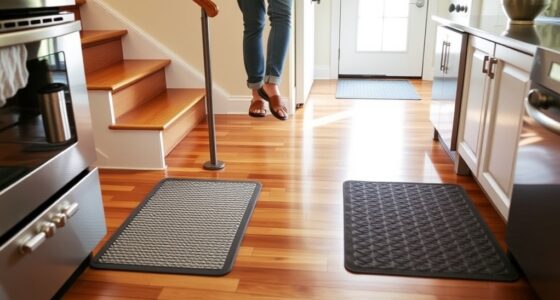

Proper lighting plays a bigger safety role in your home than many families realize. It guarantees every corner, stairway, and pathway is well-lit to prevent accidents, falls, and fires caused by electrical issues. Poor lighting and faulty wiring increase risks, while energy-efficient bulbs and good design reduce hazards. Good lighting also supports emergency preparedness and daily well-being by improving visibility and reducing eyestrain. Keep going to discover how paying attention to lighting can greatly enhance your safety.
Listen free for 30 days with Audible
Thousands of audiobooks and originals — cancel anytime.
As an affiliate, we earn on qualifying purchases.
Key Takeaways
- Poor lighting increases the risk of trips, falls, and accidents, especially in stairs and outdoor walkways.
- Faulty electrical fixtures and wiring can cause fires or electrical shocks if not properly maintained.
- Inadequate lighting hampers visibility during emergencies, delaying evacuation or safety responses.
- Shadows and blind spots created by poor lighting conceal hazards, leading to injury risks.
- Energy-efficient lighting reduces electrical overloads and heat-related hazards, enhancing overall home safety.
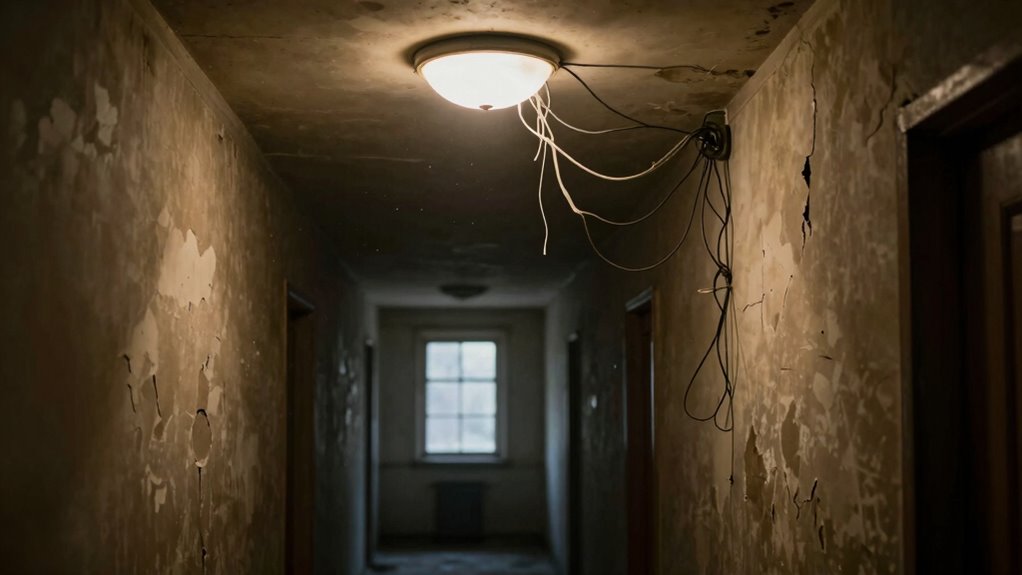
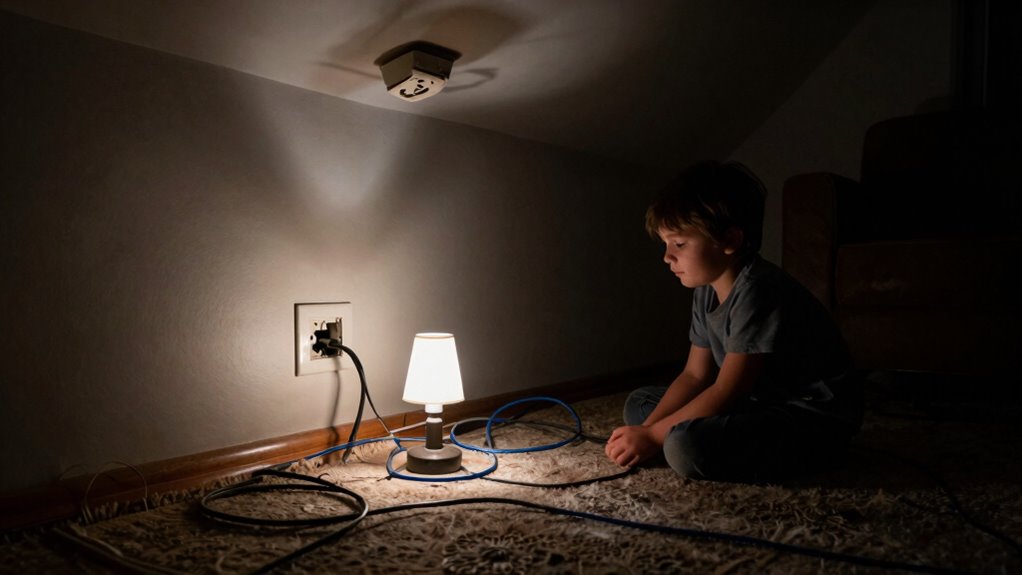
Lighting safety is essential for protecting yourself and others from potential hazards. Many families overlook how vital proper lighting is in maintaining a safe environment, especially during emergencies. Poor lighting can lead to accidents, falls, or even fires if electrical issues aren’t addressed promptly. It’s not just about brightening up a room; it’s about ensuring that every corner, stairway, and pathway is well-lit and secure. When you prioritize emergency preparedness, you also need to think about how lighting plays a role in safely steering your home during power outages or natural disasters. Having backup lighting sources, such as flashlights or battery-operated lamps, can make a significant difference in preventing injuries or confusion during critical moments.
Energy efficiency is another crucial aspect of lighting safety that many families neglect. Using energy-efficient bulbs or fixtures not only reduces your utility bills but also minimizes the risk of electrical overloads or fires caused by outdated or faulty wiring. Modern LED lighting options are safer because they produce less heat and are less likely to cause burns or fires if accidentally touched or knocked over. Additionally, energy-efficient lighting often lasts longer, reducing the frequency of bulb replacements and the chance of electrical faults that can lead to dangerous situations. When you choose energy-efficient solutions, you’re creating a safer home environment while also being environmentally responsible. Proper lighting design can further enhance safety by reducing shadows and blind spots around your home. Proper lighting also plays a critical role in electrical safety, helping to prevent hazards caused by faulty wiring or poorly maintained fixtures.
Beyond just safety, proper lighting contributes to overall household well-being. It helps prevent eyestrain and headaches, making daily tasks easier and more comfortable. Well-lit spaces reduce the chance of accidents, particularly in areas like stairwells, kitchens, and outdoor walkways. Installing motion sensors or timers can enhance safety by ensuring lights turn on when needed, reducing the risk of tripping or falling in the dark. Regularly inspecting your lighting fixtures for wear, frayed wires, or loose connections is a proactive step toward preventing electrical failures that could cause fires or shocks. Additionally, understanding the importance of lighting safety can help you identify potential hazards before they become serious issues. Remember, good lighting is an integral part of your emergency preparedness plan—ensuring visibility and safety during unexpected situations.
As an affiliate, we earn on qualifying purchases.
Frequently Asked Questions
How Can I Tell if My Home’s Lighting Is Unsafe?
You can tell if your home’s lighting is unsafe by checking for flickering bulbs, uneven lighting, or areas that are too dim or overly bright, which can cause accidents. Review your lighting design to make certain it adequately illuminates walkways and emergency exits. Also, incorporate emergency preparedness lighting, like backup lights, to prevent hazards during power outages. If you’re unsure, consider consulting a professional to evaluate your lighting safety.
Are LED Lights Safer Than Incandescent Bulbs?
Absolutely, LED lights are safer than incandescent bulbs. They’re more energy-efficient, which helps reduce your electricity bills, and they emit less heat, decreasing the risk of burns or fires. Plus, LEDs have a lower environmental impact because they last longer and use less resources. So, switching to LED lighting not only brightens your home’s safety but also supports a greener planet, making your space both safer and more eco-friendly.
What Are the Most Common Lighting-Related Electrical Hazards?
You should be aware that common lighting-related electrical hazards include faulty wiring, overloaded circuits, and poorly designed lighting setups. Inadequate lighting design can cause trips or shorts, increasing the risk of fires or shocks. Emergency lighting is essential for safety during power outages, ensuring escape routes are visible. Regular inspections and proper installation help prevent these hazards, keeping your home safe and compliant with electrical codes.
How Often Should I Have My Lighting Fixtures Inspected?
Think of your lighting fixtures as a vintage radio; they need regular care. You should have your lighting inspected annually for safety and proper function. During this lighting maintenance, consider fixture upgrades if they’re outdated or damaged. Regular inspections help prevent electrical hazards and guarantee ideal lighting. Staying proactive keeps your home safe, saving you from potential fires or shocks caused by faulty wiring or aging fixtures.
Can Improper Lighting Cause Long-Term Health Problems?
Yes, improper lighting can cause long-term health problems, especially if your lighting design isn’t suitable. Poorly designed lighting can lead to eye strain, headaches, and even vision problems over time. Constant exposure to inadequate or harsh lighting strains your eyes, making tasks more difficult and increasing fatigue. To protect your health, make sure your lighting is well-designed, balanced, and suited to your needs, reducing strain and preventing long-term issues.
motion sensor outdoor security lights
As an affiliate, we earn on qualifying purchases.
As an affiliate, we earn on qualifying purchases.
Conclusion
Remember, lighting isn’t just about brightness—it’s about safeguarding your loved ones. Think of it as the silent guardian that guides you safely through every room, every step, every night. When you prioritize proper lighting, you’re weaving a safety net that catches potential accidents before they happen. Don’t let poor lighting cast shadows over your family’s well-being; instead, shine a light on safety and make it a cornerstone of your home.
energy-efficient LED bulbs for home
As an affiliate, we earn on qualifying purchases.
As an affiliate, we earn on qualifying purchases.
stairway safety lighting fixtures
As an affiliate, we earn on qualifying purchases.
As an affiliate, we earn on qualifying purchases.
Flea & tick season Picks
flea and tick prevention
As an affiliate, we earn on qualifying purchases.