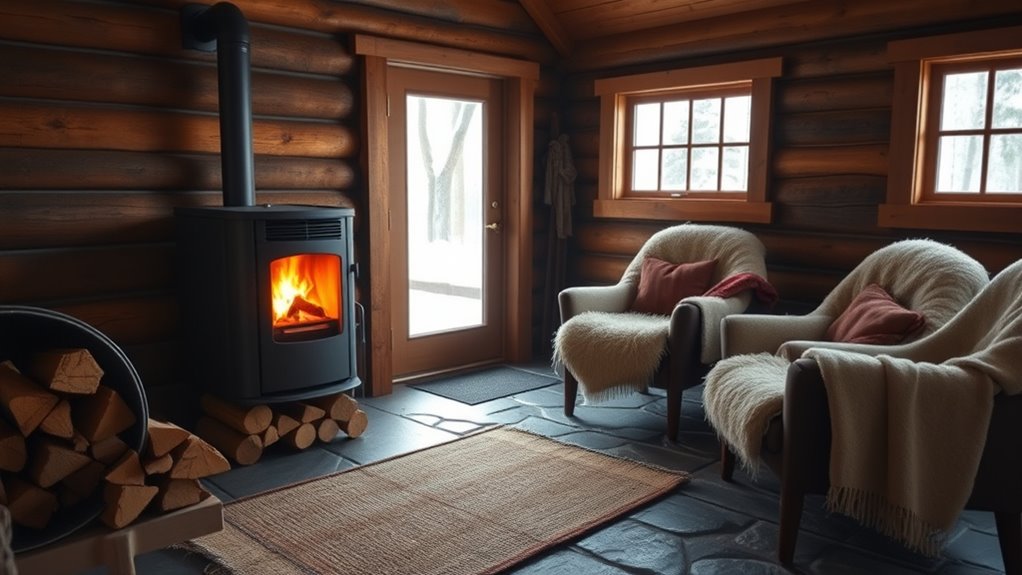

When searching for pellet stoves for offgrid cabins, the goal is reliable heat without needing constant power or extensive infrastructure. The Canyon Lodge Bayfront Pellet Stove stands out as the overall best pick thanks to its blend of efficiency and offgrid features. The US Stove 3,000 Sq. Ft. Pellet Stove with WiFi offers smart control for convenience, while the Comfortbilt HP22 provides high heating capacity for larger spaces. Buyers face tradeoffs between power independence, automation, size, and upfront costs. Keep reading for a detailed breakdown of these options and what to consider before buying.

Get health and wellness essentials delivered free with Prime
- Fast, free delivery on millions of items
- Prime Video, Amazon Music and more included
- Member-only deals all year
Key Takeaways
- The top picks balance offgrid independence with heating capacity and automation features.
- Wi-Fi and smart controls add convenience but can increase cost and complexity.
- Size and hopper capacity are crucial for maintaining heat during power outages or extended use.
- Build quality and durability are vital, especially for cabins exposed to harsh weather.
- Pricing varies widely; higher costs often include better automation and larger heating areas.
| Canyon Lodge Bayfront Pellet Stove |  | Best Overall for Large Offgrid Spaces with Smart Tech | Heating Capacity: 1,800-2,500 sq. ft. | Hopper Capacity: 66 lbs | Features: Bayfront window, cast iron fire pot, large viewing glass, air wash system, automatic ignition, whisper quiet blower, smart home technology, fresh air kit | VIEW ON AMAZON | See Our Full Breakdown |
| Cleveland Iron Works Bayfront Pellet Stove – 66lb Hopper |  | Best for Remote Control Comfort with Large Hopper | Hopper Capacity: 66 lbs | Heating Area: 1800 to 2500 sq ft | WiFi: Built-in | VIEW ON AMAZON | See Our Full Breakdown |
| Castle Serenity Pellet Stove with Smart Controller, 1500 sq ft Heating, 40lb Hopper |  | Best for Moderate Spaces with Programmable Modes | Heating Capacity: 1,500 sq ft | Hopper Capacity: 40 lbs | BTU: 32,000 | VIEW ON AMAZON | See Our Full Breakdown |
| US Stove 3,000 Sq. Ft. Pellet Stove with WiFi and 170lb Hopper |  | Best for Large, Powerfully Efficient Heating | Heat Output: 33,000 BTUs | Coverage Area: up to 3,000 sq ft | Hopper Capacity: 170 lbs | VIEW ON AMAZON | See Our Full Breakdown |
| Mr. Heater Cleveland Iron Works Small Pellet Stove – 24 lb Hopper |  | Best Compact for Medium Spaces with Smart Control | Hopper Capacity: 24 lbs | Heating Area: 800 to 1200 sq ft | WiFi: Built-in | VIEW ON AMAZON | See Our Full Breakdown |
| Comfortbilt Wood Pellet Stove HP22 – Heats up to 2,800 sq ft, 55 lb Hopper, EPA Certified |  | Best Overall for Large Spaces | Heating Area: 2,800 sq ft | Hopper Capacity: 55 lbs | Voltage: 110 Volt | VIEW ON AMAZON | See Our Full Breakdown |
| US Stove GW1949 Wiseway Non-Electric Pellet Stove |  | Best for Off-Grid Independence | Heat Output: 40,000 BTUs | Coverage Area: 2000 sq ft | Hopper Capacity: 60 pounds | VIEW ON AMAZON | See Our Full Breakdown |
| Ashley Pellet Stove with Wi-Fi, 2200 Sq. Ft. |  | Best for Remote Control & Mobile Integration | Heating Area: 2200 sq ft | BTUs: 30,000 | Hopper Capacity: 90 lbs | VIEW ON AMAZON | See Our Full Breakdown |
| Freedom Stoves Pellet Stove: Independence PS21 with Battery Backup, Wi-Fi Capability, Heats 800–1800 Sq Ft |  | Best for Power Outages & Versatility | Heating Capacity: 800–1800 sq ft | BTUs: 34,700 | Battery Backup: 24V DC with two 12V batteries | VIEW ON AMAZON | See Our Full Breakdown |
| Cleveland Iron Works Cast Iron Pellet Stove |  | Best for Classic Durability & Smart Home Control | Smart Home Compatibility: Yes | Control: Mobile app | Heating Capacity: 2000–3000 sq ft | VIEW ON AMAZON | See Our Full Breakdown |
| pellet stoves for offgrid cabin | Hopper Capacity |
|---|---|
| Canyon Lodge Bayfront Pellet S | 66 lbs |
| Cleveland Iron Works Bayfront | 66 lbs |
| Castle Serenity Pellet Stove w | 40 lbs |
| US Stove 3,000 Sq. Ft. Pellet | 170 lbs |
| Mr. Heater Cleveland Iron Work | 24 lbs |
| Comfortbilt Wood Pellet Stove | 55 lbs |
| US Stove GW1949 Wiseway Non-El | 60 pounds |
| Ashley Pellet Stove with Wi-Fi | 90 lbs |
| Freedom Stoves Pellet Stove: I | — |
| Cleveland Iron Works Cast Iron | — |
More Details on Our Top Picks
Canyon Lodge Bayfront Pellet Stove
The Canyon Lodge Bayfront Pellet Stove stands out for its impressive heating capacity, covering up to 2,500 sq. ft., making it ideal for offgrid cabins that require substantial warmth. Its smart home technology compatibility and large viewing window with an air wash system enhance both convenience and ambiance. Compared to the US Stove with a massive 170 lb hopper, this model offers more refined features like quiet operation and a sleek design, though it may come with a higher price tag and needs careful venting. Its suitability for mobile homes adds flexibility, but installation complexity and cost might be barriers for some.
Pros:- Efficient heating up to 2,500 sq. ft.
- Smart home technology compatibility
- Large viewing window with air wash system
- Quiet blower operation
Cons:- Requires professional installation and venting
- Potentially high upfront cost
- Limited to mobile home use
Best for: Offgrid cabin owners needing reliable, large-area heating with modern connectivity features.
Not ideal for: Casual weekend campers or small cabin owners who don’t require such extensive heating or smart tech integration.
- Heating Capacity:1,800-2,500 sq. ft.
- Hopper Capacity:66 lbs
- Features:Bayfront window, cast iron fire pot, large viewing glass, air wash system, automatic ignition, whisper quiet blower, smart home technology, fresh air kit
- Approval:EPA Approved
- Mobile Home Approved:Yes
Our verdict“This stove is perfect for those seeking a large, tech-savvy heater for offgrid mobile homes or sizable cabins, despite higher initial investment.”
Cleveland Iron Works Bayfront Pellet Stove – 66lb Hopper
The Cleveland Iron Works Bayfront Pellet Stove offers the convenience of built-in WiFi, allowing remote adjustments for heating areas up to 2,500 sq. ft., matching the capacity of the Canyon Lodge but with a focus on smart control. Its 66 lb hopper strikes a balance between refilling frequency and size, though it lacks detailed info on efficiency or noise levels, unlike the US Stove, which emphasizes high capacity but less connectivity. This stove is well-suited for owners who prioritize remote control and simplicity but may be less ideal for those concerned with detailed performance metrics or noise levels.
Pros:- Built-in WiFi for remote control
- Large 66 lb hopper capacity
- Efficient heating for large spaces
Cons:- Limited detailed feature info
- No data on energy efficiency or noise
Best for: Tech-savvy offgrid homeowners who want remote control without extensive installation fuss.
Not ideal for: Users seeking detailed efficiency data or those cautious about WiFi setup complexity.
- Hopper Capacity:66 lbs
- Heating Area:1800 to 2500 sq ft
- WiFi:Built-in
Our verdict“This stove suits owners who want convenient, remote operation for large-area heating in offgrid settings, accepting some lack of detailed specifications.”
Castle Serenity Pellet Stove with Smart Controller, 1500 sq ft Heating, 40lb Hopper
The Castle Serenity Pellet Stove provides efficient heating for up to 1,500 sq. ft., making it a solid choice for smaller offgrid cabins. Its steel construction and multiple operating modes, including manual, thermostat, weekly, and eco, allow flexible control, while the remote makes adjustments straightforward. Compared with the Cleveland Iron Works model, which offers more capacity, the Serenity prioritizes ease of use and energy-saving features. However, its limited heating capacity and reliance on a phone number for delivery scheduling could be drawbacks for some users seeking simplicity.
Pros:- Easy-to-clean steel design
- Multiple programmable modes
- Remote control convenience
- Eco mode to reduce energy use
Cons:- Limited to 1,500 sq. ft.
- Requires phone number for scheduling
Best for: Small cabin owners who want programmable, flexible heating with remote control.
Not ideal for: Larger cabins or offgrid dwellers requiring more than 1,500 sq. ft. of heat.
- Heating Capacity:1,500 sq ft
- Hopper Capacity:40 lbs
- BTU:32,000
- Wattage:77 Watts
Our verdict“This model fits small to medium offgrid cabins where flexible, programmable heating is a priority, with some limitations on size and setup.”
US Stove 3,000 Sq. Ft. Pellet Stove with WiFi and 170lb Hopper
The US Stove 3,000 sq. ft. Pellet Stove is designed for those needing substantial heat output, with a massive 170 lb hopper that provides up to 80 hours of continuous operation. Its high efficiency and WiFi control via the US Stove App make it a strong choice for large offgrid cabins, but its weight of 265 pounds and size may require assistance during installation. Compared to smaller models like the Castle Serenity, it sacrifices portability for raw power and extended run-time, though the lack of detailed maintenance info might concern some owners.
Pros:- Huge 170 lb hopper for up to 80 hours of heat
- WiFi control via app for remote management
- High efficiency with powerful output
Cons:- Heavy and bulky, difficult for DIY installation
- Limited info on maintenance or filter replacement
Best for: Offgrid cabins requiring maximum heating capacity with remote control and long operation times.
Not ideal for: Small cabins or owners who prefer lightweight, portable solutions or detailed maintenance guidance.
- Heat Output:33,000 BTUs
- Coverage Area:up to 3,000 sq ft
- Hopper Capacity:170 lbs
- Operation Time:Up to 80 hours
- Dimensions:30″D x 24″W x 40″H
- Weight:265 pounds
Our verdict“This stove is best suited for large cabins with high heating demands where remote control and long run-time are priorities, despite its weight and size.”
Mr. Heater Cleveland Iron Works Small Pellet Stove – 24 lb Hopper
The Mr. Heater Cleveland Iron Works Small Pellet Stove is tailored for smaller offgrid cabins, heating up to 1,200 sq. ft. with a modest 24 lb hopper. Its built-in WiFi allows for smart home integration, making it convenient for remote adjustments. When compared with the Castle Serenity, which has a slightly larger size and more programmable modes, this model emphasizes compactness and ease of use. Its limited heating area and potential WiFi setup complexity are notable tradeoffs, but it suits owners who prioritize portability and smart features in a smaller space.
Pros:- WiFi-enabled for remote control
- Large 24 lb hopper reduces refilling frequency
- Efficient heating for medium-sized spaces
Cons:- Limited to heating 800-1200 sq ft
- No detailed energy consumption info
- Setup may be complex for WiFi
Best for: Small offgrid cabins or tiny homes where space-saving and remote control are valued.
Not ideal for: Larger cabins or those needing more than 1,200 sq. ft. of heat, or owners seeking detailed efficiency metrics.
- Hopper Capacity:24 lbs
- Heating Area:800 to 1200 sq ft
- WiFi:Built-in
Our verdict“This compact pellet stove is ideal for small cabins needing smart control and reliable heating without bulk, though it offers less capacity for larger spaces.”
Comfortbilt Wood Pellet Stove HP22 – Heats up to 2,800 sq ft, 55 lb Hopper, EPA Certified
The Comfortbilt HP22 stands out as the best choice for off-grid cabins with large footprints, capable of heating up to 2,800 sq ft. Its large viewing bay offers an inviting ambiance, while the powerful blower ensures even heat distribution. Compared to models like the Freedom Stoves PS21, the HP22’s higher heating capacity makes it better suited for spacious cabins, though it comes with a heavier weight and requires proper ventilation. The programmable thermostat and auto ignition add convenience, but the need for a 110V power source and its weight at 55 lbs mean it’s less ideal for truly remote locations without power backup or easy access. This pick makes the most sense for those who prioritize large coverage and straightforward operation in an off-grid setting.
Pros:- Heats up to 2,800 sq ft efficiently
- Large viewing bay creates cozy ambiance
- Easy to clean with ash pan and programmable thermostat
Cons:- Requires proper ventilation and power supply
- Heavy at 55 lbs, difficult to move regularly
Best for: Farmsteads or large off-grid cabins needing robust heating and easy maintenance.
Not ideal for: Minimalist or tiny cabins where space and power are limited, as the unit is bulky and power-dependent.
- Heating Area:2,800 sq ft
- Hopper Capacity:55 lbs
- Voltage:110 Volt
- Certification:EPA and CSA Certified
- Features:Auto Ignition, Ash Pan, Programmable Thermostat
Our verdict“This stove is perfect for large, well-ventilated off-grid cabins where high heat output and ease of use are priorities.”
US Stove GW1949 Wiseway Non-Electric Pellet Stove
The Wiseway model appeals to off-grid dwellers seeking a truly non-electric pellet stove, with no reliance on electricity thanks to its gravity feed system. It offers 40,000 BTUs, capable of heating around 2,000 sq ft, making it comparable to electric models like the Ashley Wi-Fi Stove, but with fewer electronic controls. The tradeoff is that it requires manual lighting and constant attention, which may be less convenient, especially in colder climates or for those who prefer automatic operation. Its simple steel design and low maintenance make it ideal for those prioritizing durability and independence from power sources. However, the lack of electronic controls means it’s less suited for users who want remote operation or precise temperature adjustments.
Pros:- No electricity required, ideal for remote locations
- Low maintenance with minimal moving parts
- Efficient heating for medium-sized spaces
Cons:- Requires manual lighting, less convenient
- Limited adjustment controls due to no electrical components
Best for: Off-grid enthusiasts or homesteaders who want a no-electronics, low-maintenance heating option.
Not ideal for: Users who prefer automatic controls or live in areas with very cold winters, as manual lighting can be inconvenient.
- Heat Output:40,000 BTUs
- Coverage Area:2000 sq ft
- Hopper Capacity:60 pounds
- Operation:Nonelectric, gravity feed
- Venting Type:3-inch pellet venting
Our verdict“This stove is best for off-grid users prioritizing independence and simplicity over automation.”
Ashley Pellet Stove with Wi-Fi, 2200 Sq. Ft.
The Ashley Wi-Fi Pellet Stove offers modern convenience with remote control via digital apps, making it a strong choice for tech-savvy off-grid cabin owners. It heats up to 2,200 sq ft with a 30,000 BTU output and boasts a 90-pound hopper for extended operation, outperforming smaller models like the Mr. Heater Cleveland Iron Works in capacity. Its Wi-Fi and Bluetooth controls allow for easy adjustments from afar, but reliance on a smartphone app can be a drawback if connectivity is unstable. Setup may require some technical familiarity, and optional accessories could add to the initial cost. This stove balances ample heating capacity with smart features, ideal for those who want remote management but are comfortable with digital systems.
Pros:- Remote control via Wi-Fi and Bluetooth
- Large hopper capacity for long runs
- Suitable for mobile homes and small cabins
Cons:- Requires smartphone app for full functionality
- Potentially higher cost with optional upgrades
Best for: Off-grid cabin owners who value remote operation and integration with smart home systems.
Not ideal for: Users in areas with unreliable internet, or who prefer simple, manual controls without app dependence.
- Heating Area:2200 sq ft
- BTUs:30,000
- Hopper Capacity:90 lbs
- Control Type:Digital, Wi-Fi, Bluetooth
- Approval:Mobile home approved
Our verdict“This model suits tech-forward off-grid dwellers who want convenience and remote access in their heating system.”
Freedom Stoves Pellet Stove: Independence PS21 with Battery Backup, Wi-Fi Capability, Heats 800–1800 Sq Ft
The Independence PS21 is tailored for off-grid cabins where reliable heating must withstand power outages. Its 34,700 BTU output effectively heats 800 to 1,800 sq ft, making it versatile for various cabin sizes. The built-in battery backup ensures operation during blackouts, a feature absent in many other models like the Cleveland Iron Works Cast Iron Pellet Stove. Wi-Fi connectivity allows remote adjustments, but the higher initial cost and ongoing maintenance needs might deter some. Its durable construction and 5-year warranty add reassurance for remote owners seeking dependable performance. However, the need for regular upkeep and power during backup can be drawbacks for minimal maintenance enthusiasts.
Pros:- Heats up to 1800 sq ft efficiently
- Battery backup ensures operation during outages
- Wi-Fi-enabled for remote control
Cons:- Requires regular maintenance
- Higher initial purchase price
Best for: Cabin owners who need a reliable heating source capable of functioning during power outages and enjoy remote control features.
Not ideal for: Those seeking a low-cost, low-maintenance solution or with limited ability to perform regular upkeep.
- Heating Capacity:800–1800 sq ft
- BTUs:34,700
- Battery Backup:24V DC with two 12V batteries
- Warranty:5 years
Our verdict“This stove is best for off-grid users prioritizing reliability during power failures and remote control capabilities.”
Cleveland Iron Works Cast Iron Pellet Stove
The Cleveland Iron Works Cast Iron Pellet Stove combines timeless durability with modern smart home features, making it a compelling choice for off-grid cabins aiming for classic style. Its large capacity of 2,000–3,000 sq ft and 90 lb hopper means fewer refills and extended operation, outmatching more compact models like the US Stove GW1949 Wiseway. Remote control through a mobile app adds convenience, but reliance on smartphone connectivity can be limiting in remote areas. The cast iron build promises longevity, yet the upfront investment and requirement for a smartphone app may not suit all. This stove is ideal for those seeking a balance of traditional aesthetics and modern remote management.
Pros:- Remote control via mobile app
- Large hopper capacity for extended use
- Durable cast iron construction
Cons:- Requires smartphone app for full functionality
- Potentially high initial cost
Best for: Cabin owners who want durability, classic design, and smart home integration.
Not ideal for: Individuals seeking a low-cost or purely manual system, or those without smartphone access.
- Smart Home Compatibility:Yes
- Control:Mobile app
- Heating Capacity:2000–3000 sq ft
- Hopper Size:90 lbs
- Material:Cast iron
Our verdict“This stove suits those wanting a traditional look with modern remote control and high capacity for off-grid living.”

How We Picked
I evaluated pellet stoves for offgrid cabins based on key factors like heating performance, energy independence, ease of use, build quality, and maintenance needs. Offgrid suitability was prioritized, focusing on models with battery backup, low power consumption, and reliable operation without grid power. I compared features like hopper size, automation, and integration options to determine which stoves offer the best value and reliability for remote cabin use. The ranking reflects a balance of performance, usability, and long-term value for offgrid living conditions.Factors to Consider When Choosing Pellet Stoves For Offgrid Cabins
Choosing the right pellet stove for an offgrid cabin involves more than just heating capacity. You need to consider how the stove operates without consistent grid power, how much fuel it can hold, and how easy it is to maintain. Other factors include the stove’s durability in harsh environments, automation features, and overall energy efficiency. Making the right choice can prevent heating failures during critical cold spells and ensure your cabin remains comfortable year-round.Power Independence and Battery Backup
For offgrid cabins, a pellet stove with a reliable battery backup or low power requirements can be a lifesaver during power outages. Many models now include battery backup systems or can operate on portable power sources, ensuring heat even when the grid is down. This feature prevents freezing and damage, particularly in cold climates. When selecting, prioritize models that explicitly mention offgrid capability or have integrated battery systems.
Hopper Capacity and Fuel Efficiency
Hopper size directly impacts how long your stove can run without refueling, which is critical in remote locations. Larger hoppers mean fewer trips to refill fuel, especially during winter storms or extended outages. However, bigger hoppers often add to the stove’s size and weight, which might be less ideal for small or portable cabins. Balance your needs for capacity with available space and ease of maintenance.
Ease of Use and Automation Features
Automation, like Wi-Fi control and smart thermostats, offers convenience but can come with increased complexity and costs. For offgrid cabins, simplicity can be an advantage, especially if you prefer minimal setup or have limited technical skills. Consider whether you want remote control and scheduling, or if manual operation suffices. Overly complex automation might also increase maintenance needs or reduce reliability in harsh conditions.
Build Quality and Durability
Cabins in remote locations often face severe weather, so a pellet stove’s build quality is paramount. Look for models with heavy-duty metal construction, corrosion-resistant components, and proven reliability. Cheaper models may save money initially but could require frequent repairs or replacements, which are difficult to manage in offgrid settings. Investing in a durable stove helps ensure long-term operation with less hassle.
Cost and Long-term Value
Initial purchase price is just one part of the equation; ongoing fuel costs, maintenance, and potential repairs matter too. Higher-end models with advanced automation and larger capacities tend to cost more upfront but save money over time through efficiency and lower maintenance needs. Conversely, budget options may be suitable for occasional use but could prove unreliable or inefficient for continuous offgrid heating.
Frequently Asked Questions
Can I run a pellet stove off a small solar power system?
Yes, some pellet stoves are designed to operate with minimal electrical power, especially those with battery backup systems. When pairing with a small solar setup, look for models with low wattage requirements and consider adding a dedicated battery bank to ensure consistent operation. Keep in mind, larger stoves with high automation features may demand more power than a small offgrid system can supply, so select accordingly.
How often will I need to refill the hopper in winter?
The frequency depends on the stove’s hopper capacity and your heating needs. Larger hoppers, like 170 pounds, can run for several days without refueling, which is ideal for winter when refills are more difficult. Smaller models might require refilling every day or two, which can be inconvenient during storms or deep snow. Choosing a stove with a hopper suited to your usage pattern balances convenience with size and cost.
Are pellet stoves safe to operate in remote cabins?
Pellet stoves are generally safe when properly installed and maintained, but safety depends on correct setup, adequate ventilation, and regular cleaning. For offgrid cabins, selecting models with safety features like automatic shutoff, overheat protection, and sturdy construction reduces risks. It’s also wise to install carbon monoxide detectors and ensure proper venting to prevent dangerous buildup, especially in sealed environments.
What maintenance do pellet stoves require in an offgrid setting?
Pellet stoves require regular cleaning of the burn pot, ash removal, and inspection of the venting system. In offgrid cabins, maintenance should be straightforward because you may not have immediate access to professional service. Choosing models with accessible components and clear maintenance instructions helps ensure smooth operation. Scheduling periodic checks during milder seasons can prevent issues during the coldest months.
Is a pellet stove worth the investment for a small cabin?
For small cabins in remote areas, a pellet stove can be a worthwhile investment if you prioritize efficient, consistent heat without relying on propane or electric heaters. They are generally more affordable to operate than other heating options, especially when paired with renewable energy sources. However, consider the initial cost, fuel supply, and maintenance requirements—these factors influence whether a pellet stove will meet your expectations and provide reliable comfort.
Conclusion
For most offgrid cabin owners, the Canyon Lodge Bayfront Pellet Stove offers a balanced mix of power, autonomy, and ease of use, making it the best overall choice. The US Stove 3,000 Sq. Ft. Pellet Stove suits those who value smart controls and remote management. Beginners or those with limited technical skills may prefer models like the Mr. Heater Cleveland Iron Works Small Pellet Stove for simplicity. For larger spaces or demanding conditions, the Comfortbilt HP22 delivers high capacity and durability. Ultimately, your choice depends on your specific needs, climate, and budget—consider these factors carefully before buying.
Halloween Picks
halloween
As an affiliate, we earn on qualifying purchases.