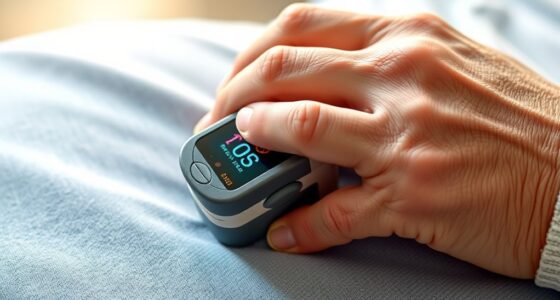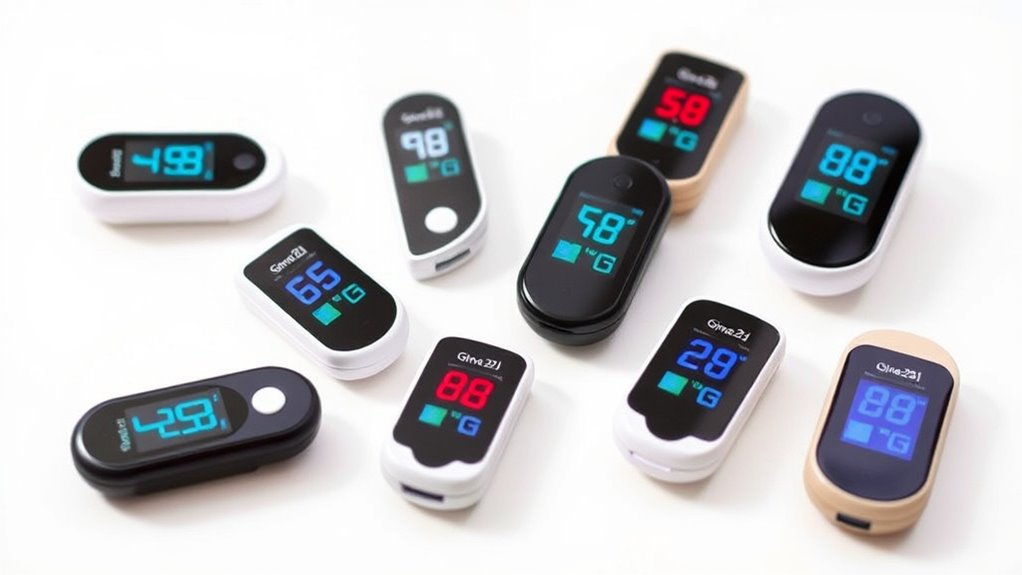

For anyone seeking a painless, hassle-free way to track blood glucose levels, no finger prick monitors have become a game-changer. Among the top options, the Continuous Glucose Monitor (CGM) System with Wearable Sensor and Reader stands out for its extended 14-day wear and clear display, making it ideal for ongoing management. The Stelo Glucose Biosensor & App by Dexcom offers up to 15 days of wear, with seamless smartphone integration and personalized insights, perfect for tech-savvy users. Meanwhile, the 2 Plus CGM Sensor – 15 Days provides a straightforward, no-frills approach with a 15-day lifespan. Each of these options balances convenience, cost, and usability differently, but all eliminate the need for finger pricks—though some come with tradeoffs such as device compatibility or sensor costs.

Get health and wellness essentials delivered free with Prime
- Fast, free delivery on millions of items
- Prime Video, Amazon Music and more included
- Member-only deals all year
Key Takeaways
- Extended sensor wear of 14-15 days reduces the need for frequent replacements.
- App integration and data insights vary, influencing usability for tech-savvy users.
- Some models are better suited for specific conditions, like non-insulin users or those on FSA/HSA plans.
- Cost and insurance coverage significantly impact long-term affordability.
- Waterproof and discreet designs enhance convenience, especially for active lifestyles.
| Continuous Glucose Monitor (CGM) System with Wearable Sensor and Reader |  | Best Overall for Extended Wear and Ease of Use | Brand: Generic | Model: Continuous Glucose Monitor (cgm) | Included Components: 50 lancets | VIEW ON AMAZON | See Our Full Breakdown |
| Stelo Glucose Biosensor & App by Dexcom – 2-Pack, Up to 15 Days Each, Compatible with iOS & Android |  | Best for Smartphone Integration and Custom Insights | Wear Time: Up to 15 days per sensor | Number of Sensors: 2 sensors per pack | Compatibility: iOS and Android | VIEW ON AMAZON | See Our Full Breakdown |
| 2 Plus CGM Sensor – Continuous Glucose Monitoring, No Finger Pricks, 15 Days |  | Best for Simplicity and Long-Term Monitoring | Brand: Generic | Included Components: 1 sensor | Manufacturer: Dexcom | VIEW ON AMAZON | See Our Full Breakdown |
| 2 Plus CGM Sensor – A Smart Alternative to Traditional Glucose Monitoring, No Finger Pricks Required, 1 Pack |  | Best for Cost-Effective Simplicity | Sensor Life: 15 days | Included Components: 1 sensor | Brand: Generic | VIEW ON AMAZON | See Our Full Breakdown |
| Lingo Continuous Glucose Monitor (CGM) by Abbott |  | Best for Pre-Diabetes and General Health Tracking | Manufacturer: Abbott | Sensor lifespan: up to 14 days | Compatibility: iOS and Android | VIEW ON AMAZON | See Our Full Breakdown |
| glucose monitor no finger prick | Brand | Included Components |
|---|---|---|
| Continuous Glucose Monitor | Generic | 50 lancets |
| Stelo Glucose Biosensor & App | — | — |
| 2 Plus CGM Sensor | Generic | 1 sensor |
| 2 Plus CGM Sensor | Generic | 1 sensor |
| Lingo Continuous Glucose Monit | — | — |
More Details on Our Top Picks
Continuous Glucose Monitor (CGM) System with Wearable Sensor and Reader
This system stands out for its up to 14-day sensor lifespan, making it a practical choice for continuous management without frequent replacements. The wireless sensor adheres discreetly to the upper arm, transmitting data directly to a color display with trend graphs—ideal for users who want detailed insights at a glance. Compared to other options, it offers a clear balance of extended wear and real-time data, though the device can be expensive and may require additional sensors beyond the included 50 lancets. It’s best suited to those who prioritize a dedicated device over smartphone app features.
Pros:- No finger pricks required
- Wireless data transmission
- Extended 14-day sensor wear
- Color display with trend graphs
Cons:- Requires replacement of sensors every 14 days
- Includes only 50 lancets
- Potentially high cost or insurance barriers
Best for: Users seeking a reliable dedicated device with extended sensor wear and easy-to-read display.
Not ideal for: Those on a tight budget or seeking full smartphone app integration without additional devices.
- Brand:Generic
- Model:Continuous Glucose Monitor (cgm)
- Included Components:50 lancets
- Sensor Duration:Up to 14 days
- Connectivity:Wireless
- Display:Color screen showing glucose level and trend graph
Our verdict“A solid choice for users who want a dedicated, long-lasting CGM with a simple, clear display.”
Stelo Glucose Biosensor & App by Dexcom – 2-Pack, Up to 15 Days Each, Compatible with iOS & Android
This pick excels in offering up to 15 days of continuous monitoring, with the added advantage of seamless smartphone compatibility via the Dexcom app. It’s particularly well-suited for users who want personalized insights, activity logging, and pattern detection, all accessible through their phones. However, it’s not ideal for users on insulin or those with unstable hypoglycemia, as it’s designed primarily for non-insulin-dependent individuals. The fact that about 20% of sensors may not last the full 15 days introduces some reliability concerns, but the waterproof feature adds to its versatility for active lifestyles.
Pros:- Up to 15 days wear per sensor
- Compatible with iOS and Android
- Waterproof up to 8 feet
- Provides detailed insights and pattern detection
Cons:- Not suitable for insulin users
- Sensor longevity varies
- Requires smartphone for full features
Best for: Tech-savvy users who prefer detailed app data and longer wear times for non-insulin management.
Not ideal for: Insulin-dependent diabetics or those without compatible smartphones.
- Wear Time:Up to 15 days per sensor
- Number of Sensors:2 sensors per pack
- Compatibility:iOS and Android
- Waterproof:Up to 8 feet
- App Features:Glucose history, spike detection, activity & food logging, Bluetooth sync
Our verdict“Ideal for users wanting long-term, app-based monitoring with comprehensive data insights.”
2 Plus CGM Sensor – Continuous Glucose Monitoring, No Finger Pricks, 15 Days
This sensor offers a straightforward approach—lasting 15 days per unit—making it suitable for those who want a simple, no-fuss solution. Its main advantage is eliminating finger pricks and providing continuous data for two weeks. However, with only one sensor included per pack, the ongoing cost could become significant, especially for frequent replacements. Customer feedback on accuracy is mixed, which suggests it may be less reliable for critical glucose management. Its simplicity appeals to those new to CGM technology or seeking a basic, long-lasting sensor.
Pros:- No finger pricks
- Long 15-day sensor life
- Easy to use and replace
Cons:- Only one sensor per pack
- Limited info on compatibility
- Mixed reviews on accuracy
Best for: Beginners or users seeking a simple, long-lasting sensor with minimal setup.
Not ideal for: Users needing extensive data or app integration, or those requiring multiple sensors regularly.
- Brand:Generic
- Included Components:1 sensor
- Manufacturer:Dexcom
- Part Number:001
- Unit Count:1
- Duration:15 days
Our verdict“Best suited for users who prioritize simplicity and extended wear over advanced features.”
2 Plus CGM Sensor – A Smart Alternative to Traditional Glucose Monitoring, No Finger Pricks Required, 1 Pack
This sensor provides a 15-day wear period and is designed for straightforward, painless glucose tracking. Its primary advantage is the long lifespan combined with the ease of use, though limited details on device compatibility and app features make it less appealing for users wanting comprehensive data management. Its high cost without insurance coverage could be a barrier, but it remains a good option for those seeking a basic, long-term sensor without the complexity of multiple devices or apps.
Pros:- Painless, continuous monitoring
- Long 15-day lifespan
- Easy to replace
Cons:- Limited device compatibility info
- No data or app features detailed
- Potentially high cost
Best for: Cost-conscious users who want a simple, no-prick solution for long-term monitoring.
Not ideal for: Users seeking detailed data, app connectivity, or those on tight budgets due to high cost.
- Sensor Life:15 days
- Included Components:1 sensor
- Brand:Generic
- Part Number:001
- Unit Count:1
Our verdict“Suitable for those prioritizing straightforward, long-term monitoring with minimal fuss.”
Lingo Continuous Glucose Monitor (CGM) by Abbott
The Lingo CGM offers real-time glucose monitoring for up to 14 days, with water resistance and broad device compatibility. It’s particularly suited for prediabetes management and general health tracking, providing actionable insights without requiring a prescription. Compared to other sensors, its water resistance and compatibility make it versatile for active lifestyles, though it’s limited to US availability and requires a smartphone for full functionality. The sensor’s lifespan and real-time data can help users optimize nutrition and prevent glucose spikes effectively.
Pros:- Painless, water-resistant sensor
- Up to 14 days of use
- Real-time data with app insights
- No prescription needed
Cons:- Limited to US market
- Requires smartphone for full features
- Sensor replacement may be needed unexpectedly
Best for: Pre-diabetes management and health-conscious users seeking a no-prick, discreet device.
Not ideal for: Insulin-dependent diabetics or users outside the US due to limited availability.
- Manufacturer:Abbott
- Sensor lifespan:up to 14 days
- Compatibility:iOS and Android
- Water resistance:Yes
- HSA/FSA eligible:Yes
- No prescription needed:Yes
Our verdict“A practical option for users aiming to improve health habits and monitor glucose trends without finger pricks.”

How We Picked
Our selection process focused on sensors that eliminate finger pricks by offering continuous glucose monitoring with extended wear periods. We prioritized products with proven reliability, user-friendly interfaces, and compatibility with smartphones or dedicated readers. Cost and insurance coverage were also key considerations, as well as user safety features such as waterproofing and sensor longevity. We aimed to highlight options suitable for different needs—whether for beginners, tech enthusiasts, or those managing prediabetes—while balancing tradeoffs like device compatibility and sensor costs.
Factors to Consider When Choosing Glucose Monitor No Finger Prick
Choosing a glucose monitor that requires no finger pricks involves balancing sensor longevity, device compatibility, and data features. Consider whether you prefer a dedicated device with a simple display or a smartphone-connected system offering detailed insights. Price, insurance coverage, and lifestyle needs also play roles, especially when evaluating long-term costs and convenience.Sensor Longevity and Wear Time
Most no-prick sensors offer between 14 to 15 days of continuous wear, reducing the frequency of replacements. Longer wear times mean fewer disruptions, but also potentially higher costs per sensor. Decide how long you want each sensor to last and whether the device’s lifespan aligns with your management style.
Device Compatibility and Data Access
Some options feature dedicated handheld readers, while others sync seamlessly with smartphones via apps. If you prefer detailed analytics, pattern detection, and logging, app-compatible sensors like the Dexcom Stelo are a good choice. Conversely, if you want a straightforward device with minimal fuss, dedicated readers like the CGM System with Wearable Sensor may suit you better.
Cost and Insurance Coverage
Price varies widely, especially with sensors that require ongoing replacements. Insurance coverage can significantly offset costs, but not all models are covered or available everywhere. Consider your budget and whether your insurance or health plan supports these devices to avoid unexpected expenses.
Additional Features and Lifestyle Fit
Features like waterproofing, discreet design, and app insights can enhance usability. For active lifestyles, waterproof and compact sensors add convenience. For health management, insights and trend graphs help optimize routines. Match these features to your daily habits and health goals.
Frequently Asked Questions
How accurate are no finger prick glucose monitors?
The accuracy of no-prick glucose monitors varies between models and depends on sensor placement, calibration, and individual physiology. Generally, CGMs provide reliable trends and approximate current glucose levels, but occasional discrepancies can occur, especially during rapid glucose changes or sensor calibration issues. It’s wise to verify critical readings with traditional blood tests if needed.
Can I use these monitors if I’m on insulin therapy?
Many no-prick CGMs are suitable for insulin users, especially those designed for diabetes management. However, some models, such as Dexcom or Abbott’s systems, are specifically approved for insulin-dependent individuals, offering more precise alerts and alarms. Always check the product specifications and consult your healthcare provider to ensure compatibility with your treatment plan.
Do I need a prescription to get these glucose sensors?
Availability depends on the product and your location. Some devices, like Abbott’s Lingo CGM, do not require a prescription in the US and are designed for general health monitoring, while others may need a healthcare provider’s approval. Verify local regulations and manufacturer guidelines before purchasing.
Are these sensors waterproof and suitable for active lifestyles?
Most modern no-prick sensors are water-resistant, allowing for activities like showering or swimming. For example, Dexcom’s and Abbott’s sensors are rated to withstand immersion up to 8 feet. However, always follow specific manufacturer instructions to maintain sensor integrity and avoid damage during vigorous activity.
What is the typical cost of these sensors, and are they covered by insurance?
Sensor costs vary, often ranging from $50 to $100 per 14- or 15-day sensor. Insurance coverage can substantially reduce out-of-pocket expenses, especially if prescribed by a healthcare provider for diabetes management. Check with your insurer and your healthcare provider to understand coverage options and any required documentation.
Conclusion
For users managing diabetes with insulin, dedicated devices with reliable accuracy, like the Continuous Glucose Monitor (CGM) System with Wearable Sensor and Reader, make the most sense. Those seeking long-term, app-based insights might prefer the Stelo Glucose Biosensor & App, especially if they are comfortable with smartphone technology. If simplicity and affordability are your priorities, the 2 Plus CGM Sensor options offer straightforward, no-fuss solutions suitable for prediabetes or general health tracking. Evaluate your lifestyle, budget, and health goals to choose the best no-prick glucose monitor for your needs.
Cold & flu season Picks
humidifiers
As an affiliate, we earn on qualifying purchases.