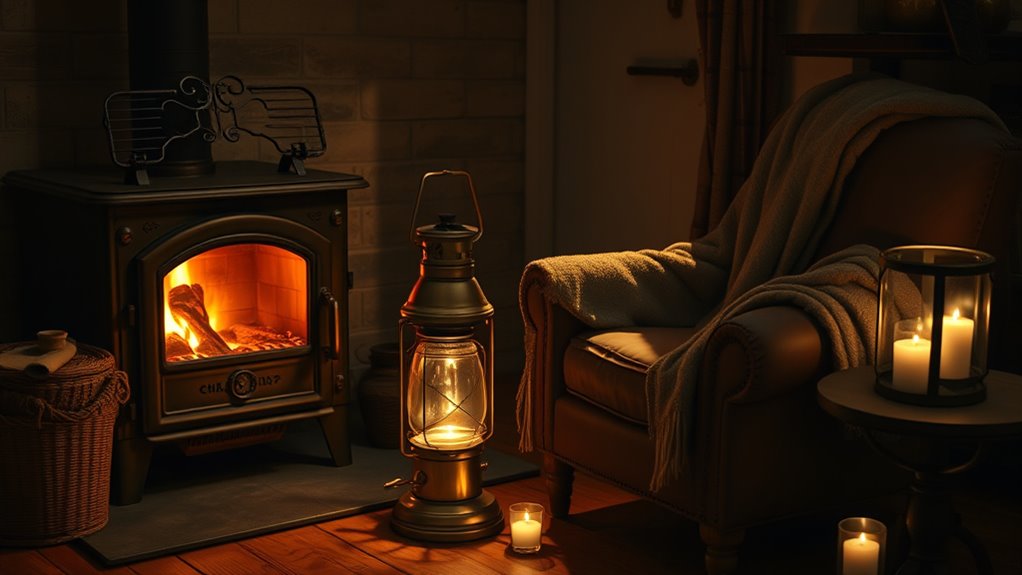

When the power goes out during cold weather, having a reliable emergency heating option becomes essential. The best choices in this category vary from portable propane units to kerosene stoves, each offering different advantages and tradeoffs. The Portable Buddy Radiant Propane Heater stands out for its portability and ease of use, while the VEVOR 9000 BTU Kerosene Heater offers versatile indoor/outdoor performance. However, these options often involve safety considerations, fuel management, and setup complexity. Keep reading to see a detailed comparison and help you choose the right emergency heat source for your needs.

Get health and wellness essentials delivered free with Prime
- Fast, free delivery on millions of items
- Prime Video, Amazon Music and more included
- Member-only deals all year
Key Takeaways
- Fuel-based heaters like propane and kerosene provide significant warmth but require careful ventilation and safe handling.
- Portability and ease of setup are major advantages for outdoor units, but indoor use demands strict safety precautions.
- The most versatile options combine heating with cooking capabilities, saving space and resources during emergencies.
- Higher BTU ratings generally mean better heat output, but also more fuel consumption and safety considerations.
- Choosing an emergency heater depends heavily on your space size, safety knowledge, and fuel availability.
| Portable Propane Heater for Camping and Outdoor Use |  | Best for Outdoor Portable Heating in Emergencies | Fuel Type: Propane | Heating Method: Radiant | Form Factor: Compact | VIEW ON AMAZON | See Our Full Breakdown |
| Mr. Heater Portable Buddy Radiant Propane Heater |  | Best for Indoor and Outdoor Emergency Heating | BTU Output: 9,000 BTU | Heating Area: 225 sq ft | Fuel Type: Propane | VIEW ON AMAZON | See Our Full Breakdown |
| VEVOR 9000 BTU Portable Kerosene Heater & Stove, 2-in-1 Indoor/Outdoor Heater with Adjustable Height and Flame |  | Best for Long-Lasting Indoor & Outdoor Heating with Cooking | BTU: 9000 | Fuel Tank Capacity: 1.3 gallons / 5 liters | Runtime: up to 20 hours | VIEW ON AMAZON | See Our Full Breakdown |
| Indoor & Outdoor Kerosene Heater, 9000 BTU Radiant Heating, Portable Non-Electric Stove for Camping, Hunting, Cooking |  | Best for Emergency Cooking and Heating without Electricity | Heat Output: 9000 BTU | Fuel Type: Kerosene | Burn Time: 16-21 hours | VIEW ON AMAZON | See Our Full Breakdown |
| Portable Propane Heater for Camping, Outdoor Small Space Patio Heater |  | Best for Small Outdoor Spaces and Emergency Outdoor Heating | Power Source: Propane (1 lb tank not included) | Heating Type: Radiant | Adjustable Heat: Yes | VIEW ON AMAZON | See Our Full Breakdown |
| Kerosene Heater for Indoor Use – Non-Electric 9000 BTU Kerosene Stove with Radiant Heat, Portable Emergency Heater for Camping, Hunting, Power Outage, Dual Purpose Cooking & Heating |  | Best for Dual-Purpose Heating and Cooking in Emergency or Outdoor Settings | Material: Stainless Steel | Heat Output: 9000 BTU | Fuel Capacity: 4.5L | VIEW ON AMAZON | See Our Full Breakdown |
| emergency home heating options without power | Fuel Type |
|---|---|
| Portable Propane Heater for Ca | Propane |
| Mr. Heater Portable Buddy Radi | Propane |
| VEVOR 9000 BTU Portable Kerose | — |
| Indoor & Outdoor Kerosene Heat | Kerosene |
| Portable Propane Heater for Ca | — |
| Kerosene Heater for Indoor Use | — |
More Details on Our Top Picks
Portable Propane Heater for Camping and Outdoor Use
This propane heater stands out for outdoor emergencies where portability and quick setup are key. Compared to the Mr. Heater Portable Buddy, it offers a more compact, foldable design, making it easier to carry in outdoor settings. However, it lacks detailed weight specifications, which could impact ease of transport. Its safety features like mesh guards and secure gas connections make it suitable for outdoor use, but it’s limited to outdoor environments and doesn’t include propane tanks, adding to the initial setup cost. The adjustable heat and rugged construction are ideal for camping, fishing, or patio warmth, but it isn’t designed for indoor use or long-term heating.
Pros:- Compact and lightweight for easy portability
- Fast, adjustable radiant heat
- Durable, rust-resistant construction
- Safe for outdoor environments with mesh guards
Cons:- Propane tanks are not included, requiring separate purchase
- Weight not specified, which may affect portability
Best for: Outdoor enthusiasts needing a lightweight, portable heat source for camping, fishing, or patio use during power outages
Not ideal for: Indoor users or those seeking a heating solution with included fuel or for continuous indoor warmth
- Fuel Type:Propane
- Heating Method:Radiant
- Form Factor:Compact
- Indoor/Outdoor Usage:Outdoor
- Adjustable Temperature:Yes
- Warranty:Not specified
Our verdict“This heater is best suited for outdoor use where portability and quick setup matter most.”
Mr. Heater Portable Buddy Radiant Propane Heater
The Mr. Heater Portable Buddy offers a reliable 9,000 BTU of radiant heat suitable for both indoor and outdoor spaces, making it a versatile choice during power outages. Unlike the portable propane heater, it includes safety features like oxygen depletion sensors and tip-over switches, providing peace of mind when used indoors. Its 225 square feet coverage is adequate for small rooms or outdoor gatherings, but it runs only about 3 hours on a 1-lb propane cylinder, which means frequent refueling in prolonged outages. Its moderate weight and safety-oriented design make it more practical for indoor use than purely outdoor models, but it’s less suited for heating larger spaces or continuous use without multiple fuel supplies.
Pros:- Provides substantial heat up to 9,000 BTU
- Includes safety features like oxygen sensors
- Portable and easy to operate in various environments
- Compatible with standard 1-lb propane bottles
Cons:- Limited coverage area of 225 sq ft
- Only about 3 hours of runtime per cylinder
- Requires separate propane purchase
Best for: Homeowners needing a portable, safe heating option for small indoor rooms and outdoor gatherings during power outages
Not ideal for: Large spaces or long-term heating needs where fuel supply and runtime are concerns
- BTU Output:9,000 BTU
- Heating Area:225 sq ft
- Fuel Type:Propane
- Safety Features:Oxygen depletion sensor, tip-over switch
- Run Time:Up to 3 hours
- Color:Red
Our verdict“This heater makes sense for those needing a safe, portable heat source for small indoor or outdoor spaces during outages.”
VEVOR 9000 BTU Portable Kerosene Heater & Stove, 2-in-1 Indoor/Outdoor Heater with Adjustable Height and Flame
This kerosene heater excels in delivering up to 20 hours of continuous warmth, making it ideal for extended outages or outdoor use, especially compared to propane options that require frequent refueling. Its 9000 BTU output heats spaces up to 30㎡ rapidly, and its ability to support outdoor cooking adds versatility. While it offers adjustable height and a sturdy flame, the need to handle kerosene fuel and the heavier weight limit its appeal for frequent portability. Its safety features are helpful, but open flame operation and fuel management require caution, especially in confined indoor spaces. This model is a strong choice for those who want long runtime and multi-use capabilities but are comfortable with kerosene handling.
Pros:- Long runtime of up to 20 hours
- Fast heating up to 9000 BTU
- Supports outdoor cooking with a sturdy surface
- Adjustable height for versatile placement
Cons:- Requires kerosene fuel, which may be less convenient
- Heavy and less portable
- Potential safety risks with open flame
Best for: Preppers or outdoor enthusiasts seeking a long-lasting, multi-purpose heater and stove for camping, hunting, or emergency indoor heating
Not ideal for: Users seeking electric or lightweight portable heaters, or those uncomfortable with kerosene fuel handling
- BTU:9000
- Fuel Tank Capacity:1.3 gallons / 5 liters
- Runtime:up to 20 hours
- Supports Cooking:Yes
- Maximum Height:17 inches
- Weight:33 lbs
Our verdict“This heater is best for users who prioritize long runtime and dual-purpose use over ease of portability or electric operation.”
Indoor & Outdoor Kerosene Heater, 9000 BTU Radiant Heating, Portable Non-Electric Stove for Camping, Hunting, Cooking
This kerosene heater combines heating and cooking in a portable package, ideal when power is unavailable. It provides consistent 9000 BTU radiant heat, capable of warming up to 15 square meters, making it suitable for small spaces or outdoor areas. Its ability to operate without electricity and support for outdoor cooking makes it stand out for emergency preparedness. However, handling kerosene involves safety concerns and inconvenience, especially for those unfamiliar with fuel management. Its limited heating area means it’s best for small or emergency use rather than large rooms. Its portability, adjustable height, and dual-functionality offer practical benefits for outdoor activities and power outages, but safety precautions are essential.
Pros:- Operates independently of electricity
- Provides long-lasting heat up to 21 hours
- Supports outdoor cooking with a sturdy surface
- Portable with adjustable height
Cons:- Requires kerosene fuel, less convenient than electric
- Open flame safety concerns
- Limited to 15 m² coverage
Best for: Preppers and outdoor users needing a combined heating and cooking device during power outages or camping
Not ideal for: Those seeking electric-powered or larger space heaters, or users who prefer minimal fuel handling
- Heat Output:9000 BTU
- Fuel Type:Kerosene
- Burn Time:16-21 hours
- Coverage Area:15 sqm
- Operation:No electricity needed
- Color:Red
Our verdict“This heater suits users who need reliable, dual-purpose heating and cooking in small spaces without power, accepting fuel handling risks.”
Portable Propane Heater for Camping, Outdoor Small Space Patio Heater
This propane heater is designed for instant outdoor warmth, perfect for small spaces like tents or patios. It offers quick radiant heat with adjustable control and a foldable tank holder, making it highly portable compared to larger kerosene models. Unlike the kerosene heaters, it does not require handling fuels like kerosene and is easier to set up, but it’s limited to outdoor use and small spaces. The absence of detailed size and weight specifications makes assessing portability difficult, and the need for a separate 1-lb tank can be inconvenient during prolonged outages. It excels in providing focused, immediate heat in outdoor settings, especially for camping or outdoor emergencies.
Pros:- Provides instant radiant heat in small outdoor spaces
- Cordless, no electricity required
- Adjustable heat control
- Foldable tank holder for portability
Cons:- Tank not included, needs separate purchase
- Limited to small outdoor areas
- Lacks detailed size and weight info
Best for: Outdoor adventurers or small outdoor space users needing a quick, portable heat source in emergencies
Not ideal for: Indoor use or heating larger areas, as it’s designed solely for outdoor, small-space heating
- Power Source:Propane (1 lb tank not included)
- Heating Type:Radiant
- Adjustable Heat:Yes
- Tank Capacity:1 lb
- Ignition:Push-button
- Included Accessories:Storage box
Our verdict“This heater is ideal for outdoor use where quick, portable warmth in small spaces is needed during power outages or camping trips.”
Kerosene Heater for Indoor Use – Non-Electric 9000 BTU Kerosene Stove with Radiant Heat, Portable Emergency Heater for Camping, Hunting, Power Outage, Dual Purpose Cooking & Heating
This kerosene heater stands out for its versatility, functioning both as a reliable heat source and a portable cooking stove. Unlike electric heaters like the Mr. Heater Portable Buddy, it doesn’t rely on power, making it ideal during extended power outages or outdoor adventures. Compared with other kerosene options, its dual-purpose design reduces the need for multiple devices, saving space and simplifying setup. However, handling kerosene requires careful safety measures, and the open flame presents risks if not used properly. Its long burn time of up to 21 hours minimizes refueling, but fuel availability and storage are considerations for anyone planning long-term use. This model is best suited for outdoor enthusiasts, off-grid households, or emergency preppers who need both heat and cooking capabilities without electricity.
Pros:- Dual-purpose design provides both heating and cooking functions
- No electricity needed, perfect for power outages and outdoor use
- Extended burn time of up to 21 hours reduces refueling frequency
- Portability with adjustable height enhances flexibility
Cons:- Requires handling and storage of kerosene, which can be inconvenient and hazardous
- Open flame increases safety concerns, especially indoors or in poorly ventilated areas
Best for: Preppers, campers, or hunters seeking a compact, dual-function emergency heater and stove that operates independently of electricity
Not ideal for: Urban residents in small apartments or those uncomfortable with handling combustible fuels and open flames
- Material:Stainless Steel
- Heat Output:9000 BTU
- Fuel Capacity:4.5L
- Burn Time:16-21 Hours
- Heating Method:Radiant
- Size:L: 33cm, W: 33cm, H: 46cm
Our verdict“This heater is ideal for those who want a reliable, multi-use solution for heating and cooking without power, provided they’re comfortable managing fuel safety.”
How We Picked
These products were evaluated based on their heating power, safety features, ease of use, portability, and fuel efficiency. We prioritized models that are reliable, versatile, and suitable for emergency scenarios where electricity is unavailable. Each product’s design, safety warnings, and user convenience were key factors, along with overall build quality and value. The ranking reflects a balance of performance and practicality, ensuring options for different needs—whether outdoor use, indoor safety, or multi-functionality.| emergency home heating options without power | Fuel Type |
|---|---|
| Portable Propane Heater for Ca | Propane |
| Mr. Heater Portable Buddy Radi | Propane |
| VEVOR 9000 BTU Portable Kerose | — |
| Indoor & Outdoor Kerosene Heat | Kerosene |
| Portable Propane Heater for Ca | — |
| Kerosene Heater for Indoor Use | — |
Factors to Consider When Choosing Emergency Home Heating Options Without Power
Selecting the right emergency home heating option without power requires understanding your specific needs and the tradeoffs involved. Consider how much space you need to heat, your safety awareness, and the availability of fuel sources. Proper ventilation and safety features are critical to prevent accidents. Additionally, think about ease of setup and maintenance, especially if you expect to rely on the heater in stressful situations. Balancing cost against safety and efficiency will help you choose the best fit for your circumstances.Heating Power and Room Size
One of the most important factors is matching the heater’s BTU rating to your space. Higher BTU units produce more heat, making them suitable for larger rooms or open areas. However, overestimating can lead to excessive fuel consumption and safety risks. Smaller spaces may only need a lower BTU model, which is safer and more manageable. Always measure your space and consider insulation to determine the right heating capacity for your emergency setup.
Fuel Type and Availability
Propane and kerosene are common fuels for these heaters, each with pros and cons. Propane is cleaner-burning and easier to store, but requires proper ventilation and a secure tank setup. Kerosene offers longer burn times and is often more cost-effective but produces more fumes and requires careful handling. Assess your fuel access and storage capacity before choosing, and always follow safety guidelines for fuel use in emergency situations.
Safety Features and Ventilation
Safety cannot be overlooked with non-electric heaters that produce combustion fumes. Look for models with automatic shut-off features, tip-over protection, and oxygen depletion sensors. Proper ventilation is essential to prevent carbon monoxide buildup, especially for indoor use. Never operate a combustion heater in a sealed space without adequate air exchange, and consider installing a carbon monoxide detector for added safety.
Portability and Ease of Use
During emergencies, you want a heater that’s straightforward to set up and move. Lightweight, compact models excel for outdoor activities or quick deployment inside a home. Features like foldable tanks or simple ignition mechanisms make operation more manageable under stress. However, highly portable units may have limited heating capacity, so balance portability with your space’s needs.
Multi-Functionality and Additional Uses
Some heaters double as cookstoves or offer other practical functions, which can be invaluable during extended outages. The ability to cook or boil water extends their usefulness beyond just heating. Keep in mind, multi-purpose units may require more careful handling and maintenance. Decide if combining heating and cooking fits your emergency preparedness plan, and choose models that meet safety standards for both functions.
Frequently Asked Questions
Can I use a kerosene heater safely indoors?
Kerosene heaters can be used indoors if they are specifically designed for indoor use and have appropriate safety features. Proper ventilation is essential to prevent dangerous fumes buildup, and the room should never be sealed completely. Always follow the manufacturer’s instructions and consider installing a carbon monoxide detector nearby. Regular maintenance and fuel handling safety are critical to prevent accidents during prolonged use.
How long can I expect a propane heater to run on a standard tank?
The runtime of a propane heater depends on its BTU rating and the size of the tank. For example, a typical small portable propane heater might run for approximately 8-12 hours on a standard 20-pound tank at moderate settings. Larger tanks extend this duration, but refilling or replacing tanks during an emergency can be challenging. Always have extra fuel stored safely and plan your usage accordingly.
Are portable heaters safe to use in small enclosed spaces?
Portable heaters that produce combustion gases should be used with caution in small enclosed spaces. They require adequate ventilation to prevent carbon monoxide buildup, which can be deadly. If you plan to use such a heater indoors, ensure it has safety features like oxygen depletion sensors, and never leave it unattended while operating. For small spaces, consider electric or radiant models designed explicitly for indoor safety, if power is available, or maximize ventilation if using combustion heaters.
What are the main safety risks with non-electric emergency heaters?
The primary risks include carbon monoxide poisoning, fire hazards, and fuel spills. Combustion heaters emit fumes that can be deadly if ventilation is inadequate. Tip-over or malfunction can cause fires, especially if placed near flammable materials. Proper handling, regular maintenance, and safety features like automatic shut-offs reduce these risks, but users must remain vigilant and follow safety protocols at all times.
How should I store fuel for emergency heaters?
Fuel storage should prioritize safety and accessibility. Store fuels like propane and kerosene in approved containers away from heat sources and direct sunlight. Keep storage areas well-ventilated and separate from living spaces to minimize risk. Always follow local regulations regarding fuel storage, and check containers regularly for leaks or damage. Having a dedicated, secure storage area ensures you have fuel ready when needed without compromising safety.
Conclusion
For most homeowners, the Mr. Heater Portable Buddy offers a balanced combination of safety, ease of use, and reliable heat, making it the best overall choice. Those seeking the most affordable and straightforward option might prefer the Indoor & Outdoor Kerosene Heater, especially if they already have experience handling fuel. For users needing maximum versatility, a model like the VEVOR 9000 BTU Kerosene Heater & Stove provides both heating and cooking, ideal for extended outages. Beginners or those unfamiliar with fuel handling should prioritize models with advanced safety features, while experienced users can explore higher BTU units for larger spaces or outdoor use. Ultimately, your choice hinges on your safety comfort, space requirements, and fuel access, but this guide aims to help you make an informed decision.
Cold & flu season Picks
humidifiers
As an affiliate, we earn on qualifying purchases.