
For strategy lovers, choosing the right board game can be a game-changer, offering hours of thoughtful play and strategic challenge. The Azul Board Game stands out as the best overall, thanks to its beautiful design and engaging mosaic placement. 7 Wonders is a top pick for its quick-paced civilization-building, while Risk appeals to those who love grand conquest. The main tradeoffs involve balancing complexity and accessibility—some games offer deep strategy but take longer to learn, while others are easier but less layered. Keep reading for a detailed breakdown of these top contenders and how they match different player preferences.

Get health and wellness essentials delivered free — and shop member deals
- Fast, free delivery on millions of items
- Access to Prime Big Deal Days deals on October 6–7
- Prime Video, Amazon Music and more included
Key Takeaways
- Strategic depth varies widely; some games like Everdell and Spirit Island offer complex decision-making, while others like Othello are simpler to grasp.
- Player count influences game choice; many top picks like 7 Wonders and Catan work well with larger groups, while 7 Wonders Duel excels for two players.
- Design and theme matter; visually stunning options like Azul enhance the experience, but may add to setup time.
- Learning curve is key; some games are quick to learn but less strategic, whereas others require investment but pay off with richer gameplay.
- Value and replayability are crucial; games like Carcassonne and Wingspan offer high replay value at different price points.
| Azul Board Game |  | Best Quick Strategy Game | Players: 2–4 | Recommended age: 8+ | Playtime: 30–45 minutes | VIEW ON AMAZON | See Our Full Breakdown |
| Trekking the National Parks |  | Best Family Strategy Pick | Players: 1–5 | Recommended age: 10+ | Playtime: 30–60 minutes | VIEW ON AMAZON | See Our Full Breakdown |
| Ravensburger Othello |  | Best for Beginners | Players: 2 | Recommended age: 8+ | Game format: Head-to-head competition | VIEW ON AMAZON | See Our Full Breakdown |
| Everdell Board Game |  | Best Overall for Adults | Players: 1–4 | Recommended age: 14+ | Primary mechanism: Worker placement | VIEW ON AMAZON | See Our Full Breakdown |
| Catan Board Game, 6th Edition |  | Best for Social Strategy | Players: 3–4 | Recommended age: 10+ | Playtime: 60–90 minutes | VIEW ON AMAZON | See Our Full Breakdown |
| A Place for All My Books Board Game by Smirk & Dagger |  | Best Overall for Casual Strategy and Thematic Play | Players: 1–4 | Ages: 10+ | Components: 130 illustrated book tiles, four apartment mats, tokens, village board | VIEW ON AMAZON | See Our Full Breakdown |
| Asmodee 7 Wonders Board Game (New Edition) |  | Best for Civilization Building with Quick Play | VIEW ON AMAZON | See Our Full Breakdown | |||
| Charcuterie Board Game by 3WS | 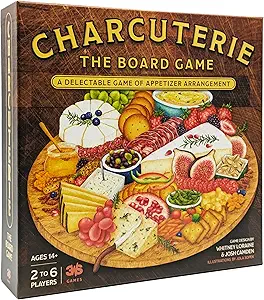 | Best for Foodie Families and Casual Strategy Play | Number of Players: 2-6 | Ages: 14+ | Theme: Food and Culinary | VIEW ON AMAZON | See Our Full Breakdown |
| Asmodee 7 Wonders Duel Board Game BASE GAME |  | Best for Intense Head-to-Head Civilizations | VIEW ON AMAZON | See Our Full Breakdown | |||
| Risk Board Game |  | Best Classic Strategy for Family and Adult Players | VIEW ON AMAZON | See Our Full Breakdown | |||
| Spirit Island: Base Game |  | Best Cooperative Strategy for Adults | Number of Players: 1 to 4 | Play Time: 90+ Minutes | Ages: 14+ | VIEW ON AMAZON | See Our Full Breakdown |
| Wingspan (Base Game) by Elizabeth Hargrave |  | Best for Nature-Themed Strategy & Solo Play | Players: 1-5 | Playtime: 70 mins | Theme: Bird collecting and nature | VIEW ON AMAZON | See Our Full Breakdown |
| Carcassonne Board Game – Tile Placement Strategy for Adults & Families |  | Best Family & Casual Strategy with Simple Rules | Players: 2-5 | Playtime: 35 minutes | Ages: 7+ | VIEW ON AMAZON | See Our Full Breakdown |
| Asmodee Splendor Board Game – Gem Trading & Engine-Building Strategy for Adults & Families |  | Best Quick & Accessible Engine-Building Game | Players: 2-4 | Ages: 10+ | Playtime: 30 minutes | VIEW ON AMAZON | See Our Full Breakdown |
| Stratego – Original Strategy Board Game for 2 Players, Ages 8+ |  | Best Classic Two-Player Wargame for Adults & Kids | Brand: Jumbo | Genre: Strategy, Wargame | Number of Players: 2 | VIEW ON AMAZON | See Our Full Breakdown |
More Details on Our Top Picks
Azul Board Game
I rank Azul as the strongest choice for players who want meaningful decisions without reserving an entire evening. Drafting tiles creates a sharp push-and-pull: every selection advances my mosaic while potentially handing an opponent the exact color they need. Compared with Everdell’s heavier card combinations, Azul is easier to bring to a mixed-skill adult game night and finishes in roughly half the time. Its attractive pieces also make the scoring puzzle easier to read across the table. The tradeoff is that the friendly presentation hides a fairly punitive game; unwanted tiles can produce severe penalties, and direct blocking may frustrate relaxed groups. With no solo mode and a four-player ceiling, it is less flexible than Trekking the National Parks, but its depth-to-playtime ratio earns this role.
Pros:- Tile drafting creates meaningful offensive and defensive choices
- 30–45-minute sessions fit easily into weeknight game nights
- High-quality mosaic tiles provide a clear and attractive play state
- Rules support mixed groups while leaving room for skilled play
Cons:- Penalty scoring and deliberate blocking can feel harsh
- Pattern and scoring rules require a learning game for some newcomers
- No official solo play in the base game
Best for: Adults and families who want a tactical, visually polished strategy game that finishes in under an hour
Not ideal for: Solo players or conflict-averse groups, since the game requires opponents and rewards denying them useful tiles
- Players:2–4
- Recommended age:8+
- Playtime:30–45 minutes
- Primary mechanism:Tile drafting and pattern placement
- Theme:Portuguese mosaic art
- Game mode:Competitive multiplayer
- Award:2018 Spiel des Jahres
Our verdict“I recommend Azul to adults who want concentrated tactical competition with less setup and time commitment than a heavier strategy game.”
Trekking the National Parks
I place Trekking the National Parks here for households that need strategic choices to remain approachable across generations. Its map, illustrated cards, and route planning give players clear goals, while the national-park theme adds educational value without turning play into a lesson. It accommodates one to five players, making it more flexible than Azul or Catan, and the included solo mode gives it value outside scheduled game nights. Strategy lovers should recognize that this is the gentler option: compared with Everdell, its decisions are less layered, and card availability can steer plans more than careful engine building. Sessions may also stretch near an hour with a full table. I would choose it for accessibility and range rather than competitive intensity; its family-friendly planning is the main reason it makes the list.
Pros:- Supports solo play and groups of up to five
- Map-based planning gives younger players understandable strategic goals
- National-park artwork and information add educational interest
- Wooden pieces and illustrated cards suit repeated family play
Cons:- Offers less strategic depth than Everdell or Azul
- Card availability can introduce luck into route plans
- Five-player sessions may run long for younger participants
Best for: Families with children aged 10 or older who want light route planning, educational flavor, and support for solo or group play
Not ideal for: Experienced adult groups seeking dense interaction or highly controllable long-term strategy
- Players:1–5
- Recommended age:10+
- Playtime:30–60 minutes
- Modes:Solo and multiplayer
- Primary activity:Map movement and route planning
- Components:Illustrated cards, wooden pieces, and detailed map
- Award:Mensa Select
Our verdict“I recommend Trekking the National Parks for families that value broad accessibility and flexible player counts more than demanding adult strategy.”
Ravensburger Othello
I give Ravensburger Othello the beginner role because its core action—place a disc and trap opposing pieces—is quick to explain but supports careful positional play. Unlike Catan, it requires no resource economy, trading, or dice management, so two adults can reach meaningful competition within minutes. The compact board and slide-out storage also make it better suited to travel than Everdell’s component-heavy setup. That simplicity comes with boundaries: Othello serves exactly two players, offers no solo system, and its abstract presentation provides little thematic appeal. New players may also misjudge early moves because the final board position matters far more than an early lead. I rank it below richer modern designs for variety, yet its clean head-to-head tactics make it the easiest entry point for budding strategy lovers.
Pros:- Simple rules create a low barrier to strategic play
- Disc flipping supports tactical reversals and forward planning
- Compact board works well for travel and small tables
- Slide-out drawers keep pieces organized between matches
Cons:- Strictly limited to two players
- Abstract gameplay may feel repetitive to theme-focused groups
- No dedicated solo mode
Best for: Two-player households, couples, or beginners who want fast abstract strategy with very few rules
Not ideal for: Groups of three or more and theme-driven players who prefer narrative, varied powers, or resource management
- Players:2
- Recommended age:8+
- Game format:Head-to-head competition
- Primary mechanism:Disc placement and flipping
- Board design:Compact board
- Storage:Slide-out drawers on both player sides
- Portability:Designed for travel and quick cleanup
Our verdict“I recommend Othello to two adults or older children who want an inexpensive-feeling rules load with lasting tactical depth.”
Everdell Board Game
I rank Everdell as the best overall choice for adult strategy lovers because worker placement and tableau building create both immediate competition and long-range planning. Each worker assignment affects access to resources, while more than 120 cards support varied combinations across repeat sessions. Compared with Azul, Everdell asks for a larger rules investment but rewards it with richer strategic development; compared with Catan, players have more control over building a personal engine rather than relying heavily on dice and negotiation. Premium artwork and the 3D Ever Tree strengthen its table presence, though they also demand more setup and space. Card interactions can overwhelm newcomers, and an unlucky selection may limit an intended combination. Even with those drawbacks, its solo support, replayability, and adult-friendly decision depth give it the broadest appeal among the heavier picks.
Pros:- Worker placement and tableau building create layered strategic decisions
- More than 120 cards support varied combinations and repeat play
- Solo and multiplayer modes suit different game-night needs
- Premium artwork and components create a distinctive table presence
Cons:- Card interactions and iconography present a steep opening learning curve
- Setup and the 3D tree require substantial table space
- Card availability can disrupt a carefully planned engine
Best for: Adult and teen strategy fans who enjoy building card combinations, competing for limited actions, and replaying a game to refine plans
Not ideal for: First-time hobby gamers or groups wanting a short, low-setup game with immediately transparent choices
- Players:1–4
- Recommended age:14+
- Primary mechanism:Worker placement
- Secondary mechanism:Tableau building
- Cards:More than 120 illustrated cards
- Modes:Solo and multiplayer
- Theme:Woodland civilization
- Display component:3D Ever Tree
Our verdict“I recommend Everdell as the lead pick for adults who want a richer, more replayable strategy game and accept extra rules and setup.”
Catan Board Game, 6th Edition
I choose Catan, 6th Edition for groups that want strategy to happen both on the board and around the table. Resource gathering, road placement, settlement building, and player trading create a social contest that Azul’s silent drafting and Othello’s abstract duel cannot match. The modular island layout changes resource access from game to game, so adults must adapt their opening plans instead of repeating a fixed route. Yet Catan is less controlled than Everdell: dice rolls can starve a sound position, and negotiation often favors confident traders. It also needs three or four players, takes 60–90 minutes, and may produce downtime when trades drag. I would not make it the lead pick for pure tactical control, but its negotiation-driven competition gives it a clear role for lively adult game nights.
Pros:- Trading creates direct social interaction and flexible dealmaking
- Modular board changes resource patterns between sessions
- Multiple paths to 10 points support adaptive planning
- Resource and building systems are accessible to mixed-skill groups
Cons:- Dice results can overpower strong positional decisions
- Base game does not support solo or two-player sessions
- Negotiation and turn downtime can lengthen play
Best for: Adult friend groups and families with older children who enjoy negotiation, shifting alliances, and adapting to variable resources
Not ideal for: Two-player households or strategy purists who dislike dice-driven outcomes and persuasive trading
- Players:3–4
- Recommended age:10+
- Playtime:60–90 minutes
- Edition:6th Edition
- Victory target:10 points
- Board format:Modular island
- Primary mechanisms:Resource gathering, building, and trading
Our verdict“I recommend Catan to adults who want negotiation and table talk at the center of strategy, provided they accept luck and a three-player minimum.”
A Place for All My Books Board Game by Smirk & Dagger
This game stands out for its charming book-themed design and accessible gameplay, making it ideal for casual players and families who want a cozy, quick strategy experience. Compared to 7 Wonders, which offers more complex civilization-building, A Place for All My Books provides a lighter, more thematic experience that’s easy to set up and replay. Its quick 15-20 minute sessions suit players looking for a relaxing, non-intimidating game, but its simplicity might leave hardcore gamers wanting more depth. The tactile, beautiful components enhance engagement, and the solo mode adds flexibility for quiet moments. However, the limited complexity means it won’t satisfy those seeking intense strategic challenge or long sessions.
Pros:- Beautiful, tactile components that enhance thematic immersion
- Quick and replayable sessions ideal for casual or family play
- Suitable for solo and multiplayer gameplay, offering flexibility
Cons:- Limited complexity may not satisfy advanced gamers seeking depth
- Short game length might feel unsatisfying for those wanting longer sessions
Best for: Families and casual gamers who love books, reading, or collecting themes and want quick, engaging gameplay.
Not ideal for: Hardcore strategy enthusiasts who prefer complex rule sets and longer, more involved sessions.
- Players:1–4
- Ages:10+
- Components:130 illustrated book tiles, four apartment mats, tokens, village board
- Playtime:15–20 minutes per player
- Awards:2026 Origins Award Nominee for Best Gateway Game
Our verdict“This game makes the most sense for families and casual players who want a cozy, quick strategy experience themed around books.”
Asmodee 7 Wonders Board Game (New Edition)
This edition of 7 Wonders shines for its elegant drafting mechanics and engaging civilization-building, making it a top pick for adult strategy fans who enjoy resource management and long-term planning. Unlike Risk, which focuses on conquest, 7 Wonders emphasizes development, technological progress, and cultural achievements. Its 30-minute gameplay with 3-7 players offers a fast-paced yet deep experience that balances complexity with accessibility. While it’s more strategic than simpler filler games, some players might find the card drafting and multiple paths to victory overwhelming initially. Its broad appeal to both casual and experienced players makes it versatile, but the game’s reliance on card drafting can slow down new players learning the rules.
Pros:- Elegant card drafting mechanics that promote strategic planning
- Fast gameplay suitable for casual and serious players alike
- Highly replayable with multiple paths to victory
Cons:- Learning curve may challenge new players unfamiliar with drafting
- Limited player count may reduce the social interaction for larger groups
Best for: Adults and experienced gamers who enjoy civilization-building and strategic resource management in a quick format.
Not ideal for: Players seeking highly complex, historically detailed simulations or those looking for longer gaming sessions.
Our verdict“Ideal for adults who want a strategic civilization game with quick sessions and high replay value.”
Charcuterie Board Game by 3WS
This game combines culinary creativity with tactical tile placement, making it a delightful choice for food lovers and casual gamers. Unlike A Place for All My Books, which centers on theme and storytelling, Charcuterie emphasizes spatial planning and visual presentation, appealing to players who enjoy fast-paced, visually engaging gameplay. Its simple drafting and placement mechanics mean it’s accessible for teenagers and adults but may lack the depth needed by serious strategists. The colorful components and food theme make it a charming social activity, perfect for dinner parties or family game nights. However, its straightforward rules and limited complexity mean it won’t satisfy those seeking a more involved strategic challenge or longer game times.
Pros:- Visually appealing and colorful components enhance thematic immersion
- Simple, engaging tile drafting for quick, tactical decisions
- Great for social settings like dinner parties and family nights
Cons:- Limited strategic depth for players seeking complex gameplay
- Player count restrictions may limit larger groups
Best for: Foodie families and casual players who want to combine culinary fun with light strategy and quick rounds.
Not ideal for: Hardcore gamers seeking complex, multi-layered strategies or longer, more involved gameplay sessions.
- Number of Players:2-6
- Ages:14+
- Theme:Food and Culinary
- Gameplay:Tile drafting and spatial planning
Our verdict“This pick works best for food enthusiasts and casual players looking for quick, fun culinary-themed gameplay.”
Asmodee 7 Wonders Duel Board Game BASE GAME
This two-player version of 7 Wonders delivers an intense, head-to-head strategic challenge focused on resource management, military, and scientific dominance. It’s a perfect choice for adult strategy lovers who enjoy direct competition and deep tactical decision-making. Compared with the multiplayer 7 Wonders, the Duel version condenses the experience into a tight 30-minute duel, emphasizing psychological tactics and strategic planning. Its victory conditions—military conquest, scientific supremacy, or points—offer multiple routes to victory, keeping players engaged. However, the game’s narrow focus on two players and the need for careful planning might make it less appealing for those who prefer group play or more casual, social experiences. It’s ideal for couples or dedicated gaming duos.
Pros:- Deep, tactical gameplay with multiple victory pathways
- Short, 30-minute sessions perfect for quick gaming bursts
- Highly replayable with strategic depth for two players
Cons:- Limited to two players, reducing social interaction with groups
- Steep learning curve for newcomers unfamiliar with drafting and resource management
Best for: Adults and couples who prefer head-to-head, strategic dueling with a manageable time commitment.
Not ideal for: Larger groups or players seeking a casual, social game with more player interaction beyond two-person rivalry.
Our verdict“This game is best suited for strategic duos who want a fast, intense civilization battle in a compact format.”
Risk Board Game
Risk remains a staple for those who enjoy long, military-themed conquest games. While it offers a different strategic experience from 7 Wonders Duel or A Place for All My Books, its focus on territorial control and alliances appeals to players who enjoy sprawling, high-stakes battles. The inclusion of accessories like dice, cards, and even Alexa integration adds modern twists, but the core gameplay involves complex rules and negotiation, which can be daunting for newcomers or casual players. Its longer playtime and strategic depth make it less suitable for quick sessions but perfect for those seeking a classic, immersive conquest experience with a broad player range. It’s a good choice for players who enjoy epic, longer-lasting strategy battles.
Pros:- Classic, well-established game with deep strategic gameplay
- Includes various accessories and modern features like Alexa compatibility
- Suitable for a wide age range and multiple players
Cons:- Complex rules may challenge new or younger players
- Longer playtime can be a barrier for casual or busy groups
Best for: Serious strategy players and families who enjoy multi-hour, territorial conquest games with a historical feel.
Not ideal for: Casual gamers or those looking for quick, simple strategy experiences or family-friendly shorter games.
Our verdict“Best suited for dedicated strategy enthusiasts who enjoy immersive, long-form conquest games with a rich history theme.”
Spirit Island: Base Game
Spirit Island stands out for its rich theme of defending an island from invaders, offering an immersive cooperative experience. Compared with more straightforward games like Carcassonne, it demands deeper strategic planning and teamwork, making it ideal for adult players seeking complexity. Its variety of spirits and adversaries ensure high replayability, but this depth can be overwhelming for newcomers or younger players. The game’s long setup and session times are a tradeoff for its strategic richness and thematic depth.
Pros:- Highly thematic with diverse spirits and enemies
- Offers a deep cooperative experience for strategic minds
- Extremely replayable with various scenarios
Cons:- Steep learning curve for beginners
- Long setup and playtime can be a barrier for casual gaming
Best for: Adults who enjoy complex, thematic cooperative games with high replay value
Not ideal for: Players seeking quick, casual games or those new to strategy games due to its complexity
- Number of Players:1 to 4
- Play Time:90+ Minutes
- Ages:14+
Our verdict“This game is perfect for adults craving a challenging, thematic cooperative experience with plenty of strategic depth.”
Wingspan (Base Game) by Elizabeth Hargrave
Wingspan combines beautiful artwork with a strategic engine-building mechanic, making it appealing for adults who enjoy thematic depth similar to Everdell. While it offers engaging bird collection mechanics, the game’s setup and multiple scoring layers can feel complex for newcomers or casual players, especially if they prefer quick sessions. Its solo mode and high replay value make it a flexible choice, but the detailed components and extended playtime might be a hurdle for some.
Pros:- Stunning artwork and thematic immersion
- High replayability with numerous bird cards and scoring goals
- Includes a robust solo mode
Cons:- Can be complex to learn for new players
- Game length may be lengthy for casual sessions
Best for: Adults who appreciate nature themes and detailed strategic planning, including solo players
Not ideal for: Casual gamers or those seeking a quick, light game without much setup
- Players:1-5
- Playtime:70 mins
- Theme:Bird collecting and nature
- Awards:Kennerspiel des Jahres 2019
- Designer:Elizabeth Hargrave
- Publisher:Stonemaier Games
Our verdict“This game is a great pick for adults who love nature themes and detailed engine-building mechanics, especially if they play solo or enjoy high replay value.”
Carcassonne Board Game – Tile Placement Strategy for Adults & Families
Carcassonne excels at blending accessible tile placement with strategic depth, making it ideal for families or casual adult gamers. Unlike Splendor, which emphasizes resource management, Carcassonne’s focus on spatial strategy and area control offers a more visual and spatial challenge. The mini-expansions add variety but keep the core rules straightforward. Its shorter playtime and simple mechanics make it less suitable for players seeking complex, long-term strategic planning.
Pros:- Easy to learn with quick setup
- Replayable with randomized tile draws for variety
- Includes mini-expansions for added gameplay
Cons:- Limited complexity may disappoint seasoned gamers
- Not suitable for larger groups beyond five players
Best for: Families or casual gamers who want a quick, engaging strategy game with visual appeal
Not ideal for: Serious gamers seeking complex or highly competitive strategy experiences
- Players:2-5
- Playtime:35 minutes
- Ages:7+
- Includes:Mini-expansions: The Abbot and The River
Our verdict“This game fits well for families or casual adults looking for a quick, visually appealing strategy experience without steep learning curves.”
Asmodee Splendor Board Game – Gem Trading & Engine-Building Strategy for Adults & Families
Splendor offers a streamlined, quick-playing engine-building experience that appeals to adults and families alike. Compared with Spirit Island, which is more complex and cooperative, Splendor is easier to learn and faster to play, making it ideal for casual strategy sessions. Its focus on resource management and strategic card purchases creates shifting tactics game to game, but its simpler theme and mechanics may leave seasoned gamers seeking more depth. The game’s limited player count and straightforward theme are tradeoffs for its quick, accessible gameplay.
Pros:- Very easy to learn with quick setup
- Provides satisfying engine-building mechanics
- Highly replayable with variable strategies
Cons:- Limited to 2-4 players, restricting larger groups
- May feel too simple for experienced gamers
Best for: Adults and families wanting a fast, engaging strategy game with simple rules
Not ideal for: Players seeking deep thematic narratives or complex resource management
- Players:2-4
- Ages:10+
- Playtime:30 minutes
- Theme:Renaissance gem trading
- Made in:USA or Imported
Our verdict“This game is perfect for adults and families seeking a quick, accessible strategy experience that still offers meaningful choices.”
Stratego – Original Strategy Board Game for 2 Players, Ages 8+
Stratego remains a compelling choice for two players who enjoy classic wargame mechanics, emphasizing hidden information and strategic planning. Unlike Splendor or Carcassonne, which rely more on resource management or spatial placement, Stratego challenges players to anticipate and outmaneuver opponents. Its simple rules and engaging gameplay make it accessible for younger players, but the game’s reliance on fixed pieces limits strategic flexibility compared to more open-ended games. The small pieces might be a concern for younger children or those with dexterity issues.
Pros:- Engages players with strategic planning and bluffing
- Includes comprehensive components for immersive play
- Suitable for children and adults aged 8+
Cons:- Requires two players, limiting solo or group variants
- Small game pieces may be difficult for younger children
Best for: Two players, including families or adults seeking a straightforward, tactical game
Not ideal for: Solo players or groups looking for multiplayer or more complex strategic options
- Brand:Jumbo
- Genre:Strategy, Wargame
- Number of Players:2
- Minimum Age:8
- Estimated Playing Time:45 Minutes
Our verdict“Stratego offers a classic, two-player tactical experience that appeals to both adults and kids, but it’s less suited for solo play or larger groups.”

How We Picked
These board games were selected based on a combination of strategic complexity, replayability, ease of learning, and appeal to adult players. We prioritized games that challenge players’ planning abilities without overwhelming newcomers, balancing depth with accessibility. Durability and quality of game components also influenced the ranking, as strategy games often see frequent play. Our evaluation considered player reviews, expert opinions, and community popularity, ensuring each pick offers a compelling experience for adults who want meaningful strategic engagement. The ranking reflects a mix of high-end options and accessible choices, catering to a range of preferences and budgets.
Factors to Consider When Choosing Board Games For Strategy Lovers
Choosing the right strategy board game involves more than just picking the most popular title. To ensure long-term enjoyment, consider factors like complexity, player count, theme, and game length. A well-chosen game should match your group’s experience level and preferred play style. Avoid games that are too complicated if you’re just starting out, but don’t shy away from investing in deeper options if your group craves complexity. Making informed decisions now will lead to more satisfying game nights and repeat plays.
Complexity and Learning Curve
Some strategy games are quick to learn but offer limited depth, such as Othello, making them ideal for casual players or those new to strategy gaming. Others like Spirit Island or Everdell require a significant time investment to master, which appeals to more experienced players. Consider your group’s familiarity with strategy games and choose accordingly to avoid frustration or boredom. Remember, a game that’s too complex may discourage newcomers, while overly simple options might lack replayability for seasoned players.
Player Count and Group Size
Some titles perform best with larger groups, such as Catan or 7 Wonders, which can host up to 7 players. Conversely, games like 7 Wonders Duel or Othello are designed for two, offering a more intense head-to-head experience. When selecting a game, consider how many players typically participate to ensure everyone can join in without waiting or feeling left out. Multi-player dynamics can also influence the strategic complexity, as more players often mean more unpredictable interactions.
Theme and Aesthetic Appeal
Thematic elements can significantly enhance engagement. For instance, Azul offers beautiful tile patterns and an artistic design that appeals visually, adding to the enjoyment. While theme alone doesn’t dictate strategic depth, it can influence how invested players feel during the game. Some players prefer historical or fantasy themes, while others focus purely on mechanics. Striking a balance between attractive design and meaningful gameplay often results in the most satisfying experience.
Game Length and Pacing
Strategic games vary from quick 30-minute sessions like Splendor to longer, more involved plays such as Spirit Island. Consider how much time you want to dedicate per session and whether you prefer quick, repeatable plays or epic campaigns. Fast-paced games are great for casual nights, but deeper games reward players who enjoy extended decision-making. Knowing your group’s tolerance for longer game sessions helps prevent fatigue and keeps everyone engaged.
Price and Value
Price varies widely across strategy games, with some premium titles costing over $50, while others like Othello or Risk are more affordable. Think about how often you’ll play and whether investing in a more expensive game offers enough replay value. High-quality components and expansions can add longevity but may drive up costs. Balancing budget with expected use ensures you get the best bang for your buck and long-term satisfaction.
Frequently Asked Questions
Are strategy board games suitable for casual players?
Many strategy games are accessible enough for casual players, especially lighter options like Azul or Splendor, which have straightforward rules but still offer strategic choices. However, some titles like Spirit Island or Everdell are more complex and better suited for players who enjoy a deeper challenge. If your group is new to strategy games, starting with simpler options can help build confidence before moving on to more involved titles. Ultimately, the right game depends on your group’s experience level and patience for learning new mechanics.
Can these games be played with children or only adults?
Several of the listed games are suitable for older children and teenagers, such as Othello, Risk, or 7 Wonders, which typically recommend ages 10 and up. Games like Azul and Carcassonne are also family-friendly, making them versatile choices for mixed-age groups. For younger children, simpler games with less strategic complexity are better, but many of these titles can be enjoyed by teenagers and adults alike. Always check the recommended age to ensure the game suits your players’ maturity and understanding.
What are the benefits of choosing a tile-placement strategy game?
Tile-placement games like Carcassonne or Azul emphasize spatial reasoning and planning, which can sharpen strategic thinking. They often offer quick rounds and high replayability because each game unfolds differently based on tile draws or placements. These games typically have straightforward rules, making them accessible but still engaging. They also tend to be visually appealing, enhancing the overall experience. For players who enjoy pattern recognition and tactical positioning, tile-placement games provide a satisfying mix of simplicity and depth.
Is it better to choose a game with expansion options or stick to the base set?
Expansions can significantly extend the lifespan and complexity of a strategy game, adding new mechanics, themes, and variability. If you’re committed to a game like 7 Wonders or Catan, expansions can keep the experience fresh and challenging. However, they also increase the cost and complexity, possibly making the game less accessible for casual players. If you’re new or prefer to keep setups simple, sticking with the base game might be more practical. Consider your gaming habits and whether you enjoy investing in additional content before opting for expansions.
Conclusion
For adult players seeking the best overall experience, Azul offers a perfect blend of aesthetics and strategic depth. Those prioritizing value and replayability may find Carcassonne or Splendor to be excellent choices without stretching the budget. Beginners or groups new to strategy gaming should consider Othello or Risk, which are easier to learn yet still provide engaging gameplay. For dedicated enthusiasts who want a premium, in-depth challenge, titles like Spirit Island or Everdell stand out. Ultimately, selecting the right game hinges on your group’s preferences for complexity, theme, and playtime.
Fall Picks
fall essentials
As an affiliate, we earn on qualifying purchases.