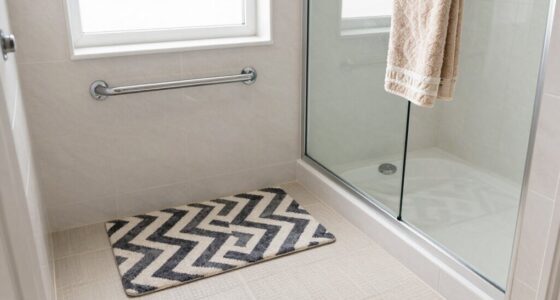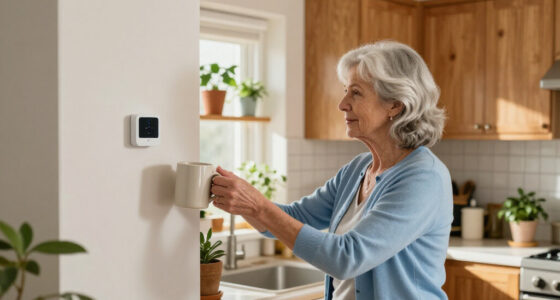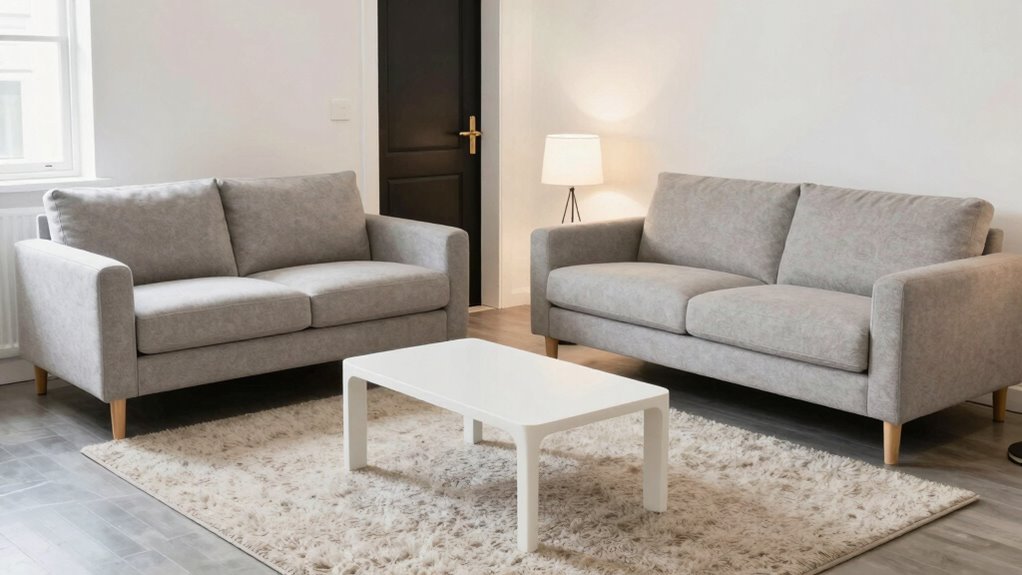

To make furniture placement safer for daily mobility, position items to keep pathways clear and accessible, avoiding clutter and obstacles. Arrange furniture so walkways are wide and unobstructed, promoting smooth movement and reducing strain. Use ergonomic placement to prevent awkward angles or stretching. Guarantee lighting illuminates pathways and key areas, helping you see obstacles easily. Properly arranged furniture not only enhances safety but also promotes better posture. Keep exploring for more tips on creating a safer, more accessible environment.

Get health and wellness essentials delivered free with Prime
- Fast, free delivery on millions of items
- Prime Video, Amazon Music and more included
- Member-only deals all year
Key Takeaways
- Arrange furniture to create wide, unobstructed pathways for easy, safe movement throughout the space.
- Place frequently used items within easy reach to minimize stretching and bending hazards.
- Use proper lighting to illuminate walkways and furniture edges, reducing trip and fall risks.
- Keep pathways clear of clutter and obstacles to ensure safe navigation.
- Position furniture to support ergonomic posture and prevent awkward movements during daily activities.

Ensuring your furniture is arranged safely is essential for maintaining smooth and risk-free daily mobility. When you focus on ergonomic design, you create a space that supports your movements and reduces strain. For example, placing frequently used items within easy reach prevents unnecessary stretching or bending, which can cause discomfort or accidents over time. Chairs and sofas should be positioned to promote proper posture, avoiding awkward angles that might lead to injury. Keep pathways clear and wide enough for comfortable passage, especially if you or family members have mobility challenges. This proactive approach minimizes clutter, making your home safer and more accessible. Incorporating sound vibrations into your design choices can also serve as a reminder of strength and wisdom, fostering a positive environment.
Arrange furniture for safe, accessible movement and reduce strain through ergonomic placement.
Lighting improvements play a crucial role in furniture placement safety. Poor lighting can obscure obstacles, increasing the likelihood of trips and falls. You should aim to illuminate key areas like walkways, staircases, and around furniture edges. Installing adjustable lighting or adding nightlights can help you navigate your space more confidently at night or during low-light conditions. When positioning furniture, consider how natural light flows into your room and enhance it with well-placed lamps. Bright, well-distributed lighting ensures you can see potential hazards clearly, enabling you to avoid them effortlessly. Additionally, proper lighting can enhance overall safety by reducing shadows and blind spots that might hide obstacles. Incorporating environmental awareness into your planning can further help identify and eliminate hazards before they become problematic.
Frequently Asked Questions
How Can I Improve Lighting to Enhance Furniture Safety?
You can improve lighting by installing smart lighting with motion sensors. These lights automatically turn on when you enter a room or approach furniture, reducing the risk of trips and falls. Choose adjustable brightness settings to suit your needs and guarantee pathways stay well-lit at all times. Smart lighting enhances safety by providing consistent illumination, making it easier to navigate your space comfortably and confidently during daily activities.
What Are the Best Materials for Non-Slip Furniture Surfaces?
You should opt for non-slip coatings like rubberized paint or textured surfaces such as silicone pads on furniture to prevent slips. Imagine walking confidently on a surface that feels secure under your feet, even if it’s wet or slick. These materials provide excellent grip, reducing accidents. Textured surfaces and durable non-slip coatings work together to keep furniture stable and safe for daily mobility, giving you peace of mind.
How Often Should I Reassess Furniture Placement for Safety?
You should reassess your furniture arrangement every six months or whenever your mobility needs change. Regular accessibility planning helps identify potential hazards and guarantees your space remains safe. Changes in health, new furniture, or household members can affect safety, so staying proactive is key. By routinely reviewing your layout, you can prevent accidents and maintain an environment that supports your daily mobility and independence efficiently.
Are There Specific Furniture Styles That Are Safer for Mobility?
You might find that furniture with sleek, modern designs often offers better mobility, but if you love a vintage aesthetic, opt for pieces with rounded edges and low profiles to reduce tripping hazards. Stylish designs that prioritize open space can also improve safety. Avoid bulky or ornate furniture that blocks pathways. Balancing aesthetics with practicality makes certain your space remains both beautiful and safe for daily mobility.
How Do I Prevent Furniture From Tipping Over?
You prevent furniture from tipping over by ensuring better furniture stability and practicing tipping prevention. Anchor heavy items like dressers and bookshelves to the wall, especially if they’re tall or top-heavy. Use anti-tip straps or brackets to secure furniture pieces that might shift easily. Keep pathways clear, avoid placing heavy objects on unstable surfaces, and regularly check that furniture remains secure. These steps help reduce tipping risks and promote safer mobility in your space.
Conclusion
By rearranging your furniture thoughtfully, you’re not just tidying up your space—you’re creating a safer environment for daily movement. Pay attention to clear pathways, secure loose rugs, and choose appropriately placed furniture to prevent accidents. Remember, a well-organized space is worth its weight in gold, helping you move effortlessly and confidently every day. Don’t wait until someone stumbles—take action now to keep your home a safe haven. Your daily routine will thank you for it.
Fall Picks
fall essentials
As an affiliate, we earn on qualifying purchases.