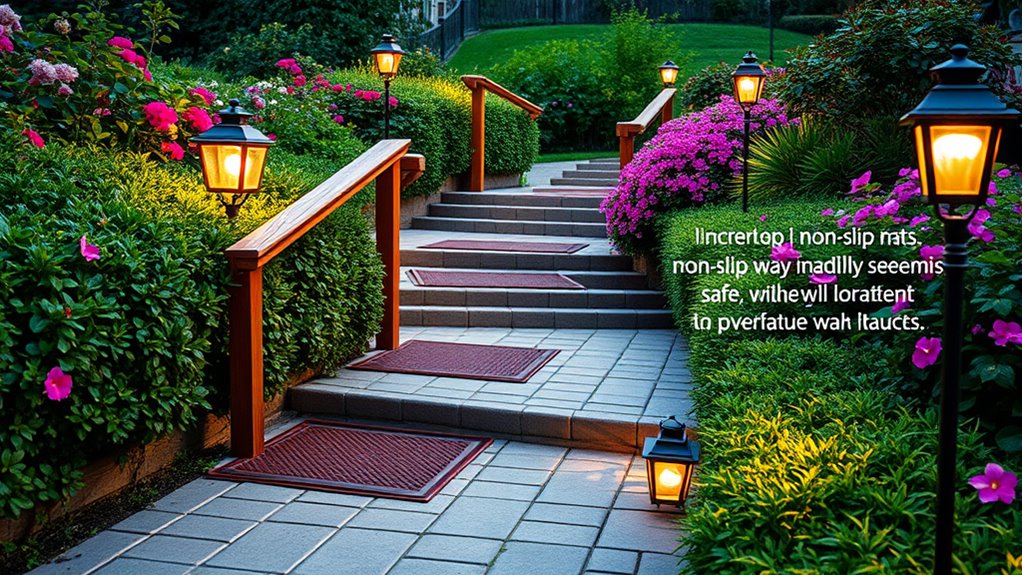

To prevent falls outdoors around walkways, gardens, and steps, ensure proper lighting with motion sensors or path lights to eliminate shadows. Wear sturdy shoes with good traction and keep pathways clear of clutter, debris, and slippery moss. Highlight step edges with reflective materials or contrasting colors and install sturdy handrails where needed. Regularly inspect your outdoor surfaces for hazards and take your time managing uneven or wet areas. Keep these tips in mind to make sure your outdoor space is safer—and there’s more to learn below.

Get health and wellness essentials delivered free with Prime
- Fast, free delivery on millions of items
- Prime Video, Amazon Music and more included
- Member-only deals all year
Key Takeaways
- Ensure outdoor lighting is adequate, functional, and use motion-activated or high-quality fixtures to eliminate shadows and dark spots.
- Wear sturdy, well-traction shoes with proper fit to maintain stability on uneven or slippery surfaces.
- Keep walkways, steps, and garden areas clear of clutter, debris, and hazards for safe navigation.
- Install secure handrails on stairs and highlight step edges with contrasting colors or reflective tape for visibility.
- Regularly inspect and maintain surface conditions, addressing wet leaves, moss, or loose materials to prevent slips and falls.
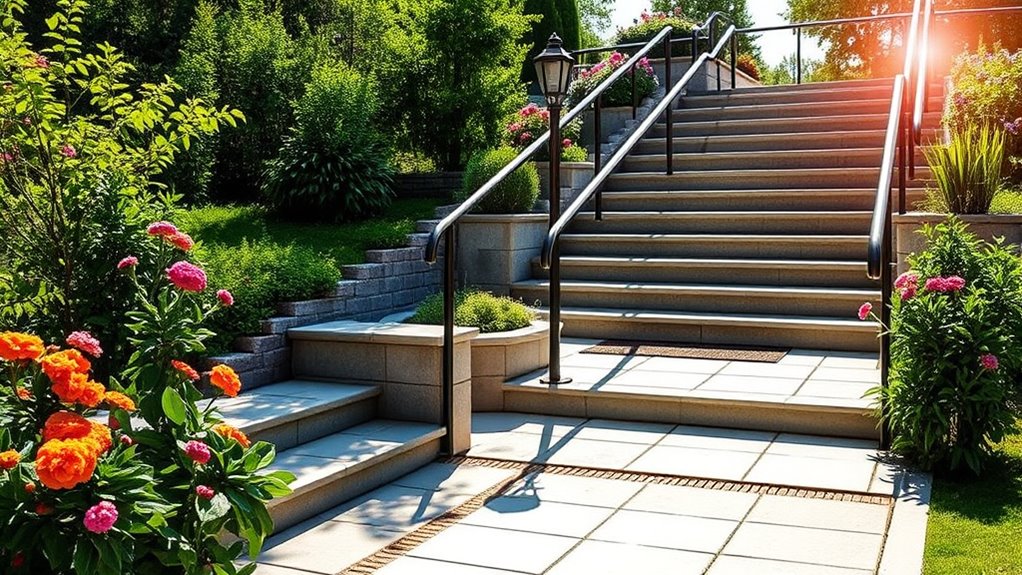
Falls outdoors can happen suddenly and unexpectedly, but many can be prevented with simple precautions. When you’re steering walkways, gardens, or steps, the risk of slipping or tripping is real. One of the most overlooked factors contributing to outdoor falls is poor lighting. Insufficient lighting creates shadows and dark spots that hide uneven surfaces, obstacles, or potential tripping hazards. Before you head out at dusk or night, make sure all pathways are well-lit with outdoor lights that evenly illuminate walkways, stairs, and garden areas. Motion-activated lights can be especially effective, turning on automatically when you approach. Proper lighting not only helps you see where you’re going but also alerts you to hazards you might not notice in the dark. Additionally, choosing the right high-quality projectors for outdoor use can help you better illuminate your space during nighttime gatherings, reducing trip hazards.
Footwear safety is equally essential in preventing outdoor falls. Wearing inappropriate shoes—like sandals, flip-flops, or worn-out sneakers—can compromise your stability on uneven surfaces or slippery patches. Opt for shoes with sturdy soles, good traction, and supportive features. When walking on garden paths or stepping onto stairs, your footwear should grip the ground well to avoid slipping. If you’re gardening or spending time in the yard, avoid loose or floppy shoes that might cause you to trip. Additionally, make sure your shoes fit properly; ill-fitting footwear can lead to imbalance and increase the risk of falls. Remember, the right footwear provides a solid foundation, especially when surfaces are uneven or wet.
Clear pathways are essential, so regularly check your outdoor areas for clutter, loose stones, or debris that could cause trips. Be particularly cautious around steps—make sure they are in good condition, with secure handrails if possible. Use contrasting colors or reflective tape on the edges of steps to improve visibility, especially in low light conditions. This simple visual cue can help you judge the height and depth more accurately, reducing the likelihood of missteps. When walking through your garden or along uneven ground, pay attention to surface conditions—wet leaves, moss, or loose dirt can be slippery. Always be alert and take your time, especially when steering unfamiliar areas.
As an affiliate, we earn on qualifying purchases.
Frequently Asked Questions
How Can I Identify Hidden Trip Hazards in My Yard?
To identify hidden trip hazards in your yard, regularly inspect your garden during garden maintenance. Look out for uneven ground, loose stones, or exposed roots. Shrub trimming helps prevent overgrowth that can hide dangerous spots. Check walkways and steps for cracks or obstructions. Keep your yard tidy and well-maintained, and always be vigilant about potential hazards, especially after storms or seasonal changes. Staying proactive keeps your outdoor space safe.
What Materials Are Best for Slip-Resistant Outdoor Surfaces?
Ironically, choosing slip-resistant materials might seem like common sense, yet many overlook it. For deck flooring and paving materials, opt for textured concrete, rubber tiles, or stamped concrete with slip-resistant coatings. These materials provide excellent traction, especially when wet. Avoid smooth surfaces like polished stone or glazed tiles. By selecting the right paving materials, you guarantee safer outdoor walkways, reducing the risk of falls and keeping your yard enjoyable all year round.
How Often Should Outdoor Walkways Be Inspected for Safety?
You should inspect your outdoor walkways at least once a month to guarantee safety. Regular inspections help catch hazards early, like loose pavers or debris. Use safety checklists during each inspection to systematically identify issues. After severe weather or heavy use, do a quick safety check. Consistent inspections help prevent slips and falls, keeping your outdoor spaces safe for everyone.
Are There Temporary Solutions to Improve Outdoor Safety During Winter?
During winter, you can temporarily boost outdoor safety by applying ice melt to walkways and steps, reducing slipperiness. Installing sturdy handrails offers extra support, making it easier to navigate icy areas confidently. These simple solutions help create a safer environment, easing your worries as you enjoy winter outside. Combining ice melt with handrails guarantees you’re protected from slips and falls, turning challenging conditions into manageable, safe outdoor moments.
How Can I Make Outdoor Lighting More Effective for Fall Prevention?
You can make outdoor lighting more effective for fall prevention by installing solar-powered lights along walkways and stairs, ensuring they’re bright enough to illuminate potential hazards. Add motion sensors to activate lights only when needed, which conserves energy and increases safety by startling intruders or alerting you to movement. Position lights strategically to cover all pathways, steps, and garden areas, reducing the risk of accidents during fall seasons.
As an affiliate, we earn on qualifying purchases.
Conclusion
To keep yourself safe outdoors, always stay alert and maintain clear walkways, gardens, and steps. Regularly check for hazards like loose stones or overgrown plants, and fix them promptly—think of it like a modern-day Paul Revere riding through your yard to warn of danger. By taking these simple steps, you’ll prevent falls and enjoy your outdoor space with confidence, just like enjoying a peaceful picnic in the park without a hitch.
As an affiliate, we earn on qualifying purchases.
As an affiliate, we earn on qualifying purchases.
Halloween Picks
halloween
As an affiliate, we earn on qualifying purchases.