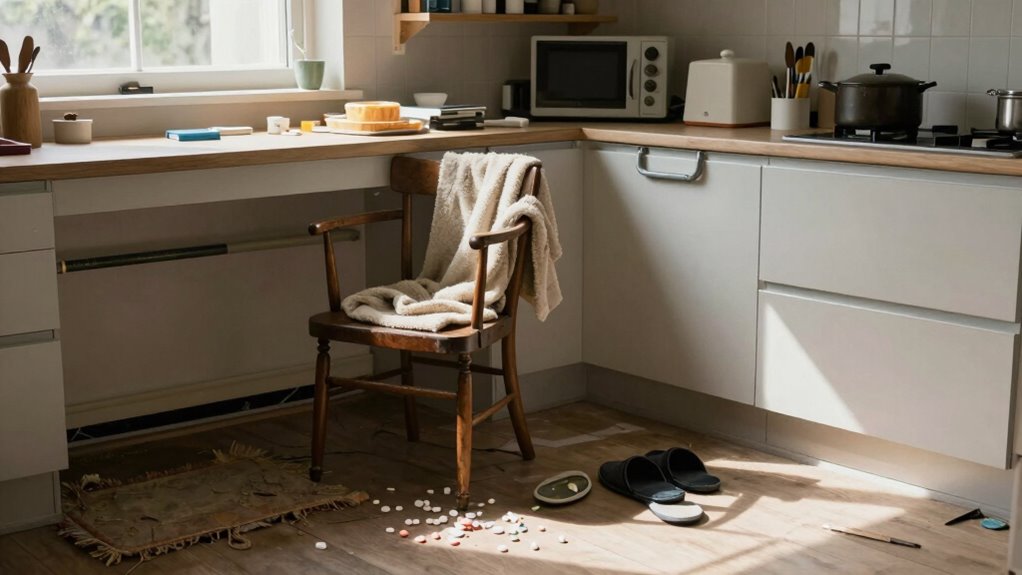

Many families forget to plan for ongoing safety assessments and necessary home modifications as needs change. They often overlook creating detailed emergency plans, updating emergency kits, and knowing how to shut off utilities in crises. Accessibility features like grab bars or stairlifts may be ignored until a crisis occurs. Without these preparations, daily activities can become risky and stressful. To guarantee you’re fully prepared for aging in place, consider the key safety measures you might be missing.

Get health and wellness essentials delivered free with Prime
- Fast, free delivery on millions of items
- Prime Video, Amazon Music and more included
- Member-only deals all year
Key Takeaways
- Regular safety assessments to identify evolving hazards as mobility or health declines
- Emergency preparedness plans tailored to specific needs and accessible to all family members
- Proper maintenance and updates of safety modifications like grab bars and lighting improvements
- Clear communication routines and accessible emergency contact information for quick response
- Ensuring legal and financial plans are in place to support long-term aging-in-place needs
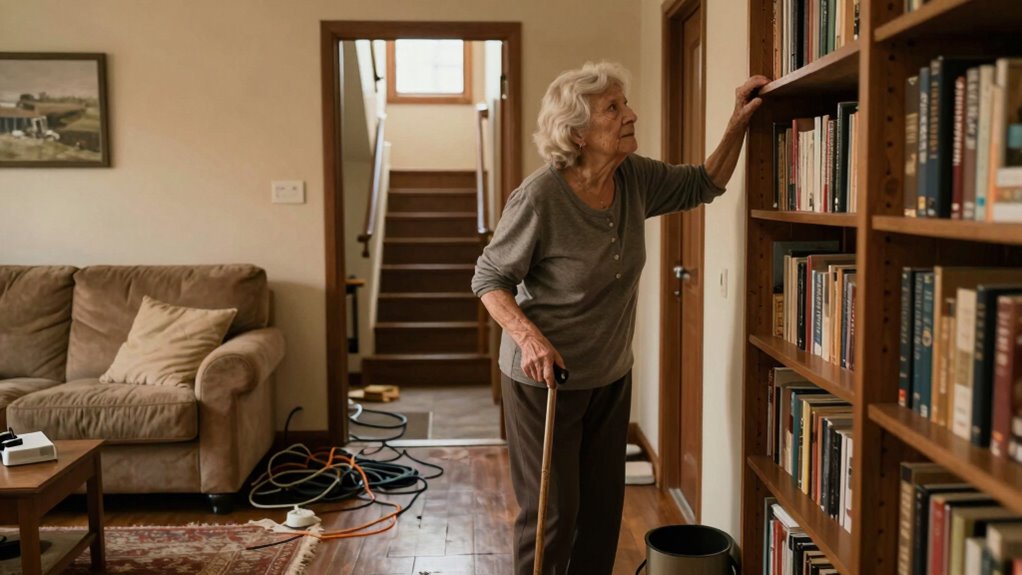
Many families focus on the day-to-day aspects of aging, but they often overlook planning for potential changes that come with growing older. One essential area that’s frequently neglected is guaranteeing home safety. You might think your home is already safe, but small modifications can make a big difference. Installing grab bars in the bathroom, securing loose rugs, and improving lighting can prevent falls, which are a leading cause of injury among seniors. It’s easy to get comfortable with your current setup, but as mobility or vision changes, these small adjustments become indispensable for safety. Ignoring home safety can lead to accidents that could have been prevented, turning everyday living into a health crisis.
Prioritize small home safety changes to prevent falls and protect loved ones as mobility and vision evolve.
Along with home safety, emergency preparedness is another critical aspect that families often overlook. You might assume that emergencies are unlikely or that help will arrive quickly when needed, but being unprepared can have serious consequences. Creating a plan for emergencies such as fires, power outages, or medical crises guarantees that everyone knows what to do. This includes having accessible, up-to-date emergency kits, knowing how to shut off utilities if necessary, and establishing communication routines. It’s also important to keep a list of emergency contacts visible and guarantee that your loved ones are familiar with the plan. Many families don’t think about these details until an emergency strikes, but proactive planning can save precious time and reduce stress during a crisis.
Another mistake is underestimating the importance of regular safety assessments. As conditions change, so do safety needs. A home that was safe a few years ago might need modifications today. Regularly reviewing and updating safety measures guarantees the environment adapts to current needs. For example, if mobility decreases, you might need to add stairlifts or widen doorways for wheelchair access. When you neglect these updates, you increase the risk of accidents and reduce independence. Recognizing the importance of home safety assessments ensures that safety measures evolve with your loved one’s changing requirements. Incorporating professional evaluations periodically can help identify potential hazards before they become serious issues. Additionally, understanding regional safety standards can help tailor modifications to specific environmental risks in your area. Staying informed about safety regulations can also ensure compliance and enhance overall home safety.
As an affiliate, we earn on qualifying purchases.
Frequently Asked Questions
How Do I Ensure Safety Without Making the Home Feel Restrictive?
You can guarantee safety without making your home feel restrictive by choosing thoughtful home design updates that blend safety features with style. Install grab bars subtly, use non-slip flooring, and ensure good lighting. Keep spaces open to promote social engagement, avoiding clutter that feels confining. This way, your home remains safe and accessible, encouraging independence while fostering a welcoming environment that promotes connection and comfort.
What Legal Documents Should Be Prepared for Aging in Place?
You should prepare essential legal documents like a Power of Attorney and Medical Directives. Some worry these are complicated, but they’re vital for aging in place. A Power of Attorney allows someone you trust to handle your finances if needed, while Medical Directives specify your healthcare wishes. Getting these documents in order guarantees your preferences are respected and reduces stress for your family during challenging times.
How Can Technology Support Independence for Aging Family Members?
You can support your aging family members’ independence by installing a smart home system that automates lighting, locks, and thermostats, making daily tasks easier and safer. Emergency alerts are essential, allowing them to quickly summon help if needed. These technologies provide reassurance, promote confidence, and enable your loved ones to stay comfortably in their homes longer, reducing the need for assisted living and fostering a sense of security.
What Are Cost-Effective Ways to Modify My Home?
You can modify your home cost-effectively by updating key areas with simple home decor changes, like adding grab bars or non-slip rugs, which improve safety without hefty expenses. Budget planning helps you prioritize modifications that matter most, such as wider doorways or easier-to-reach storage. DIY projects also save money, letting you customize your space while ensuring it remains functional and comfortable for aging in place.
How Do I Coordinate Care With Multiple Family Members?
To coordinate care with multiple family members, start with clear family communication by setting up regular meetings or group chats to share updates and concerns. Use care coordination tools or shared calendars to assign responsibilities and track appointments. Encourage open dialogue, so everyone stays informed and involved. By maintaining consistent communication and using organization tools, you guarantee your loved one’s needs are met seamlessly and everyone remains on the same page.
As an affiliate, we earn on qualifying purchases.
Conclusion
Remember, aging in place is like steering uncharted waters—you need a solid plan to stay afloat. Don’t forget to take into account future needs, safety measures, and support systems. By addressing these ahead of time, you’ll create a smoother journey for your loved ones and yourself. Planning ahead isn’t just smart; it’s the lighthouse guiding you through potential storms. Stay proactive, and guarantee everyone’s comfort and security in the years to come.
emergency preparedness kit for seniors
As an affiliate, we earn on qualifying purchases.
As an affiliate, we earn on qualifying purchases.
As an affiliate, we earn on qualifying purchases.
Halloween Picks
halloween
As an affiliate, we earn on qualifying purchases.