
TL;DR

Get health and wellness essentials delivered free with Prime
- Fast, free delivery on millions of items
- Prime Video, Amazon Music and more included
- Member-only deals all year
A Mayo Clinic Health System ophthalmologist says diabetic retinopathy can damage vision before symptoms appear, making regular eye screening important for people with diabetes. The report describes retinal photography, risk-factor management and specialist follow-up, but does not announce new research or treatment guidance.
Mayo Clinic Health System ophthalmologist Dr. Wayne Wu says people with diabetes need routine eye screening because diabetic retinopathy can damage the retina before symptoms become noticeable. A Seniors Guide report presenting Wu’s advice describes retinal photographs, specialist assessment after an abnormal screen and management of diabetes and other risk factors as parts of care.
Diabetic retinopathy occurs when diabetes damages blood vessels in the retina, the light-sensitive tissue at the back of the eye. According to Wu’s response, the condition can affect people with Type 1 or Type 2 diabetes; it may also arise during pregnancy in people diagnosed with gestational diabetes. Those who had diabetes before pregnancy may face increased risk, and their clinician may recommend additional eye exams during pregnancy.
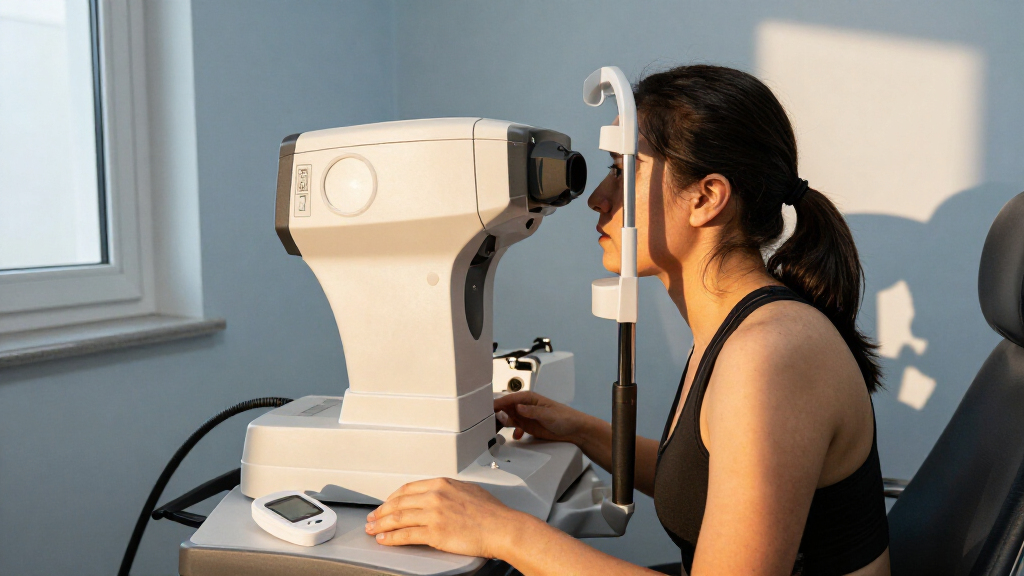
The report says the condition can progress without obvious symptoms, with signs often absent until it reaches a moderate or advanced stage. Advanced retinopathy can cause rapid, permanent vision loss. Annual screening for people with diabetes can include photographs of the retina. The report says several AI-assisted screening devices have received U.S. Food and Drug Administration approval; the software analyzes retinal images for possible early signs. If screening detects retinopathy, the care team may refer the patient to a retinal specialist or ophthalmologist for further evaluation and management.
Wu identifies blood glucose management as a way to reduce the risk of vision loss and advises attention to high blood pressure and cholesterol, which can affect retinal health. He also says people who smoke should stop. New or changing vision problems—including blurred or double vision, floaters, flashes, eye pain or difficulty seeing at night—should be reported promptly to a healthcare professional, even after a recent exam. The report cautions that symptoms can have other causes, including a need for a prescription change.
Why Silent Retinal Damage Matters
The main concern in Wu’s advice is the gap between retinal damage and noticeable symptoms. People who wait for vision changes may miss an earlier opportunity for assessment. Regular screening can identify signs that warrant specialist attention, while follow-up allows clinicians to evaluate the condition and discuss management before vision is severely affected.
The report also connects eye health with broader diabetes care: blood glucose, blood pressure and cholesterol management are relevant to retinal risk. It does not describe an individual patient’s prognosis or guarantee that screening or risk-factor control will prevent vision loss. Rather, it presents early detection and ongoing clinical care as ways to slow progression or halt the condition, according to Wu.
Products Worth Considering

BowFlex SelectTech 552 Adjustable Dumbbells (Pair)

Withings Sleep Under-Mattress Sleep Tracking Pad

BowFlex Results Series 552 SelectTech Adjustable Dumbbell
As an affiliate, we earn on qualifying purchases.
How Diabetes Affects the Retina
Diabetes affects multiple parts of the body because it changes how the body regulates and uses sugar, the report explains. In the eye, damage to retinal blood vessels can develop gradually. Retinopathy may progress through stages, and a person may not recognize a problem while that damage is occurring.
The report cites an estimate that 191 million people worldwide may have diabetic retinopathy by 2030, including an estimated 56.3 million people with diabetes who may have vision-threatening disease. These are projections quoted in the source, not current counts. The article does not provide the underlying study details or explain the assumptions behind those estimates.
““Prevention remains the best approach for diabetic retinopathy.””
— Dr. Wayne Wu, ophthalmologist at Mayo Clinic Health System
Limits of the Screening Guidance
The report is an educational Q&A, not a new clinical trial, guideline update or comparison of screening methods. It does not name the AI devices, specify how often each should be used, provide their accuracy, or explain how screening access varies among clinics. It also does not detail treatments specialists may use after diagnosis, so readers should not take the article as a complete account of treatment options.
Wu’s guidance does not replace individualized medical care. The report does not establish whether a particular symptom is caused by retinopathy, another eye condition or a change in glasses or contact lenses. Diagnosis and care decisions require assessment by a qualified healthcare professional; people with diabetes should ask their own care team about an appropriate exam schedule, especially during pregnancy or if vision changes occur.
When to Seek Eye Care
The report sets out no upcoming study, regulatory decision or policy milestone. For readers, the next step is routine screening through their diabetes care team and follow-up with an eye specialist if a screen finds signs of retinopathy. Anyone with new or worsening vision symptoms should contact a healthcare professional promptly rather than waiting for the next annual exam.
People with diabetes can ask their clinician how often they need retinal screening and whether photography-based screening is available. During pregnancy, people with pre-existing diabetes should ask whether additional eye exams are recommended. A clinician can also discuss blood glucose, blood pressure, cholesterol and smoking in light of an individual’s health history.
Key Questions
What is diabetic retinopathy?
It is damage to blood vessels in the retina associated with diabetes. The retina is the light-sensitive tissue at the back of the eye.
Can diabetic retinopathy develop without symptoms?
Yes. Wu’s report says damage may occur before symptoms appear, and signs may not be noticeable until the condition is moderate or advanced. That is why people with diabetes should discuss routine eye screening with their care team.
How is diabetic retinopathy screened?
The report describes taking a photograph of the retina and using screening software, including some FDA-approved AI-assisted devices, to look for possible signs. A concerning result can lead to referral to an ophthalmologist or retinal specialist for further evaluation.
Which vision changes should prompt a call to a clinician?
Wu lists blurred or double vision, flashes, floaters, eye pain, trouble reading or seeing at night, and other changes. These symptoms can have different causes, so contact a healthcare professional for assessment rather than assuming they indicate retinopathy.
Can diabetic retinopathy be prevented or treated?
The report says blood glucose management can reduce the risk of vision loss and advises controlling blood pressure and cholesterol and stopping smoking. It says early detection and specialist management can slow progression or halt the condition, but it does not give treatment details or promise prevention. Ask a qualified clinician about care suited to your circumstances.
Source: seniorsguide.com