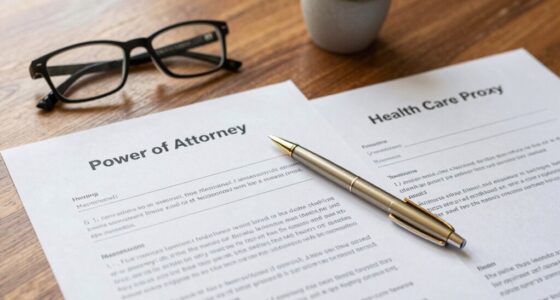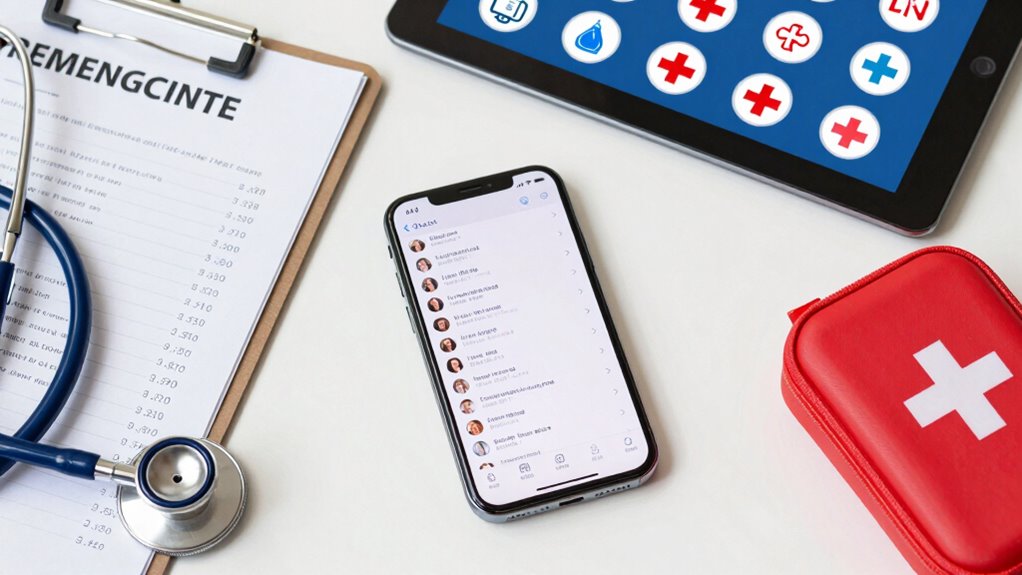

To build a medical contact list for emergencies, gather details for your primary healthcare provider, specialists, and nearby hospitals. Include emergency contacts like family, friends, and neighbors who can assist quickly. Keep digital and printed copies updated and accessible at home, work, or on the go. Use technology like emergency apps and digital health records to streamline access. Staying organized and aware of local resources guarantees you’re prepared. If you keep exploring, you’ll discover even more ways to stay safe.

Get health and wellness essentials delivered free with Prime
- Fast, free delivery on millions of items
- Prime Video, Amazon Music and more included
- Member-only deals all year
Key Takeaways
- Collect and regularly update contact details for healthcare providers, specialists, and emergency facilities for quick access.
- Include personal emergency contacts and support network members, informing them of medical needs and allergies.
- Maintain both physical copies in emergency kits and digital versions on devices or cloud for accessibility.
- Know the routes to local hospitals and urgent care centers, and utilize emergency apps for rapid response.
- Protect personal health data by understanding privacy policies and managing sensitive information carefully.
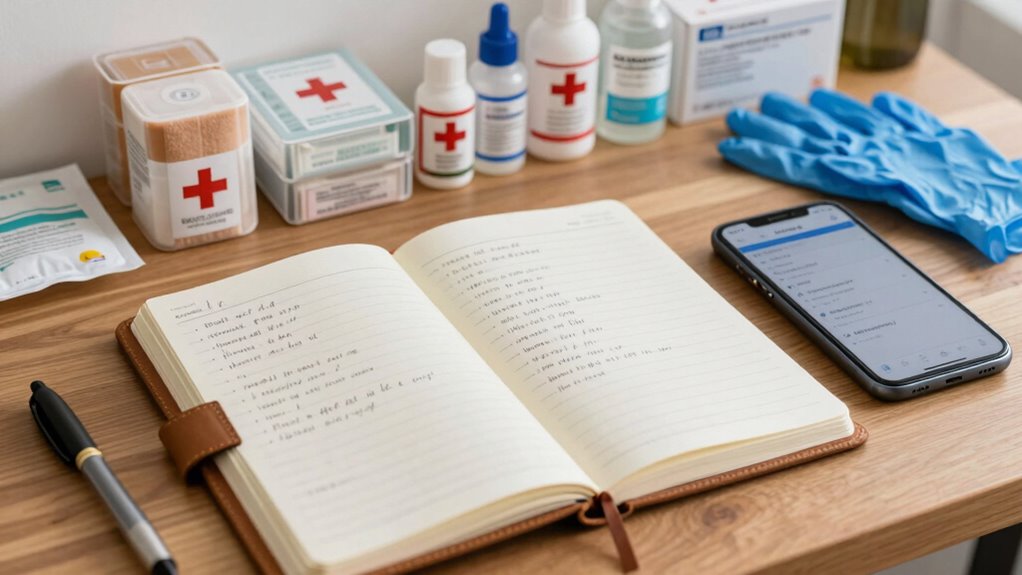
In emergencies, quick access to medical contacts can make all the difference. When every second counts, knowing who to call or where to turn can prevent minor issues from becoming major health crises. Building a reliable medical contact list is a crucial step in preparing for unexpected situations. Start by gathering contact information for your primary healthcare provider, including their phone number, office address, and preferred communication methods. If you have specialists, such as a cardiologist or allergist, add their contact details as well. Keep their information updated regularly to avoid delays during an emergency.
Quickly access vital medical contacts during emergencies to prevent minor issues from becoming severe.
Next, include the contact details of nearby hospitals and urgent care centers. Knowing the quickest route to these facilities can save precious time. If you’ve recently visited a doctor or specialist, get their direct line for quicker access, especially for follow-up questions or emergencies. Also, consider including medical technology like emergency apps or digital health records, which can facilitate faster communication and data sharing during urgent situations. Additionally, local poison control centers should be part of your list, as they can provide immediate guidance if someone ingests a toxic substance or experiences poisoning.
Your list should also feature emergency contacts for family members, friends, or neighbors who can assist in urgent situations. In case you’re incapacitated, having trusted people who can step in is vital. Make sure these contacts are aware of your medical conditions, allergies, and any special needs. If you’ve undergone first aid training, include contacts of those trained in emergency response, like neighbors or coworkers, so they can assist until professional help arrives. Keep a printed copy of this list in your emergency kit essentials, along with other vital items. Having your medical contacts ready to go ensures you’re prepared whether at home, work, or on the move.
In addition to physical copies, store your contact list digitally on your phone, cloud storage, or a dedicated emergency app. That way, you can access it quickly if your phone is lost or damaged. Remember to regularly review and update your list, especially if you change healthcare providers or move to a new area. Familiarize yourself with the locations of nearby hospitals and urgent care centers, and keep their contact details handy. Utilizing landscaping and outdoor features can also create a more accessible environment for emergency personnel. Being proactive with your medical contact list is a simple but powerful way to protect yourself and loved ones during emergencies. It ensures that everyone involved can act swiftly, coordinate care efficiently, and provide peace of mind when it matters most. Additionally, understanding the importance of privacy policies and managing your personal data can help you make informed decisions about sharing sensitive information in emergencies. Recognizing regional healthcare resources can further enhance your preparedness for urgent situations.
medical emergency contact list organizer
As an affiliate, we earn on qualifying purchases.
As an affiliate, we earn on qualifying purchases.
Frequently Asked Questions
How Often Should I Update My Emergency Medical Contact List?
You should update your emergency medical contact list at least every six months. Regular updates guarantee your medical alert systems and emergency preparedness plans have current information, including new doctors, medications, or allergies. Changes in your health or contacts can happen quickly, so stay proactive. Review and revise your list regularly, especially after medical visits or significant life changes, to make sure you’re always prepared for any emergency.
What Information Should I Include for Each Contact?
For each contact, include their full name, relationship to you, and primary phone number. Add a medical alert note if they have specific health conditions or allergies. Include their secondary contact info and address if possible. Regular contact verification guarantees details are current. This way, you’re prepared in emergencies, and responders quickly identify the right person to contact, ensuring effective communication when it matters most.
How Can I Store My Contact List Securely?
Imagine your contact list as a treasure chest; you want to keep it safe from prying eyes. Use data encryption to scramble your information, making it unreadable without a key. Implement access control by setting passwords or biometric locks, so only you can release it. Regularly update your security measures and back up your list securely. This way, your critical contacts stay protected, just like precious treasure.
Should I Include Healthcare Providers Outside My Area?
Yes, you should include out-of-area contacts and specialty providers in your emergency list. Out-of-area contacts are essential if you’re traveling or relocating, ensuring you can access care anywhere. Specialty providers are important for specific health needs, even if they’re outside your immediate location. Having these contacts handy helps you get prompt, appropriate medical attention in any emergency, no matter where you are.
How Do I Prioritize Contacts for Different Emergencies?
In an emergency, you should prioritize contacts based on the severity of the situation. For instance, if someone has a severe allergic reaction, emergency contacts like 911 and nearby hospitals take precedence over primary care providers. Conduct a priority assessment by categorizing contacts into urgent (emergency services), important (specialists), and routine (primary care). This guarantees you react swiftly and contact the right resources when time matters most.
As an affiliate, we earn on qualifying purchases.
Conclusion
Now that you’ve woven together your medical contact list, think of it as your safety net—ready to catch you in a fall. Keep it close, like a trusted map guiding you through life’s unexpected twists. With this list in hand, you’re steering your health ship through stormy waters with confidence. Remember, preparedness isn’t just a task; it’s your lifeline, turning chaos into calm and uncertainty into a well-charted course.
As an affiliate, we earn on qualifying purchases.
first aid kit with emergency contacts
As an affiliate, we earn on qualifying purchases.
As an affiliate, we earn on qualifying purchases.
Halloween Picks
halloween
As an affiliate, we earn on qualifying purchases.