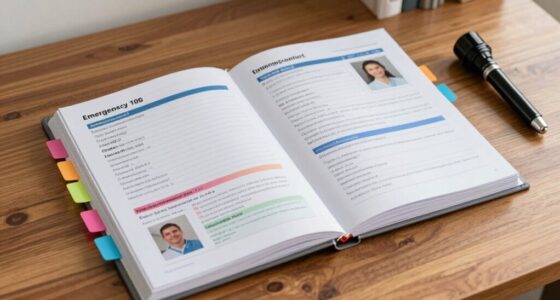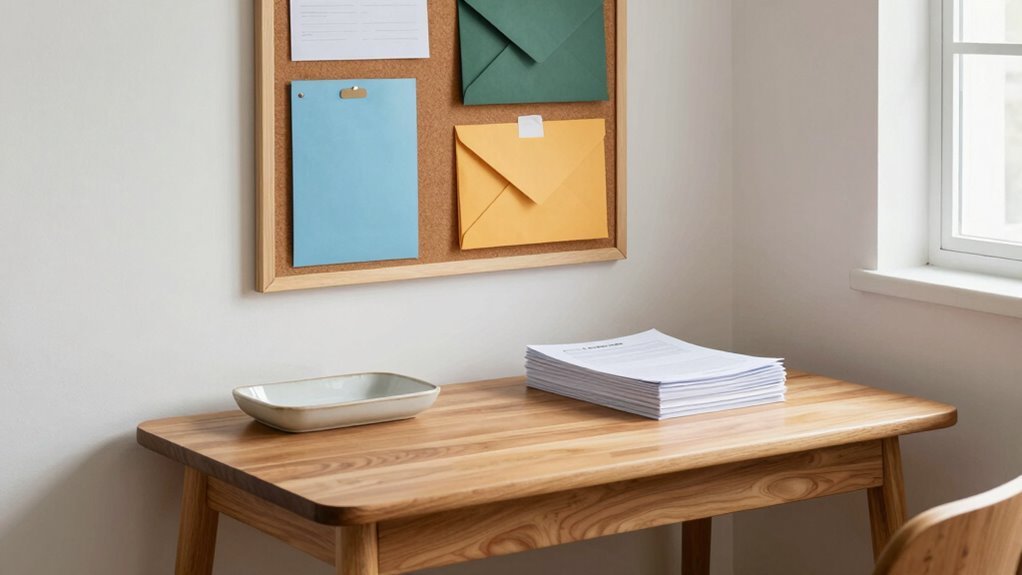

To build a paperwork station that doesn’t take over your house, choose a dedicated, easily accessible spot near your main entry or work area, and keep it simple with vertical storage like wall-mounted organizers or compact filing cabinets. Digitize important documents to reduce clutter, and use labeled folders for quick access. Dedicate a few minutes daily or weekly for processing and upkeep. Want to learn more tips to keep your space organized and functional?

Get health and wellness essentials delivered free with Prime
- Fast, free delivery on millions of items
- Prime Video, Amazon Music and more included
- Member-only deals all year
Key Takeaways
- Choose a dedicated, accessible spot near main work or entry areas to keep paperwork organized without cluttering the house.
- Digitize important documents to reduce physical clutter and streamline storage using labeled digital folders.
- Use compact, clearly labeled storage solutions like wall-mounted organizers and desktop trays for quick access.
- Establish a routine for daily or weekly processing, sorting, and purging to prevent buildup and maintain order.
- Keep the workspace minimal and organized, utilizing vertical storage and designated places for every item.
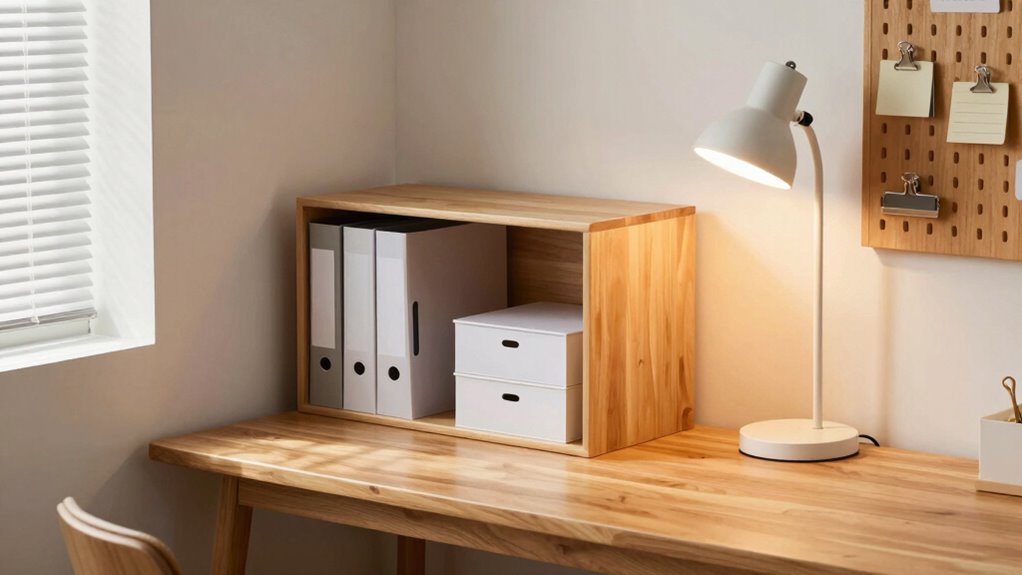
Have you ever struggled to find your important documents when you need them most? If so, you’re not alone. Without a proper system, paperwork can quickly pile up and take over your space. The key to preventing chaos is building a dedicated paperwork station that’s both functional and unobtrusive. Start by choosing a specific spot in your home—preferably near your main work or entry area—where your paperwork station will reside. This way, it’s accessible but doesn’t interfere with daily activities.
Create a dedicated, accessible space for your paperwork to stay organized and prevent clutter buildup.
Next, focus on digital organization to reduce the clutter of paper documents. Scan important papers and save them on your computer or cloud storage solutions. Not only does this create a backup, but it also makes it easier to locate files quickly. Incorporate labeled folders or categories within your digital storage solutions, so you can find what you need in seconds. This step is vital because it minimizes the need to keep every physical document, freeing up space and reducing stress. Additionally, digital organization can help you establish a consistent system that saves time in the long run. Incorporating organization principles can further streamline your process and ensure your system remains effective over time. Understanding regional differences in architectural styles can also inspire your workspace layout, making your paperwork station blend seamlessly with your home’s aesthetic.
For the physical side of things, invest in storage solutions that fit your available space. Consider a compact filing cabinet, wall-mounted file organizers, or desktop trays—whatever fits your home’s layout and your organizational style. Use clear labels on each section or drawer so you can easily identify what’s inside. Keep only essential documents in the immediate area, like bills, receipts, or ongoing project papers, and store the rest in a more permanent location. Implementing smart storage strategies can further optimize your space and make daily access more efficient.
Create a daily or weekly routine to process incoming paperwork. Dedicate a few minutes to sort new documents into the appropriate digital or physical storage solutions. This habit prevents clutter from building up and keeps your paperwork station tidy. Also, incorporate a trash or shredder nearby to dispose of unnecessary papers promptly, maintaining a clean workspace. Regular review of your system ensures it continues to meet your needs and prevents accumulation of outdated files.
Finally, keep your paperwork station simple and clutter-free. Regularly review and purge outdated files to avoid unnecessary buildup. Use vertical storage options to maximize limited space, and ensure everything has a designated place. By establishing these routines and storage solutions, you’ll create a dedicated, efficient paperwork station that supports your organization efforts without taking over your house. With just a bit of planning and consistent maintenance, your home can stay organized, stress-free, and clutter-free, making it easier to find what you need—when you need it.
As an affiliate, we earn on qualifying purchases.
Frequently Asked Questions
How Much Space Do I Need for a Paperwork Station?
You’ll need about 3 to 4 square feet for your paperwork station, which is enough to include a desk or table, storage bins, and space for digital storage options. When choosing station placement, pick a spot with good lighting and easy access to your digital tools. Keep it compact yet functional to prevent it from overtaking your space, ensuring everything stays organized without clutter.
Can I Customize the Station for Specific Paperwork Types?
You absolutely can customize your paperwork station for specific types of paperwork. Think of it as your personal command center, tailored for digital organization and a seamless filing system. Use labeled trays or folders for bills, receipts, or important documents. Add small containers or dividers to keep things tidy. Personalizing your station makes it easier to find what you need quickly, turning chaos into a well-oiled, efficient system.
What Are Budget-Friendly Materials for Building a Paperwork Station?
You can use budget-friendly materials like cardboard boxes, repurposed jars, and inexpensive plastic bins for your paperwork station. Decorate these with paint or washi tape for a personalized touch. Incorporate simple storage solutions like stackable trays or labeled baskets to keep things organized. Adding decorative elements like photos or stickers can make your station inviting without breaking the bank, ensuring it stays functional and stylish.
How Do I Maintain Organization Over Time?
To maintain organization over time, regularly update your filing systems and incorporate digital archiving for important documents. Set aside a weekly or monthly schedule to sort through papers, discard what’s unnecessary, and file everything properly. Use clear labels and designated folders to keep things accessible. Digital archiving reduces clutter, so scan critical papers and store them securely online. Consistency is key to preventing your paperwork station from becoming overwhelming.
Is It Suitable for Small Children or Elderly Family Members?
Yes, your paperwork station can be suitable for small children and elderly family members. You should prioritize child safety by using rounded edges, securing sharp objects, and keeping hazardous materials out of reach. For elderly accessibility, guarantee the station is at a comfortable height, with easy-to-read labels and minimal clutter. This way, everyone can safely access and manage paperwork without difficulty or risk.
As an affiliate, we earn on qualifying purchases.
Conclusion
By creating a dedicated paperwork station, you streamline your space, simplify your routines, and reduce clutter. With organization at your fingertips, you’ll handle bills, mail, and documents with ease. Keep everything in its place, stay consistent, and enjoy the calm that comes from a tidy, functional area. A well-designed paperwork station isn’t just about storage; it’s about reclaiming your time, your home, and your peace of mind. Make it yours, and keep it simple.
As an affiliate, we earn on qualifying purchases.
As an affiliate, we earn on qualifying purchases.
Cold & flu season Picks
humidifiers
As an affiliate, we earn on qualifying purchases.