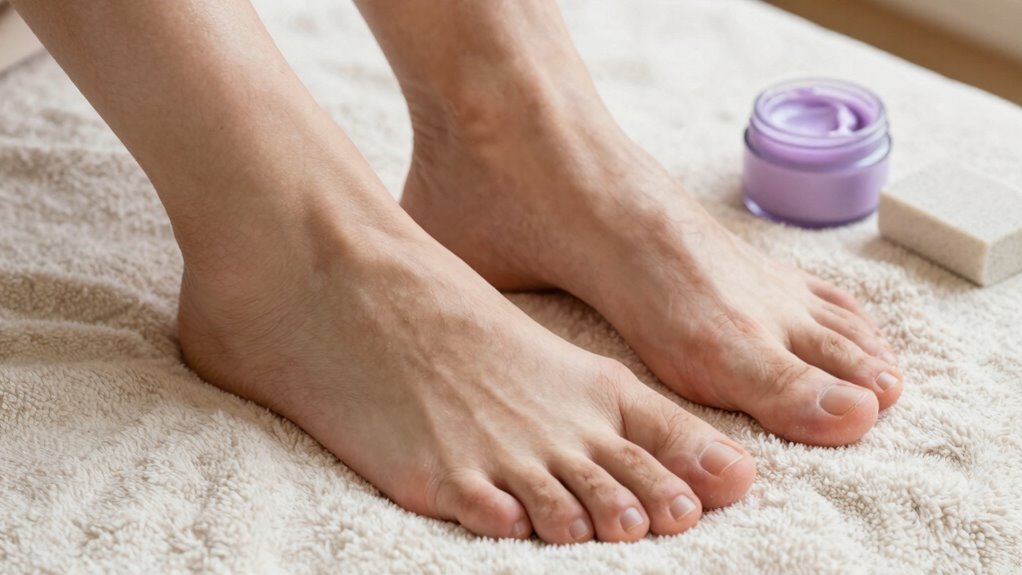

Foot care matters more than families often realize because your feet support your daily activities and overall health. Proper footwear, skin hydration, and hygiene prevent pain, infections, and long-term problems like deformities. Ignoring these habits can lead to discomfort and costly issues later. By taking simple steps now, you’ll keep your feet healthy and functional for years to come. Keep going to discover how easy changes can make a big difference in your foot health.

Get health and wellness essentials delivered free with Prime
- Fast, free delivery on millions of items
- Prime Video, Amazon Music and more included
- Member-only deals all year
Key Takeaways
- Proper foot care prevents discomfort, injuries, and long-term health issues that can affect overall well-being.
- Wearing supportive, well-fitting shoes reduces risks of deformities and falls.
- Daily hydration and hygiene maintain skin health, preventing infections and painful cracks.
- Early detection of foot problems through regular inspection aids in timely treatment.
- Prioritizing foot health enhances mobility, comfort, and quality of life over the long term.
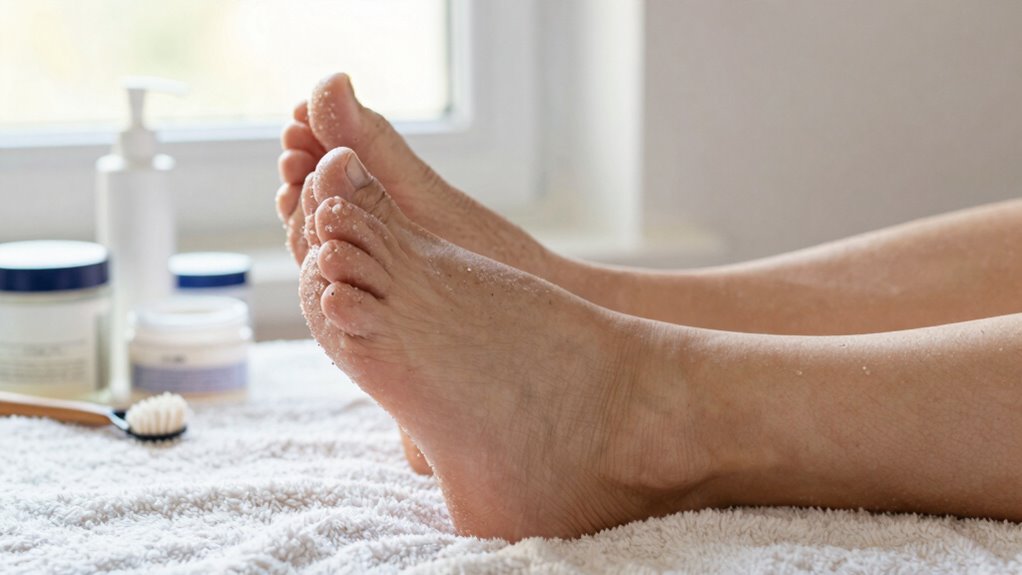
Have you ever considered how much your feet do for you each day? They carry you through your daily routines, support your body’s weight, and keep you mobile. Despite their importance, many people overlook basic foot care, often thinking it’s not a priority. But neglecting your feet can lead to discomfort, injury, or even long-term health issues. Proper foot care begins with simple habits, like choosing the right footwear and maintaining skin hydration.
Your feet support your daily life—prioritize their care with proper footwear and hydration for long-term health and comfort.
When it comes to footwear selection, comfort should be your main concern. Ill-fitting shoes can cause blisters, calluses, and deformities over time. Shoes that are too tight restrict circulation, while loose shoes can lead to instability and falls. Opt for footwear that offers adequate support, cushioning, and fits well. Invest in quality shoes suited for your activities, whether you’re walking, running, or standing for long periods. Remember, the right footwear isn’t just about style; it’s about promoting foot health and preventing problems down the line.
Skin hydration plays a vital role in maintaining healthy feet. Your feet have thick skin, especially on the heels and soles, which can crack and become painful if not properly moisturized. Dry, cracked skin not only looks unsightly but also creates entry points for bacteria and fungi, increasing the risk of infections. To keep your skin hydrated, apply a good moisturizer daily, especially after bathing when your skin is most receptive. Using products with ingredients like urea or glycerin can help lock in moisture and soften rough patches. Avoid harsh soaps that strip away natural oils, and try to dry your feet thoroughly, paying close attention to the spaces between your toes. Proper skin hydration isn’t just about aesthetics; it’s essential for preventing common foot ailments and keeping your feet resilient. Regular proper foot hygiene practices, such as cleaning and drying, can further improve overall foot health. Additionally, using humidity control methods can help maintain optimal conditions for skin health and prevent excessive dryness or sweating. Incorporating moisturizing routines with products containing emollients can enhance skin softness and flexibility, reducing the risk of cracking. Staying informed about foot health through reputable sources can help you recognize early signs of potential issues and seek timely care.
Incorporating these simple practices into your routine can make a significant difference. Regularly inspecting your feet for signs of issues, like redness, swelling, or unusual spots, allows you to address problems early. Elevate your feet when possible to reduce swelling and promote circulation. Wearing moisture-wicking socks can also help keep your feet dry and comfortable throughout the day. Taking care of your feet isn’t a luxury—it’s a necessity that impacts your overall well-being and quality of life. When you prioritize good footwear choices and proper skin hydration, you’re investing in healthier, happier feet that can support you for years to come.
orthopedic supportive shoes for men and women
As an affiliate, we earn on qualifying purchases.
As an affiliate, we earn on qualifying purchases.
Frequently Asked Questions
How Often Should I See a Podiatrist for Foot Check-Ups?
You should see a podiatrist at least once a year for regular foot check-ups, especially if you have footwear habits that cause discomfort or if your daily routines involve standing or walking for long periods. Regular visits help catch issues early and guarantee your feet stay healthy. If you notice pain, changes in skin or nails, or experience numbness, schedule an appointment sooner rather than later.
Are There Specific Shoes That Better Promote Foot Health?
Yes, certain shoes promote foot health better. Look for shoes made from breathable, flexible materials like leather or mesh, which support foot comfort. Prioritize footwear with good arch support to reduce strain and prevent problems. Avoid overly stiff or thin-soled shoes, as they can cause discomfort. Properly fitted shoes that match your foot shape and provide adequate cushioning help maintain overall foot health and prevent future issues.
Can Foot Care Prevent Serious Health Issues?
Think of your feet as the foundation of a house—if neglected, everything else suffers. Yes, foot care can prevent serious health issues like diabetic foot complications and nail infections. Regular checks and proper hygiene catch problems early, saving you from pain and costly treatments later. When you prioritize foot health, you’re building a strong base that supports your overall well-being, proving prevention truly is better than cure.
What Are Early Signs of Foot Problems to Watch For?
You should watch for early signs like calluses development, which indicate pressure points needing attention. Toenail discoloration, such as yellowing or dark spots, can signal infections or other issues. Also, pay attention to persistent pain, swelling, redness, or numbness. Addressing these signs early helps prevent more serious problems. Regular foot inspections and proper hygiene keep your feet healthy and catch potential issues before they worsen.
How Does Foot Health Impact Overall Wellbeing?
Your foot health directly impacts your overall wellbeing by influencing your gait and balance. Proper gait analysis helps identify issues early, preventing pain and mobility problems. Using appropriate arch support reduces strain on your feet and joints, boosting comfort and stability. When your feet are healthy, you experience better posture, less fatigue, and decreased risk of injuries, all contributing to a happier, healthier life.
moisturizing foot cream with urea or glycerin
As an affiliate, we earn on qualifying purchases.
As an affiliate, we earn on qualifying purchases.
Conclusion
So, next time you neglect your feet, think twice. What hidden problems might be lurking beneath the surface, waiting to surprise you? Proper foot care isn’t just about comfort—it’s about safeguarding your health in ways you might never have imagined. Don’t let small issues turn into major setbacks. Stay vigilant, take action now, and discover the unexpected benefits of truly caring for your feet. Because sometimes, the smallest steps can lead to the biggest surprises.
As an affiliate, we earn on qualifying purchases.
As an affiliate, we earn on qualifying purchases.
Halloween Picks
halloween
As an affiliate, we earn on qualifying purchases.