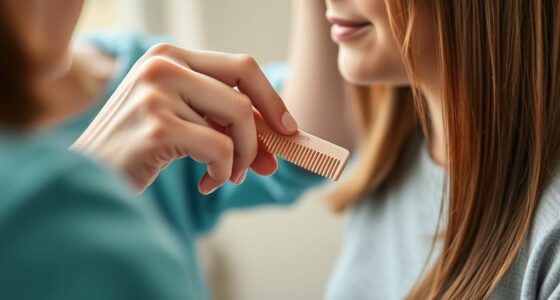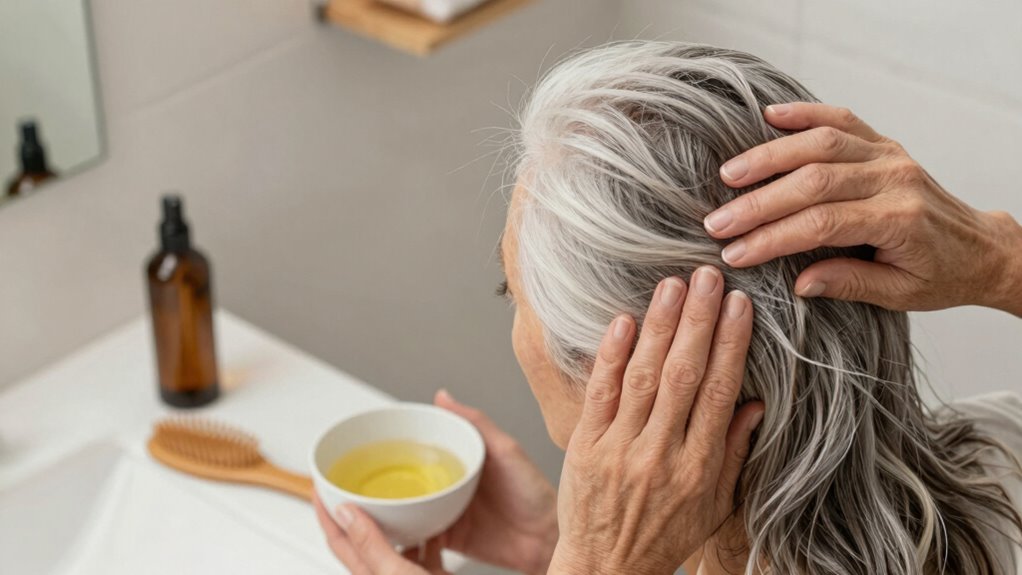

To simplify hair care for aging adults at home, use gentle, multi-purpose products like nourishing conditioners and scalp-friendly shampoos. Avoid over-washing and harsh styling, focusing instead on keeping hair moisturized and protected. Incorporate regular trims and natural styles, such as loose braids or updos, to reduce maintenance. Keep routines consistent with gentle cleansing and nourishing treatments. Sticking to these tips can help your hair stay healthy and vibrant—plus, you’ll discover even more ways to care for your hair as you continue exploring.

Get health and wellness essentials delivered free with Prime
- Fast, free delivery on millions of items
- Prime Video, Amazon Music and more included
- Member-only deals all year
Key Takeaways
- Use gentle, multi-purpose shampoos and conditioners to reduce product complexity and protect scalp health.
- Limit washing frequency and avoid harsh scrubbing to prevent irritation and maintain natural oils.
- Embrace natural styles like loose braids or simple updos to minimize manipulation and damage.
- Incorporate nourishing treatments and natural oils to support scalp health and hair strength.
- Protect hair from environmental damage with hats or UV sprays, and limit heat styling.
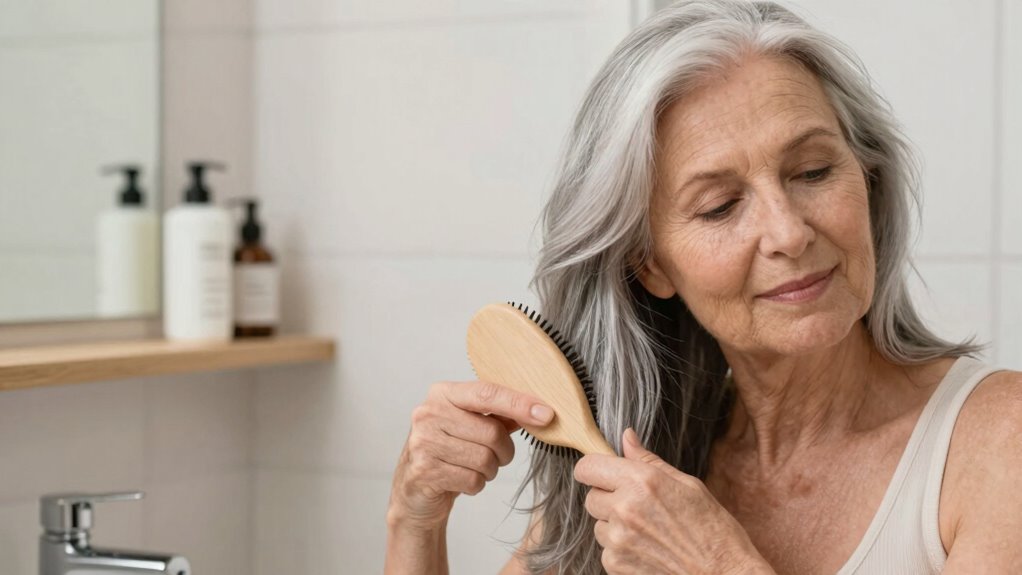
As you age, your hair undergoes changes that require special care to keep it healthy and looking its best. One of the most important aspects to focus on is scalp health. A healthy scalp provides a strong foundation for your hair, helping prevent issues like dryness, itchiness, and thinning. To maintain scalp health, use gentle shampoos that aren’t harsh or stripping, and avoid overwashing, which can remove natural oils that protect your scalp. Incorporate scalp massages into your routine to stimulate circulation and promote healthier hair growth. Using natural oils like coconut or jojoba can soothe dryness and keep your scalp moisturized. Also, be mindful of products containing alcohol or sulfates, as these can cause irritation or dryness, making scalp issues worse. Maintaining scalp health is essential for inclusive casting and a variety of hair types, ensuring everyone can enjoy healthy hair. When it comes to hair coloring, aging hair often becomes more fragile and prone to damage. If you like to color your hair, opt for gentler options such as ammonia-free dyes or semi-permanent colors. These tend to be less harsh and help minimize damage. It’s best to space out coloring sessions to give your hair time to recover, and always follow up with nourishing treatments like deep conditioners or hair masks. Protecting your hair from heat styling tools is crucial, especially after coloring, since heat can weaken already delicate strands. Use lower heat settings, and always apply a heat protectant spray before styling. Simplifying your hair care routine involves choosing multi-purpose products that can handle multiple needs. For instance, a nourishing conditioner with added scalp benefits can streamline your routine, reducing the number of products you need. Regularly trimming your hair helps prevent split ends, which can make hair look dull and damaged. When washing, focus on rinsing thoroughly to remove buildup but avoid scrubbing aggressively, as this can irritate your scalp and damage fragile hair. Using gentle cleansing shampoos can help maintain scalp health and reduce irritation. Additionally, exploring professional hair treatments can provide targeted benefits for aging hair. Embracing natural styles that require minimal maintenance, like loose braids or simple updos, can also reduce stress on your hair and scalp. Staying consistent is key to maintaining healthy, beautiful hair as you age. Stick to a routine that includes gentle cleansing, nourishing conditioning, and scalp care, and don’t forget to protect your hair from environmental damage with hats or UV protectant sprays. Incorporating natural remedies can further enhance your routine by supporting overall scalp health and hair strength. Additionally, paying attention to product labels helps you choose items that are gentle and suitable for aging hair. By paying attention to your scalp health and choosing gentle, nourishing hair coloring options, you’re helping your hair stay resilient and vibrant. Keep things simple, and your hair will thank you with a healthy shine and a natural, youthful appearance.
gentle nourishing shampoo for aging hair
As an affiliate, we earn on qualifying purchases.
As an affiliate, we earn on qualifying purchases.
Frequently Asked Questions
How Often Should Aging Adults Wash Their Hair?
You should wash your hair about 2-3 times a week, depending on your scalp’s oiliness and hair type. When you wash, incorporate a gentle scalp massage to stimulate circulation. If you color your hair regularly, use a color-safe shampoo, and avoid overwashing to protect your color. This routine keeps your scalp healthy and your hair looking vibrant without unnecessary fuss.
Are There Specific Shampoos for Thinning Hair?
Did you know nearly 40% of women experience hair thinning by age 50? Yes, there are specific shampoos designed for thinning hair. Look for products with gentle, nourishing shampoo ingredients like biotin, keratin, or caffeine. These ingredients help strengthen strands and stimulate scalp health. Choose a shampoo formulated for hair thinning to promote thicker-looking hair, making your grooming routine simpler and more effective.
How Can I Prevent Scalp Dryness With Age?
To prevent scalp dryness with age, focus on scalp hydration by using gentle, moisturizing shampoos free from harsh chemicals. Incorporate natural remedies like coconut oil or aloe vera to soothe and hydrate your scalp. Regularly massage your scalp to boost circulation and improve moisture absorption. Also, stay well-hydrated and limit hot water exposure, which can strip natural oils, helping maintain a healthy, moisturized scalp as you age.
What Are Gentle Styling Options for Fragile Hair?
You can choose gentle styling options for fragile hair by using soft styling techniques and gentle detangling. Opt for loose braids, soft buns, or gentle twists that don’t pull or stress your hair. Use a wide-tooth comb or your fingers to detangle gently, avoiding harsh brushing. These methods help protect delicate strands, reduce breakage, and keep your hair healthy while allowing you to style comfortably and effortlessly at home.
Can Diet Impact Hair Health in Older Adults?
Your diet acts like the nourishing sun for your hair’s garden, directly impacting its health. Nutritional deficiencies, like lack of iron or vitamins, can weaken strands, while hormonal changes during aging may cause thinning. Eating a balanced diet rich in proteins, vitamins, and minerals helps your hair stay strong and vibrant. By fueling your body properly, you’re fundamentally tending to your hair’s roots, supporting its growth and resilience through every season of life.
As an affiliate, we earn on qualifying purchases.
Conclusion
Taking care of your hair as you age doesn’t have to be complicated. Think of your routine as tending a delicate garden—gentle, consistent, and patient. Embrace simple tips like using gentle shampoos, avoiding harsh treatments, and staying hydrated. Remember, your hair’s health is a mirror of your overall well-being, so nurture it with kindness. With a little effort, your hair can continue to shine like a beacon of your vibrant spirit.
ammonia-free semi-permanent hair dye
As an affiliate, we earn on qualifying purchases.
As an affiliate, we earn on qualifying purchases.
heat protectant spray for color-treated hair
As an affiliate, we earn on qualifying purchases.
As an affiliate, we earn on qualifying purchases.
Columbus Day / Indigenous Peoples' Day Picks
long weekend sales
As an affiliate, we earn on qualifying purchases.