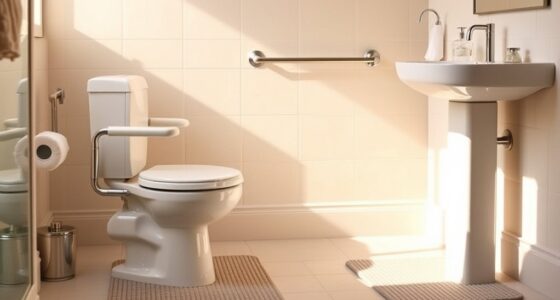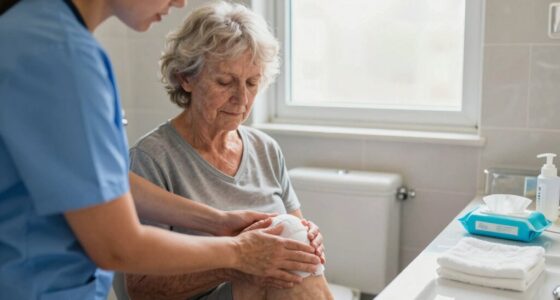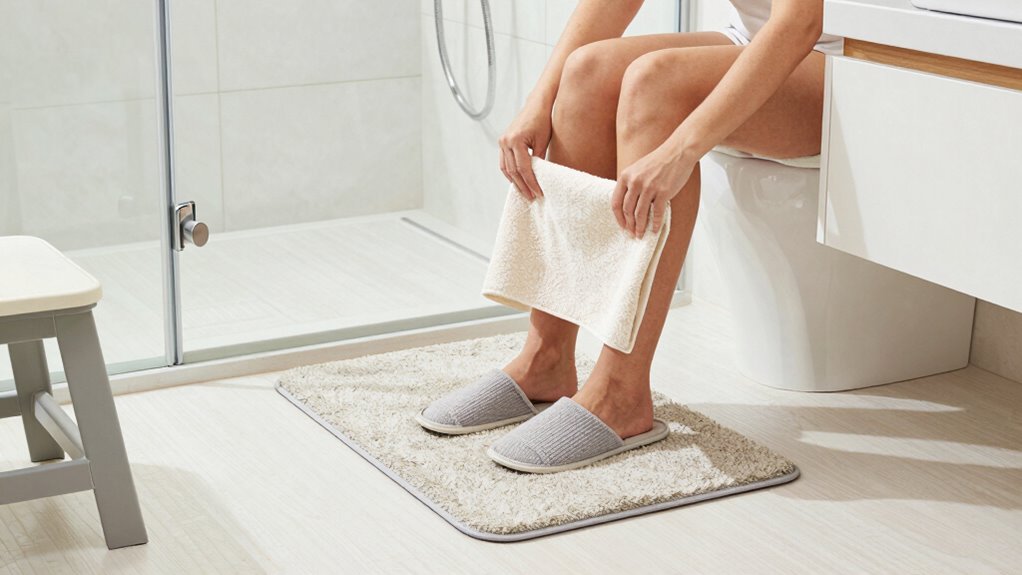

To reduce friction during bathing, grooming, and toileting, use soft, gentle tools like silicone sponges or specialized brushes, avoiding harsh or abrasive materials. Keep supplies within easy reach and use ergonomic tools to minimize strain. Applying moisturizer or barrier creams beforehand can create a protective layer on your skin. Consider environmental modifications like non-slip mats and padded surfaces for extra comfort. For more tips on creating a safer, more comfortable routine, continue exploring these strategies.

Get health and wellness essentials delivered free — and shop member deals
- Fast, free delivery on millions of items
- Access to Prime Big Deal Days deals on October 6–7
- Prime Video, Amazon Music and more included
Key Takeaways
- Use gentle, friction-reducing tools like soft washcloths, silicone sponges, and ergonomic brushes for bathing and grooming.
- Apply lubricants or barrier creams to create a protective layer and reduce skin resistance during routines.
- Create a safe environment with non-slip mats, supportive grab bars, and accessible supplies to minimize unnecessary movements.
- Incorporate cushioned or padded surfaces on chairs and benches to lessen pressure points and skin irritation.
- Choose low-friction fabrics and surfaces, and utilize adaptive, ergonomic tools designed to prevent skin trauma.
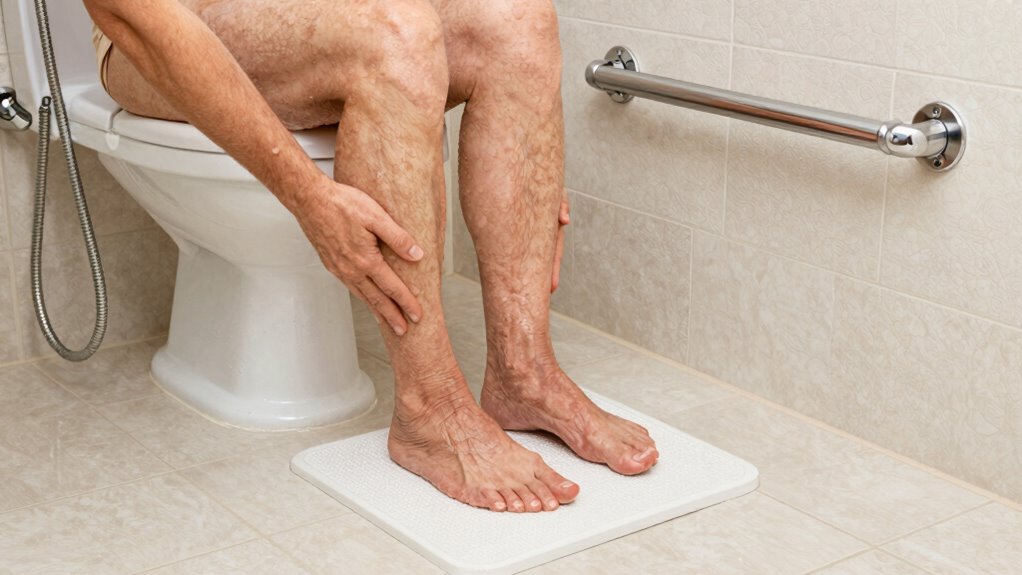
Are you tired of discomfort and skin irritation during bathing, grooming, and toileting? Reducing friction in these daily routines can make a vital difference in your comfort and skin health. One of the most effective ways to achieve this is by adopting adaptive techniques tailored to your needs. These techniques include using gentle, friction-reducing tools like soft washcloths, silicone sponges, or specialized brushes designed to minimize skin trauma. When grooming or bathing, avoid harsh scrubbing or using abrasive materials that can cause irritation or micro-tears in your skin. Instead, focus on gentle, deliberate movements that respect your skin’s sensitivity.
Alongside adaptive techniques, environmental modifications play a pivotal role in reducing friction. Creating a safe, accessible space with non-slip mats, supportive grab bars, and easy-to-reach supplies can help you maneuver with less friction and strain. Proper placement of items, such as soap, shampoo, and towels, ensures you don’t have to reach or tug unnecessarily, which can cause skin friction or discomfort. Using cushioned or padded surfaces on chairs and benches during grooming or toileting can also lessen pressure points and skin irritation. These modifications not only make the environment more comfortable but also promote independence and confidence during daily routines. Incorporating adaptive techniques that are designed to minimize skin trauma can further enhance comfort and safety. Additionally, selecting ergonomic tools that fit comfortably in your hand can help reduce strain and friction during grooming tasks. As the demand for ethical and human-centered approaches grows, there are also emerging opportunities for professionals dedicated to developing and promoting AI-driven healthcare solutions that improve patient comfort.
Incorporating lubricants or barrier creams can further reduce friction, especially if your skin is prone to dryness or sensitivity. Applying a gentle, moisturizing lotion before bathing or grooming creates a protective layer, helping your skin glide smoothly over surfaces and objects. When you’re using tools or handling fabrics, consider lubricants like water or specialized skin-safe gels to decrease resistance. This simple step can markedly diminish the risk of friction burns or chafing. Moreover, choosing appropriate materials for fabrics and surfaces can significantly influence friction levels and overall comfort.
As an affiliate, we earn on qualifying purchases.
Frequently Asked Questions
How Can I Prevent Skin Irritation During Bathing?
To prevent skin irritation during bathing, you should focus on maintaining your skin’s moisture and protection. Use lukewarm water instead of hot, and choose gentle, fragrance-free cleansers. After bathing, follow a consistent moisturizing routine to lock in hydration and strengthen your skin barrier. Avoid harsh scrubbing, and gently pat your skin dry, ensuring your skin remains protected and less prone to irritation during and after bathing.
What Clothing Options Reduce Friction During Grooming?
To reduce friction during grooming, choose clothing made from smooth, soft fabrics like silk or bamboo, which minimize skin irritation. Opt for moisture-wicking clothing to keep skin dry and reduce chafing. Avoid rough or rough-textured fabrics like wool or coarse cotton. Wearing seamless or tagless clothing also helps prevent rubbing and irritation. These fabric choices and moisture-wicking options create a smoother experience and protect your skin during grooming routines.
Are There Specific Products to Minimize Toileting Discomfort?
A caregiver once used toileting aids and comfort cushions to ease discomfort for an elderly patient. You can try silicone cushions or padded toilet seats to reduce friction and enhance comfort during toileting. These products provide a softer surface and support, decreasing skin irritation and pressure. Incorporating toileting aids like grab bars or raised seats also helps you feel more secure, making the process smoother and more comfortable for you.
How Often Should I Check for Skin Redness or Sores?
You should check for skin redness or sores daily, especially if you have a fragile skin barrier. Regular inspections help you spot issues early, preventing infections or further irritation. Focus on moisture control to keep the skin dry and prevent breakdown. If redness or sores appear, adjust your hygiene routine or use protective products to support your skin’s health. Consistent checks make it easier to maintain comfortable, healthy skin during bathing, grooming, and toileting.
Can Friction Reduction Techniques Help With Mobility Issues?
Imagine you’re back in the Victorian era, struggling with mobility challenges—friction reduction techniques can truly help. By minimizing skin-to-surface contact during bathing, grooming, and toileting, these methods make movement smoother and less painful. They reduce shear and pressure, which are common issues for those with mobility challenges. Using padded surfaces, lubricants, or adaptive tools, you can enhance comfort and independence, making daily routines safer and more manageable.
As an affiliate, we earn on qualifying purchases.
Conclusion
By making small adjustments, you can turn bathing, grooming, and toileting into smoother experiences—like oiling the gears of a well-tuned machine. Remember, reducing friction isn’t just about comfort; it’s about preserving dignity and independence. With patience and the right tools, you’ll glide through these routines effortlessly. Embrace these changes, and soon, your daily tasks will feel as easy as a gentle breeze, making each day a little brighter and more comfortable.
As an affiliate, we earn on qualifying purchases.
barrier cream for sensitive skin
As an affiliate, we earn on qualifying purchases.
As an affiliate, we earn on qualifying purchases.
Fall Picks
fall essentials
As an affiliate, we earn on qualifying purchases.