
TL;DR

Get health and wellness essentials delivered free with Prime
- Fast, free delivery on millions of items
- Prime Video, Amazon Music and more included
- Member-only deals all year
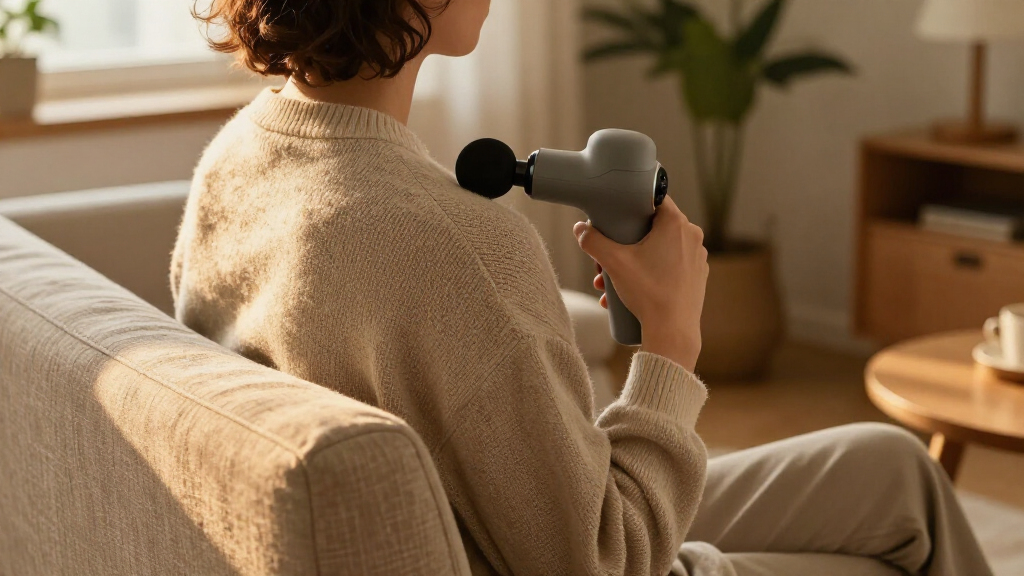
Personal massagers can make tense muscles feel more comfortable through pressure, movement, and a calming sensory experience. The best device depends on where you hold tension: handheld wands for large muscles, percussive guns for brief work on large muscle groups, Shiatsu neck units for desk strain, and foot massagers for end-of-day fatigue. Start gently and follow your device’s instructions; more pressure or longer sessions do not necessarily mean better results. These devices can support relaxation, but they do not treat injuries or replace medical care.
Your shoulders have been climbing toward your ears since 9 a.m. Sound familiar? That dull, tight ache at the end of a long day can make it harder to settle down. A personal massager may help you feel more comfortable, especially when you use it gently and choose a device that suits the area.
But walk into any store or scroll Amazon and you’ll find hundreds of options: massage guns, neck kneaders, wands, shiatsu pillows, foot spas. Prices run from $25 to $600. The differences matter: a device that feels soothing on your feet may be awkward or too intense for your neck, and a higher price does not guarantee a better fit.
In this guide, you’ll learn what massage may do for your body, which device type fits your needs, how to use it comfortably, and when to avoid it. No fluff — just practical ways to decide what works for you.
Choose a device that fits the body area and sensation you find comfortable; more power or a higher price does not guarantee a better fit.
Start gently, follow your device’s instructions, and stop if pressure becomes painful or causes tingling or numbness.
Vibration, kneading, and percussion feel different, but no sensation is best for everyone; choose based on comfort and intended use.
Avoid massaging bones, joints, the front of the neck, and injured areas. Ask a clinician about precautions if you have a relevant health condition or recent su…
A home massager can be a convenient comfort tool, but its cost and effects differ from a professional massage, and it does not replace care for persistent pain.
What a Personal Massager Actually Does to Your Muscles
A personal massager applies pressure, movement, or vibration to soft tissue. Many people find that this temporarily reduces the feeling of tightness or soreness and helps them relax. The effect is not necessarily a muscle being physically “untied”; it may also involve how your nervous system processes touch and discomfort. That distinction matters because feeling better can be useful, but it does not establish that an injury has healed or that a device has changed tissue permanently.
Massage studies have reported changes in stress-related measures, including cortisol and neurotransmitters such as serotonin and dopamine. Those findings can help explain why massage sometimes feels calming, but research on hands-on massage does not show that every home device produces the same biochemical effects. A massager is best thought of as a comfort tool: its results depend on the person, the sensation, and whether the pressure feels pleasant rather than threatening.
Pressure on a sensitive muscle can also prompt a protective response. If the sensation is too intense, your body may brace or tighten, which works against relaxation. Gentle, tolerable pressure gives you a better chance of staying relaxed and noticing whether the area feels more comfortable. This is why the familiar “hurts so good” feeling is not a target to chase: soreness or sharp pain is not proof that the device is working.
Picture the difference: before, your traps feel tense and distracting. After a short, comfortable session with a shiatsu neck massager, they may feel easier to move and less prominent in your attention. That change can make winding down easier, even if it is temporary. If pain persists, worsens, or comes with other symptoms, a massager may mask discomfort without addressing its cause.
Pick Your Device by Where You Hold Tension — Not by Price Tag
The best personal massager for you depends on where you want to use it and what sensation you find comfortable. A device that suits a large thigh muscle may be too forceful or clumsy around the neck. Likewise, a kneading pillow may feel convenient at a desk but will not reach every spot you can target with a handheld wand. Matching the tool to the area helps you use it regularly and comfortably; buying the most powerful model can add cost without solving the actual fit problem.
Here’s how the four main categories stack up. Prices and session times are typical examples, not guarantees; follow the instructions for the device you own.
| Type | Best For | Typical Price | Time Per Session |
|---|---|---|---|
| Massage gun (percussive) | Large muscles: quads, glutes, back, calves | $60–$400 | Brief passes; follow device guidance |
| Shiatsu neck/back massager | Desk strain, neck and shoulder comfort | $30–$90 | Often 10–15 min, per instructions |
| Handheld wand | Spot work you can comfortably reach | $25–$80 | Several minutes, as comfortable |
| Foot massager | End-of-day foot comfort and relaxation | $40–$250 | Often 15–20 min, per instructions |
For example, someone with desk-related neck discomfort might find a massage gun too intense and difficult to position, while a lower-powered kneading collar is easier to use while seated. Someone seeking brief recovery sessions for large leg muscles may value a massage gun’s portability instead. The tradeoff is control: powered kneading and percussion do more of the work, but a simple wand lets you adjust position and pressure directly. Choose the device you’ll use comfortably on the area you have in mind.
How to Use a Massager So It Actually Relaxes You (5 Steps)
Using a personal massager well is about finding a comfortable sensation, not forcing tissue to change. People often press too hard because they assume intensity means effectiveness. In practice, bracing against pressure can make a session less pleasant, while a gentler approach makes it easier to notice what feels helpful. Follow your device instructions and stop if symptoms worsen.
- Get comfortable first. Sit or lie in a position where the area can relax. A warm shower or warm towel may feel soothing, but heat is optional and does not guarantee that massage will reach deeper tissue. Avoid heat if you have reduced sensation or a condition that makes temperature harder to judge.
- Start on the lowest setting. Move slowly over the muscle and let comfort guide you. A device should not cause sharp pain, numbness, or tingling. Starting gently helps you distinguish a pleasant pressure from one that makes you tense.
- Ease around tender spots. If a spot feels mildly tight, pause briefly with light pressure or move around it. There is no need to hold on a knot until it gives way; if discomfort builds or the muscle stiffens, reduce pressure or stop.
- Keep sessions brief and follow the device guidance. There is no universal time limit that suits every device and body part. Prolonged pressure over one area can leave it irritated or sore, so use the manufacturer’s limits and take a break if the skin or muscle becomes uncomfortable.
- Check how you feel afterward. Hydration is sensible as part of ordinary self-care, but there is no need to drink extra water to flush out released toxins. Notice whether movement or comfort improves. If you feel worse, give the area a rest and avoid repeating the same intensity.
The most common mistake is treating pain as a sign of progress. Strong pressure can make you brace and can irritate sensitive tissue. Use a sensation you can breathe through and stop when it stops feeling comfortable.
Vibration vs. Kneading vs. Percussion: Which Sensation Your Body Needs
Massage sensations differ in intensity and feel, but no one type reliably does a particular job for every person. Vibration can feel gentle and soothing; kneading creates a repeated pressing sensation; percussion delivers rapid taps that may feel intense. Choosing among them is mainly about the area, your comfort, and the result you want—such as a relaxing pause or temporary relief from tightness.
- Vibration (buzzing wands, vibrating pillows): may suit people who prefer a light, broad sensation for winding down. Its gentler feel can make it easier to use without bracing, though it may not feel satisfying if you prefer more focused pressure.
- Kneading (shiatsu nodes that rotate and press): may suit stiff-feeling shoulders or backs when the nodes fit the area comfortably. The repeated pressure can feel closer to hands-on massage, but some units press too firmly or land awkwardly; adjust your position or stop if it hurts.
- Percussion (rapid thumping massage guns): may suit brief use on large muscle groups, such as thighs or calves. Its intensity and size make it less suited to delicate areas or anyone who finds the sensation jarring. Use only as the device directs.
Quick scenario: it’s 10 p.m., you’re wired and want a gentle pause before bed — a low-vibration pillow may feel more comfortable than rapid percussion. After leg exercise, brief percussion on a large muscle may be your preference, but it is optional and does not guarantee faster recovery. Using a strong device on an area simply because it is popular can make you tense up instead of relax.
If a sensation makes you tense up or hold your breath, lower the intensity or stop. A useful session should feel tolerable and leave you at least as comfortable as before.
The Safety Lines You Shouldn’t Cross
Personal massagers can be used on healthy muscle tissue, but the right level of caution depends on the device and your health. Avoid direct pressure on bones, joints, the front of the neck, bruises, open wounds, and areas that are injured or unusually sensitive. These areas may be more vulnerable to irritation, and pressure there is unlikely to help ordinary muscle tension.
Ask a doctor or physical therapist before using a massager if you have a history of blood clots, recent surgery, a fracture, a significant spine condition, unexplained pain, or another condition that could affect sensation or tissue healing. A massager should not be used to investigate or treat a possible clot or injury. If you are pregnant or have a cardiovascular condition, ask a clinician about any device-specific precautions; recommendations can depend on your situation and the device.
Stop if you notice sharp or worsening pain, tingling, numbness, unusual swelling, or skin changes. A comfortable session should not require you to wince or brace. If pain persists, keeps returning, or interferes with daily activities, seek medical advice instead of increasing pressure or session length.
Building a 10-Minute Evening Routine That Sticks
A short routine can make a massager easier to remember, but consistency is useful only if the sessions feel comfortable and fit your needs. Pairing a few minutes of gentle use with an existing evening habit can turn it into a simple cue to pause. It does not need to happen every day, and a missed session does not erase any benefit.
Try this: after you change into evening clothes, sit down with your device for a few minutes. Focus on one area that feels tense, then check whether you feel comfortable enough to continue. You could use the remaining time on your feet or shoulders, but you do not need to cover multiple body parts for the routine to count. Dim the lights or put on music if those help you unwind.
A $60 device used 120 times over four months works out to about $0.50 per session before electricity or replacement costs. That can be less expensive than a professional massage, but the experiences are different: a home device offers convenience, while a trained therapist can adjust their approach and assess your feedback. A massager can be useful for everyday comfort, but it is not a substitute for professional care when pain signals a health problem.
The trick is the anchor. Tie the session to something you already do nightly — brushing teeth, changing clothes, closing the laptop — and make it short enough to feel manageable. If you stop enjoying it or it leaves you sore, change the device, pressure, or routine rather than pushing through.
Frequently Asked Questions
How long should I use a personal massager each day?
There is no single duration that suits every device or person. Follow the manufacturer’s instructions, keep pressure comfortable, and avoid repeatedly working one area if it becomes sore or irritated. Massage guns often call for brief passes; longer use is not necessarily more effective.
Are massage guns better than shiatsu massagers?
Neither is better overall — they create different sensations and are designed for different uses. Massage guns deliver percussion and are commonly used briefly on large muscle groups. Shiatsu massagers knead and may be easier to position for some neck or shoulder tension. Pick the device that fits the area and feels comfortable.
Can a personal massager help me sleep better?
A gentle massage may help some people relax as part of a bedtime routine, but research on hands-on massage does not establish that personal massagers improve sleep. Try a comfortable, low-intensity setting if you enjoy it; stop if it feels stimulating or uncomfortable. It is not a treatment for insomnia.
Is it normal for a massager to hurt a little?
Some pressure can feel intense on a tight area, but pain is not required for a massager to be useful. Stop or reduce the intensity if you feel sharp or worsening pain, tingling, or numbness. Avoid pressing harder to chase a “hurts so good” feeling.
Are cheap massagers under $50 worth buying?
They can be, if the device fits your needs, feels comfortable, and comes with clear instructions. Lower-cost models may have fewer settings or attachments, while premium models may offer features you do not need. Compare fit, ease of use, and return or warranty terms rather than relying on price alone.
Conclusion
Here’s the one thing to remember: the best personal massager is the one that suits the area you want to address and feels comfortable when you use it. A few gentle minutes may help you unwind, though results vary and a device cannot diagnose or treat the cause of persistent pain.
Tonight, when your shoulders start their climb toward your ears, try a brief, comfortable session and see how you feel. If it helps, you have a simple tool for winding down; if it hurts or the discomfort keeps returning, give the area a rest and consider getting advice.
Halloween Picks
halloween
As an affiliate, we earn on qualifying purchases.