When you prioritize good hygiene, you boost your confidence and feel more in control of yourself. Cleanliness and grooming create a sense of self-respect, which helps lift your mood. It also improves your appearance, making social interactions easier and more enjoyable. Routine self-care provides stability, especially during stressful times, supporting your mental resilience. If you stick with these habits, you’ll discover how small changes can lead to a more positive and balanced mindset.

Get health and wellness essentials delivered free with Prime
- Fast, free delivery on millions of items
- Prime Video, Amazon Music and more included
- Member-only deals all year
Key Takeaways
- Engaging in hygiene routines provides sensory stimulation that can boost mood and reduce negative thoughts.
- Improved appearance from good hygiene enhances self-confidence, positively influencing emotional well-being.
- Routine self-care fosters a sense of control and accomplishment, contributing to emotional stability.
- Maintaining hygiene signals self-respect, reinforcing positive self-perception and mood.
- Consistent hygiene practices create stability and resilience, helping to manage stress and improve mental health.
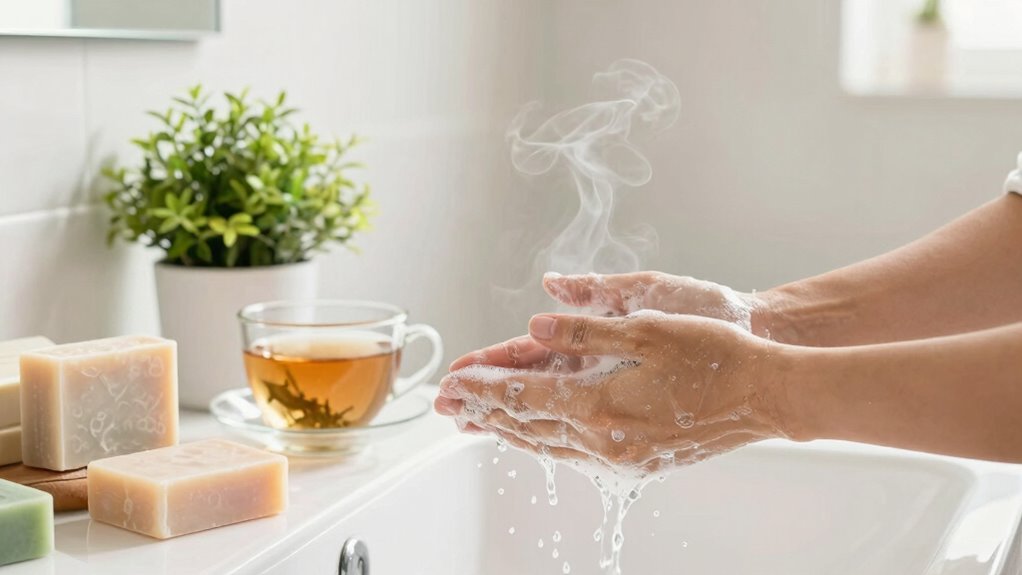
Maintaining good hygiene routines can profoundly influence your mood and overall well-being. When you prioritize personal hygiene, you’re not just caring for your body—you’re also nurturing your mental health. It might seem simple, but the act of washing your face, brushing your teeth, or taking a shower can have a crucial impact on how you feel. These routines help you feel clean and fresh, which boosts your confidence and reduces feelings of discomfort or self-consciousness. When your hygiene is in check, you’re better equipped to face daily challenges with a positive attitude.
Good hygiene boosts confidence and mental well-being, helping you face daily challenges with positivity.
Good personal hygiene acts as a foundation for mental health. When you take the time to care for yourself, it sends a message to your brain that you value and respect yourself. This sense of self-worth can decrease feelings of anxiety and depression. Conversely, neglecting basic hygiene can lead to a downward spiral—feeling unclean might make you withdraw socially, increasing loneliness and negative emotions. Maintaining a routine creates a sense of stability, which is especially important when you’re feeling overwhelmed or stressed. It gives you a structure to rely on, helping to prevent feelings of chaos or loss of control. Additionally, understanding the importance of contrast ratio in visual perceptions can motivate you to create a more comfortable and organized environment, which positively influences your mood. Developing healthy habits like consistent hygiene practices can further reinforce your mental resilience.
Furthermore, engaging in regular hygiene activities can serve as a form of mindfulness. When you focus on the sensation of soap on your skin or the cool splash of water, you anchor yourself in the present moment. This mindfulness can reduce rumination and negative thoughts that often accompany poor mental health. The physical act of grooming can also be a small but effective act of self-care, reminding you that you’re worth the effort. Incorporating routine consistency into your daily practices can help establish habits that support mental stability. Over time, these small routines can help build resilience against mental health struggles, giving you tools to manage your mood better. Incorporating consistent hygiene practices into your daily routine can also enhance your sense of accomplishment and control.
In addition, good hygiene routines often lead to improved social interactions. Feeling clean and well-groomed boosts your self-confidence, making it easier to connect with others. Positive social interactions are linked to better mood and mental health, creating a reinforcing cycle of well-being. When you look and feel good, you’re more likely to engage in social activities, which further elevates your mood. It’s a simple yet powerful way to break the cycle of negative feelings and enhance your overall mental health.
In essence, your personal hygiene routines are more than just about cleanliness—they’re an essential part of maintaining a healthy mind. Taking small, consistent steps to care for yourself can markedly lift your mood, boost confidence, and promote mental well-being. It’s a reminder that self-care isn’t just about appearance; it’s about fostering a positive relationship with yourself and creating a solid foundation for emotional resilience.
best facial cleansers for daily routine
As an affiliate, we earn on qualifying purchases.
As an affiliate, we earn on qualifying purchases.
Frequently Asked Questions
Can Improved Hygiene Routines Reduce Anxiety?
Yes, improved hygiene routines can reduce anxiety by giving you a sense of control and accomplishment, which benefits your mental health. When you maintain good hygiene, you often feel more confident socially, easing social anxiety and making interactions more comfortable. Establishing these routines creates a positive cycle, helping you feel more in control of your well-being and boosting your overall mood and social confidence.
How Quickly Can Hygiene Impact Mood?
You might think mood takes time to shift, but a quick splash of water or fresh scent can brighten your outlook in moments. Personal grooming and scent management instantly boost confidence, making you feel more in control. Within minutes of a shower or freshening up, your mood can lift, proving that small hygiene acts are surprisingly powerful. Ironically, a simple swipe of deodorant might be your fastest route to feeling better.
Are There Specific Hygiene Habits That Boost Happiness?
Yes, practicing personal grooming like regular showering, brushing your teeth, and using fresh hygiene products can boost your happiness. These habits help you feel clean and confident, which lifts your mood. When you take time for yourself and maintain good hygiene routines, you often notice a positive shift in your overall well-being. Small actions like these can make a big difference in how you feel each day.
Does Hygiene Influence Self-Esteem?
Yes, hygiene considerably influences your self-esteem. When you maintain good hygiene, you enhance your self-image, making you feel more confident and positive about yourself. This boost in social confidence can lead to better interactions and relationships. Taking care of your appearance through regular hygiene routines helps you feel more in control, ultimately reinforcing a positive self-perception and encouraging you to face social situations with greater ease.
Can Poor Hygiene Contribute to Depressive Symptoms?
Poor hygiene can definitely contribute to depressive symptoms. When you neglect personal grooming, it can lead to negative social perceptions, making you feel isolated or ashamed. These feelings can deepen depressive thoughts and reduce your motivation to interact. Maintaining good hygiene routines helps you feel more confident and connected, which can lift your mood. Taking care of yourself sends a positive message to your mind, supporting mental well-being.
electric toothbrush for oral hygiene
As an affiliate, we earn on qualifying purchases.
As an affiliate, we earn on qualifying purchases.
Conclusion
By establishing better hygiene routines, you not only boost your physical health but also lift your mood. When you take time for personal care, you create a sense of accomplishment and control that can markedly reduce stress. Notably, a survey found that nearly 70% of people reported feeling more confident and happier after improving their hygiene habits. So, by simply taking care of yourself, you’re investing in both your well-being and your mental health—it’s a win-win!
luxury shower gels for mood boost
As an affiliate, we earn on qualifying purchases.
As an affiliate, we earn on qualifying purchases.
As an affiliate, we earn on qualifying purchases.
Cold & flu season Picks
humidifiers
As an affiliate, we earn on qualifying purchases.