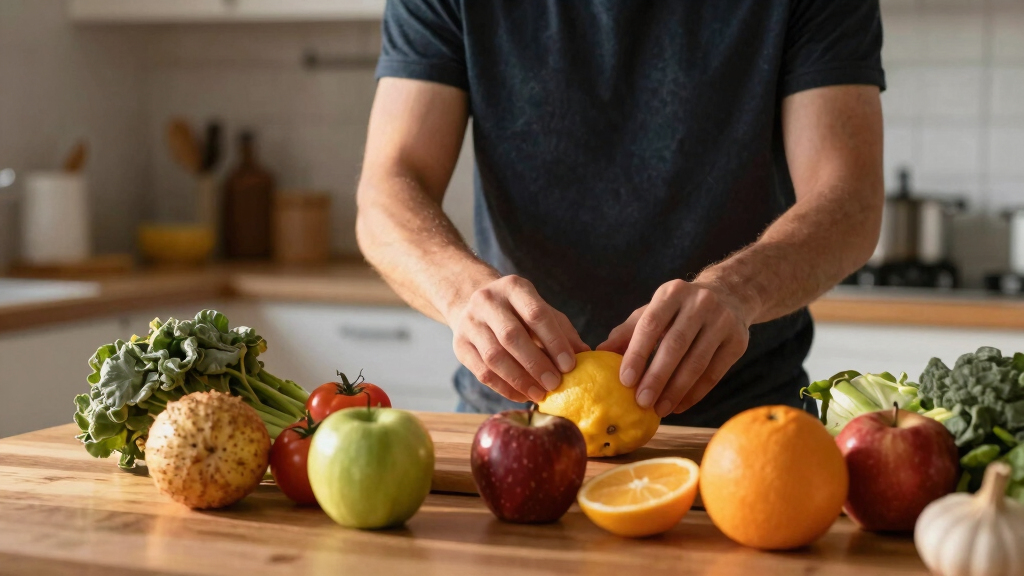

TL;DR

Get health and wellness essentials delivered free — and shop member deals
- Fast, free delivery on millions of items
- Access to Prime Big Deal Days deals on October 6–7
- Prime Video, Amazon Music and more included
Health authorities warn consumers to avoid specific foods linked to recent cyclosporiasis outbreaks. The CDC has identified contaminated produce, mainly imported lettuce and berries, as sources. The guidance aims to reduce infection risk amid ongoing investigations.
Health authorities have issued warnings to avoid specific foods, including imported lettuce and berries, due to their association with recent cyclosporiasis outbreaks. The Centers for Disease Control and Prevention (CDC) confirmed that contaminated produce is the primary source of infections in multiple states, emphasizing the importance of consumer awareness to prevent illness.
The CDC and state health departments have linked recent cyclosporiasis cases to imported leafy greens and berries, which are suspected to be contaminated with Cyclospora cayetanensis, a parasite causing gastrointestinal illness. The outbreaks have affected several states, including Indiana, Ohio, and Illinois, with dozens of confirmed cases. The contaminated produce is believed to have been distributed through various retail outlets, prompting widespread advisories.
Health officials emphasize that the parasite is not spread person-to-person but through ingestion of contaminated food or water. The CDC recommends avoiding raw or unwashed produce from sources linked to the outbreak, especially imported lettuce, cilantro, and berries. No deaths have been reported, but symptoms can include diarrhea, cramping, nausea, and fatigue, lasting for several weeks if untreated.
Why Avoiding Certain Foods Is Critical During Outbreaks
This warning matters because consuming contaminated produce can lead to prolonged illness, particularly affecting vulnerable populations such as the elderly and immunocompromised. Avoiding the implicated foods can significantly reduce infection risk during active outbreaks. Public health officials stress the importance of proper food handling, washing, and sourcing to prevent further cases.
produce wash for berries and leafy greens
As an affiliate, we earn on qualifying purchases.
As an affiliate, we earn on qualifying purchases.
Recent Cyclosporiasis Outbreaks Linked to Imported Produce
Over the past month, multiple states have reported increased cases of cyclosporiasis, a parasitic infection caused by Cyclospora cayetanensis. The CDC has traced these cases to contaminated imported leafy greens and berries, which are often consumed raw. Outbreak investigations began after several patients reported eating similar types of produce purchased from various grocery stores. The parasite is known to thrive in warm, moist environments, making contaminated produce a common vector. This is part of a broader pattern of foodborne illnesses linked to imported fresh produce, which has raised concerns about supply chain safety and import controls.
“Consumers should avoid raw produce from sources linked to the outbreak to reduce their risk of infection.”
— Dr. Jane Smith, CDC Epidemiologist
As an affiliate, we earn on qualifying purchases.
Unresolved Questions About the Outbreak Source and Scope
It remains unclear which specific farms or suppliers are responsible for the contamination, and whether the outbreak is ongoing or has peaked. Investigations are still underway to determine the full extent of the distribution network and whether additional produce items are involved. There is also uncertainty about the effectiveness of current recalls and the timeline for lifting advisories.
produce storage containers with lids
As an affiliate, we earn on qualifying purchases.
As an affiliate, we earn on qualifying purchases.
Next Steps in Outbreak Investigation and Public Guidance
Health agencies plan to continue testing and tracing the distribution of implicated produce, with updates expected in the coming weeks. Consumers are advised to stay informed through official channels and follow guidance on food safety. Retailers and suppliers are expected to implement stricter controls and review sourcing practices to prevent future contamination. Further public advisories may be issued as investigations progress.
food safety gloves for handling produce
As an affiliate, we earn on qualifying purchases.
As an affiliate, we earn on qualifying purchases.
Key Questions
Which foods are currently advised to be avoided?
Consumers are advised to avoid raw, unwashed imported lettuce, berries, and cilantro linked to recent outbreaks, especially from specific sources identified by health authorities.
How can I tell if my produce is safe?
Check for official recalls or advisories from health agencies and avoid produce from sources under investigation. Washing produce thoroughly can reduce risk but may not eliminate Cyclospora.
What are the symptoms of cyclosporiasis?
Symptoms include diarrhea, cramping, nausea, and fatigue, typically appearing one week after ingestion. Severe cases may require medical treatment.
Is there a risk of person-to-person transmission?
No, cyclosporiasis is not spread through person-to-person contact but through contaminated food or water.
When will the advisories be lifted?
It is not yet clear when health authorities will lift current advisories; updates depend on ongoing investigations and testing results.
Source: google-trends
Fall Picks
fall essentials
As an affiliate, we earn on qualifying purchases.