
You should update your medication list whenever you start or stop a medication, take new supplements, or experience new symptoms or side effects. Changes in your health, like surgeries or hospital stays, also mean it’s time to review and refresh your list. Regular updates help guarantee your healthcare providers have accurate info to prevent dangerous interactions. Keep an eye on these signs—there’s more to learn about keeping your list current and safe.
Key Takeaways
- Starting new medications, supplements, or herbal remedies requires updating your list.
- Experiencing new symptoms or side effects indicates a need to review your medications.
- Changes in health status, diagnoses, or recent surgeries should prompt an update.
- Post-hospitalization or emergency visits often necessitate revising your medication list.
- Discontinuing medications or receiving provider advice to update signals it’s time to review.
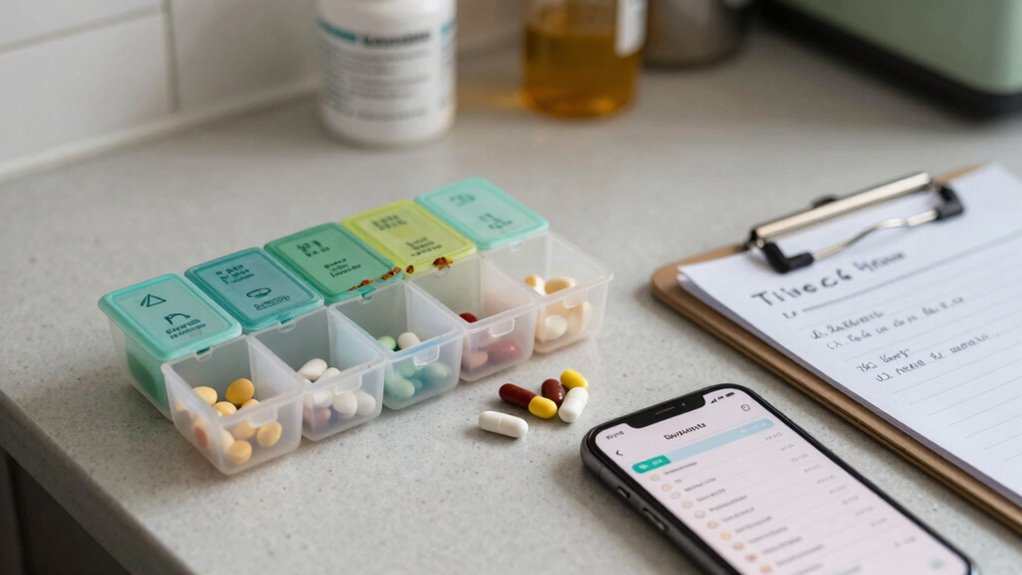
Keeping your medication list current is essential for your safety and effective healthcare. When your list isn’t up to date, you risk medication interactions that can cause adverse effects or reduce the effectiveness of your treatments. It’s important to review and update your list regularly, especially when you start a new medication or experience changes in your health. Healthcare providers rely on this information to avoid dangerous drug interactions, so providing an accurate list can prevent complications. If you notice discrepancies during appointments, or if your doctor asks about your medications, it’s a sign your list might need an update.
Keeping your medication list up to date is vital for safety and effective healthcare.
Prescription renewals are a key indicator that your medication list needs review. When you’re approaching the end of your prescription period, your provider will typically renew your medication if it’s still appropriate. During this process, it’s a good time to double-check your list to make sure it reflects all current medications, including any over-the-counter drugs, supplements, or herbal remedies you might be taking. Sometimes, you may forget to mention a medication or supplement, which could lead to potential interactions. Updating your list during renewal appointments helps keep everything accurate and minimizes the risk of adverse interactions. Additionally, understanding the role of technology in managing medication records can help streamline this process.
Additional signs that your medication list needs updating include experiencing new symptoms or side effects. If you start feeling unusual or notice new health issues, it could be related to medications you’re taking. Sharing these symptoms with your healthcare provider and reviewing your list together helps identify any problematic drug interactions. Similarly, if your health condition has changed, such as a new diagnosis or surgery, your medications might need adjusting or discontinuing. Keeping an updated list ensures your healthcare team can make informed decisions about your treatment plan. Regularly reviewing medication lists can also help catch errors or omissions early. Staying informed about medication management best practices can further support your safety. Furthermore, staying organized can prevent medication errors and improve your overall health outcomes.
Another reason to update your medication list is if you’ve recently been hospitalized or visited an emergency room. Hospitals often prescribe new medications or adjust existing ones, and these changes need to be reflected accurately. Failing to update your list afterward can lead to confusion or unsafe medication interactions later on. Regularly reviewing your medications at home, especially after significant health events, keeps your list accurate and thorough.
Finally, always update your medication list if you’ve stopped taking a medication or if a healthcare provider has advised you to do so. This prevents accidental re-prescription or dangerous interactions if new medications are added. Staying proactive about your medication management ensures your safety, reduces the risk of errors, and supports your overall health. By keeping your list current and reviewing it regularly, you empower yourself to participate actively in your healthcare and avoid avoidable complications. Additionally, understanding the importance of vetted information can help you make informed decisions about your medications.

Betife Automatic Pill Dispenser,28-Day Smart Bluetooth Pill Box, Easy Setup
- Full App Control & Bluetooth Sync: Seamless app and Bluetooth connection
- Customizable Medication Management: Set alarms, names, and upload pill images
- On-Device LCD & Physical Buttons: Easy manual operation with clear display
As an affiliate, we earn on qualifying purchases.
As an affiliate, we earn on qualifying purchases.
Frequently Asked Questions
How Often Should I Review My Medication List?
You should review your medication list at least every three to six months to guarantee medication accuracy. Also, update it promptly whenever you have prescription changes, new medications, or if any medications are discontinued. Regular reviews help prevent harmful drug interactions and ensure your healthcare providers have the most current information. Staying proactive about your medication list keeps you safe and ensures your treatments are always accurate and effective.
Who Is Responsible for Updating My Medication List?
Imagine your medication list as a map guiding your health journey—you’re responsible for keeping it accurate. You should update it whenever you see a new provider, fill new prescriptions, or experience changes in your health. Your healthcare provider plays a vital role too, ensuring medication accuracy through clear communication. By actively maintaining and sharing your list, you help prevent errors, ensuring your treatment remains safe and effective.
Can I Update My Medication List Myself?
Yes, you can update your medication list yourself. Regularly review your list for medication side effects and note any new or discontinued drugs. When you visit the pharmacy, inform them of any changes to avoid adverse pharmacy interactions. Keep an up-to-date list handy, and don’t hesitate to ask your healthcare provider to verify it during appointments. Staying proactive guarantees your medication list remains accurate and safe.
What Should I Do if I Notice Discrepancies?
When you spot discrepancies, think of your medication list as a compass guiding your health journey. If you notice medication side effects or pharmacy interactions that don’t seem right, act swiftly. Contact your healthcare provider to clarify and update your list. Don’t ignore these warning signs; they could lead you off course. Maintaining your list accurate ensures your treatment stays aligned and safe, avoiding potential pitfalls.
Are There Digital Tools to Help Manage Medication Updates?
Yes, there are digital tools like pharmacy apps and medication trackers that help you manage updates easily. You can sync these tools with your healthcare provider’s records, set reminders for refills or changes, and keep your medication list current. By using these apps, you get real-time updates, reduce errors, and stay organized. They make it simple to guarantee your medication list accurately reflects your current prescriptions and health needs.
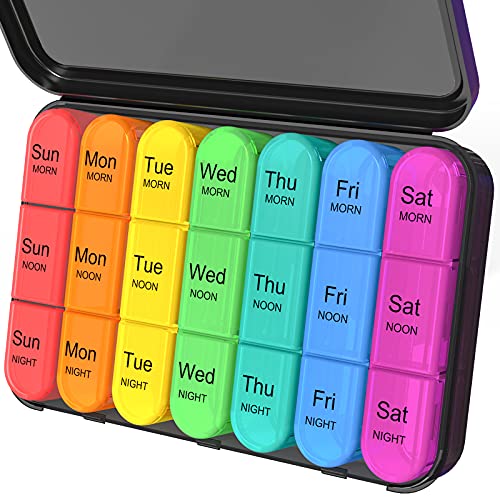
Daviky Pill Organizer 3 Times a Day, Pill Box 7 Day, Weekly Travel Case
- Portable and Spacious: Compact design with ample storage for travel
- Three Daily Compartments: Organize pills three times a day easily
- Durable Labeling: Bold, long-lasting day labels with 3M adhesive
As an affiliate, we earn on qualifying purchases.
As an affiliate, we earn on qualifying purchases.
Conclusion
Regularly reviewing your medication list keeps your health on track. Check for changes, update for accuracy, and verify with your healthcare provider. Keep your list clear, current, and complete. Refresh it after doctor visits, medication changes, or new prescriptions. Stay vigilant, stay organized, and stay safe. An up-to-date list isn’t just a document; it’s your safeguard, your guide, and your peace of mind. Keep it current, keep it correct, and keep your health in your hands.

24 Pack Red Emergency Medical ID Wallet – Pocket Size, Medication List, Caretaker Cards
- Medical Alert Wallet Id Card: These Emergency Medical Identification Cards…
- Product Size: Each cut out Tri-fold card…
- What's Included: The 24-pack of medical alert…
As an affiliate, we earn on qualifying purchases.
As an affiliate, we earn on qualifying purchases.

BookFactory Medication Log Book, 6" x 9" Wire-O, 110 Pages
- Made in USA: Produced in Ohio by Veteran-owned business
- Versatile Use: Suitable for personal or professional medical tracking
- Daily Medication Log: Track dosages, times, and reactions daily
As an affiliate, we earn on qualifying purchases.
As an affiliate, we earn on qualifying purchases.