
TL;DR
The Consumer Product Safety Commission (CPSC) has initiated a new program to collect emergency room data related to consumer product injuries. This move aims to enhance safety oversight but raises concerns about data privacy and management. The development is ongoing, with further details expected soon.
The Consumer Product Safety Commission (CPSC) has begun collecting emergency room data on injuries related to consumer products, marking a significant shift in its safety oversight approach. This new initiative aims to gather detailed injury reports directly from hospitals to identify hazards more rapidly and improve product safety regulations. The move comes amid increasing calls for enhanced data transparency and safety measures, and it is expected to influence future regulatory actions.
According to official statements from the CPSC, the agency has started collecting emergency room data from hospitals across the United States to track injuries linked to consumer products. This data collection is part of a broader effort to identify safety risks more efficiently and to respond more swiftly to emerging hazards. The program was announced earlier this month and is currently in the initial implementation phase, with pilot hospitals submitting injury reports that include details about the product involved, injury type, and severity.
Sources within the agency confirmed that the data collection process is designed to be secure and anonymized, with strict privacy protections in place. The initiative was reportedly prompted by previous challenges in obtaining comprehensive injury data, which hampered timely regulatory responses. The CPSC has emphasized that the data will be used solely for safety analysis and regulatory decision-making, not for enforcement or individual tracking.
Implications for Consumer Safety Oversight
This development could significantly enhance the CPSC’s ability to identify dangerous products more quickly, potentially preventing injuries and saving lives. By obtaining real-time injury data from emergency rooms, the agency aims to act faster on emerging hazards, possibly leading to earlier recalls or safety warnings. However, the initiative also raises concerns about data privacy and the scope of government data collection, which some consumer advocates and hospitals have questioned. The move signals a shift toward more proactive safety monitoring, but its long-term impact remains uncertain.
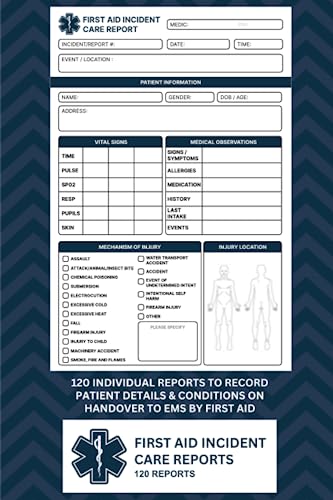
FIRST AID INCIDENT CARE REPORTS: 120 individual reports to record patient details & conditions on handover to EMS by First Aid
As an affiliate, we earn on qualifying purchases.
As an affiliate, we earn on qualifying purchases.
Background on CPSC Data Collection Efforts
The CPSC has historically relied on voluntary reports from manufacturers, consumers, and hospitals to monitor product safety issues. However, these sources often provided incomplete or delayed information, limiting the agency’s ability to respond swiftly. In recent years, there have been calls from lawmakers and safety advocates for more comprehensive and real-time injury data collection. The Trump administration previously proposed demands for hospitals to share emergency room records, which faced legal and privacy challenges. The current initiative reflects a renewed effort to modernize data collection practices, building on these earlier proposals and integrating new technology solutions.
“This new data collection initiative marks a major step forward in our ability to protect consumers. Real-time injury data will allow us to respond faster and more effectively to emerging safety threats.”
— CPSC Chair Alex Johnson

Dementia Medical Alert Seniors One Button Fall Detection GPS $14.99 Mo.
- Affordable Monthly Plans: From $14.99/month with annual payment
- Unlimited Calls: Unlimited incoming and outgoing calls
- Easy One-Button Emergency: Simple button for instant help
As an affiliate, we earn on qualifying purchases.
As an affiliate, we earn on qualifying purchases.
Details on Data Privacy and Scope Still Unclear
It is not yet clear how the CPSC will handle patient privacy protections, what specific data will be collected, or how hospitals are expected to comply with the new reporting requirements. The legal framework and safeguards are still being finalized, and the extent of data sharing remains uncertain. Additionally, the impact on hospital operations and whether the data collection will be expanded nationally are still under discussion.

Electric Sharp Edge Tester for Toys, ASTM F963 Compliant. Portable Safety Inspection Tool with Foot Switch. Complete Kit for Child Product Compliance Testing, Compact Design for Lab Use
- Precise Compliance Testing: Verifies toy safety standards
- Complete Kit & Compact Design: Includes tester, foot switch, charger, manual
- User-Friendly Operation: Hands-free testing with foot switch
As an affiliate, we earn on qualifying purchases.
As an affiliate, we earn on qualifying purchases.
Next Steps Include Expanded Hospital Participation
The CPSC plans to expand the pilot program to more hospitals over the coming months, with a goal of nationwide implementation by late 2024. The agency is expected to release detailed guidelines on data privacy and reporting procedures soon. Stakeholders, including hospitals, consumer groups, and lawmakers, will likely scrutinize the program’s effectiveness and privacy safeguards during this period. Further updates on the scope and impact of the data collection are anticipated as the initiative progresses.
![Free Fling File Transfer Software for Windows [PC Download]](https://m.media-amazon.com/images/I/41Vq6ZqHfjL._SL500_.jpg)
Free Fling File Transfer Software for Windows [PC Download]
- User-Friendly FTP Interface: Intuitive FTP client interface
- Reliable Site Maintenance: Easy and dependable FTP site management
- FTP Automation & Sync: Automate and synchronize FTP transfers
As an affiliate, we earn on qualifying purchases.
As an affiliate, we earn on qualifying purchases.
Key Questions
What types of injuries are included in the data collection?
The data will include injuries related to consumer products that result in emergency room visits, such as burns, cuts, or fractures caused by household items, toys, or other consumer goods.
How will patient privacy be protected?
The CPSC has stated that the data collected will be anonymized and secured, with strict privacy protections in place. Details on specific safeguards are still being finalized.
Will this data collection lead to new product recalls?
While the primary goal is to improve safety oversight and respond more quickly to hazards, the data could inform future recalls or safety warnings if dangerous products are identified.
Is this initiative mandatory for hospitals?
The program is currently voluntary during the pilot phase, but the CPSC plans to seek broader compliance as it expands nationwide.
When will the full implementation be completed?
The CPSC aims to complete nationwide implementation by late 2024, with ongoing assessments and updates during the rollout process.
Source: google-trends