

TL;DR
The Biden administration has mandated hospitals to share emergency room records, citing public health needs. This move has sparked debate over privacy and government oversight. The development is ongoing, with legal and policy implications still unfolding.
The Biden administration has mandated that hospitals share emergency room records with federal agencies, a move confirmed by officials to enhance public health data collection. This requirement, announced in April 2024, aims to improve disease tracking and resource allocation but has raised concerns over patient privacy and hospital compliance.
According to a statement from the Department of Health and Human Services (HHS), the new policy requires hospitals to submit detailed emergency room visit data to federal health authorities. The data includes patient demographics, diagnoses, and treatment details, and is intended to support national health surveillance efforts.
Health officials emphasize that this data collection is crucial for managing public health emergencies, such as infectious disease outbreaks, and for improving healthcare delivery systems. The rule applies to hospitals nationwide, with compliance deadlines set for the coming months.
Legal challenges and privacy concerns have emerged from hospital associations and privacy advocates, who argue that the requirement could infringe on patient confidentiality and overreach government authority. The Biden administration maintains that all data will be protected under existing privacy laws and used solely for public health purposes.
Implications for Privacy and Healthcare Oversight
This development marks a significant shift in federal oversight of healthcare data, with potential impacts on patient privacy and hospital operations. The requirement could enhance disease tracking and emergency response but also raises questions about data security and consent. Healthcare providers and privacy advocates are closely monitoring legal challenges and policy debates that could influence future data-sharing practices.
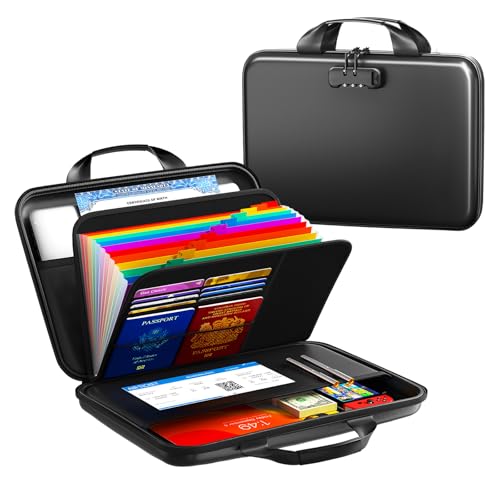
IPYIPY Fireproof Document Organizer with Lock, Semi-Rigid EVA Shell File Box with 13-Pocket Accordion Folder, Water-Resistant Storage for Important Documents, Passports & Certificates
- Fireproof and Water-Resistant: Protects documents from fire, water, and damage
- 13-Pocket Accordion Organizer: Keeps documents sorted and accessible
- Semi-Rigid EVA Shell: Provides flexible protection and portability
As an affiliate, we earn on qualifying purchases.
As an affiliate, we earn on qualifying purchases.
Background on Emergency Data Collection Policies
Previous administrations have collected healthcare data for research and public health, but the current mandate represents a more comprehensive and mandatory approach. The policy follows ongoing efforts to leverage health data for better emergency preparedness, especially in light of recent infectious disease outbreaks. Critics argue that similar measures under past administrations faced legal and privacy hurdles, which are now being revisited.
“This new requirement will help us better understand and respond to public health emergencies, saving lives and resources.”
— HHS Secretary Xavier Becerra

JWM RFID Guard Patrol System Security Guard Tour Wand with LCD Screen
- Button-Free RFID Operation: Automatic checkpoint reading with feedback
- Large Storage Capacity: Stores up to 60,000 records
- Fast Data Transfer: Uploads 8,000 logs per minute
As an affiliate, we earn on qualifying purchases.
As an affiliate, we earn on qualifying purchases.
Legal and Privacy Challenges Still Unfolding
Legal challenges to the mandate are expected from hospital associations and privacy groups, but the outcomes are not yet clear. It is also uncertain how strictly hospitals will implement the requirements and how data will be protected from breaches or misuse. The Biden administration has stated that privacy safeguards are in place, but critics remain skeptical.

Exit Door Alarm with 110dB Siren, Emergency Exit Security Device, Easy Installation, Battery Powered, Magnetic Sensor for Unauthorized Entry Prevention, Home, Warehouse, Office, Retail Use
- Loud 110dB Siren: Instant alert for unauthorized entry
- Easy Wireless Installation: No wiring required, quick setup
- Versatile & Compact Design: Suitable for various locations
As an affiliate, we earn on qualifying purchases.
As an affiliate, we earn on qualifying purchases.
Legal Battles and Implementation Deadlines Await
Legal proceedings challenging the mandate are likely to begin in the coming months, potentially delaying or modifying the policy. Hospitals are preparing compliance plans, with some questioning the practicality and privacy protections. Federal agencies are expected to monitor implementation and respond to legal rulings, shaping the future of healthcare data sharing.

ComplyRight HIPAA Patient Ack. of Receipt of Notice of Privacy Practices | 8-1/2” x 11” | Medical Form | 200 Pack
- Compliance with HIPAA regulations: Ensures legal privacy documentation
- Includes all required elements: Validates patient acknowledgment
- Attorney-approved form: Ensures legal compliance and clarity
As an affiliate, we earn on qualifying purchases.
As an affiliate, we earn on qualifying purchases.
Key Questions
The administration says the data will improve public health surveillance, disease tracking, and emergency response capabilities.
Could this mandate violate patient privacy laws?
Officials claim that all data will be protected under existing privacy laws, but privacy advocates worry about potential breaches and misuse.
How are hospitals responding to this requirement?
Many hospitals are preparing to comply but have raised concerns about privacy, administrative burden, and legal challenges.
When will the legal challenges be resolved?
It is unclear when courts will rule on the challenges, but legal proceedings are expected to unfold over the next several months.
What are the next steps for this policy?
Implementation efforts are underway, with federal agencies monitoring compliance and legal developments shaping future regulations.
Source: google-trends