
TL;DR

Get health and wellness essentials delivered free with Prime
- Fast, free delivery on millions of items
- Prime Video, Amazon Music and more included
- Member-only deals all year
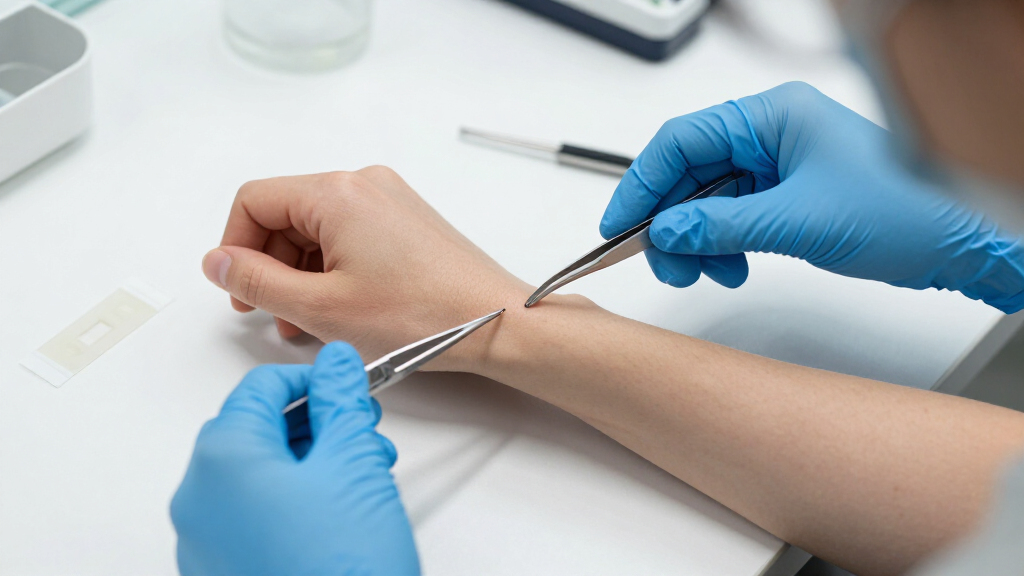
A new at-home testing kit for ticks is under development, aiming to identify Lyme Disease-infected ticks more easily. This innovation could lead to quicker diagnosis and treatment, but is still in the testing phase.
Researchers are working on an at-home testing kit for ticks that could help individuals determine if a tick is infected with Lyme Disease bacteria. This development aims to improve early diagnosis and reduce the risk of disease transmission, marking a significant step in personal health management.
The new testing kit is currently in the trial phase, with scientists at the University of Vermont leading the research. It allows users to collect a tick, perform a simple test at home, and receive results within hours. The kit detects the presence of Borrelia burgdorferi, the bacteria responsible for Lyme Disease, which is transmitted through tick bites.
According to Dr. Sarah Miller, lead researcher, “Our goal is to empower individuals with a quick, accessible way to assess tick infection risk before deciding on medical treatment.” The device uses a small sample from the tick, analyzed via a portable, user-friendly testing strip. Initial trials have shown promising accuracy, but further validation is needed before commercial release.
Potential Impact on Lyme Disease Prevention and Diagnosis
This innovation could significantly improve public health by enabling early detection of infected ticks, reducing the chances of delayed Lyme Disease diagnosis. Early identification can lead to prompt treatment, which is crucial for preventing long-term health issues associated with the disease. Additionally, it could reduce unnecessary antibiotic use for bites from uninfected ticks, helping combat antibiotic resistance.
As an affiliate, we earn on qualifying purchases.
Growing Need for Accessible Lyme Disease Testing Solutions
Lyme Disease is the most common vector-borne illness in the United States, with over 476,000 cases estimated annually, according to the CDC. Currently, diagnosis relies on symptom assessment and laboratory testing after symptoms appear, often days or weeks after a bite. Prevention primarily involves avoiding tick habitats and removing ticks promptly, but identifying infected ticks remains a challenge.
Existing methods for testing ticks are typically limited to laboratory analysis, which can take days and is not accessible to most individuals. The development of a reliable at-home test aims to fill this gap, especially in rural or high-risk areas.
“Our goal is to empower individuals with a quick, accessible way to assess tick infection risk before deciding on medical treatment.”
— Dr. Sarah Miller, lead researcher
As an affiliate, we earn on qualifying purchases.
Uncertainties About Test Accuracy and Accessibility
While initial results are promising, it is not yet clear how accurate or reliable the test will be in large-scale use. Further clinical trials are necessary to confirm its sensitivity and specificity. Additionally, questions remain about the cost, ease of use, and availability of the kit once approved for commercial distribution.
As an affiliate, we earn on qualifying purchases.
Next Steps in Validation and Commercialization
Researchers plan to expand clinical trials to validate the test’s accuracy across diverse populations and tick species. Pending successful results, the team aims to seek regulatory approval and partner with manufacturers to bring the kit to market within the next 1-2 years. Public health agencies are also monitoring the development for potential integration into Lyme Disease prevention strategies.
As an affiliate, we earn on qualifying purchases.
Key Questions
How does the at-home tick test work?
The test involves collecting a tick, placing it into a provided container, and using a testing strip that detects the presence of Lyme Disease bacteria. Results are available within hours, indicating whether the tick was infected.
Can this test replace laboratory testing for Lyme Disease?
No, the test is designed for initial screening of ticks, not for diagnosing Lyme Disease in humans. Medical testing and consultation remain essential for diagnosis and treatment.
When will the test be available to the public?
The developers expect to complete further trials within the next year, with potential market availability within 1-2 years, pending regulatory approval.
Will the test be affordable for most users?
Pricing details are not yet finalized, but researchers aim to make the kit affordable and accessible, especially for high-risk communities.
How reliable is the test likely to be?
Initial studies show promising accuracy, but comprehensive validation is still underway. Its reliability will depend on further testing and regulatory approval.
Source: hn
Halloween Picks
halloween
As an affiliate, we earn on qualifying purchases.