

TL;DR
Recent studies indicate that engaging in physical activities and sharing meals could aid in maintaining sobriety. Experts caution that more research is needed to confirm these approaches’ effectiveness.
Recent studies suggest that engaging in rock climbing, weight lifting, and shared meals may help some individuals maintain sobriety. While these approaches are gaining attention as complementary strategies, experts emphasize that definitive evidence is still emerging.
Researchers have observed that physical activities such as rock climbing and weight lifting can improve mental health and reduce cravings associated with addiction. A small-scale study published earlier this year found that participants involved in regular physical exercise reported higher levels of motivation to stay sober. Additionally, communal meals and social eating have been linked to increased social support and decreased feelings of isolation, which are known risk factors for relapse. However, these findings are preliminary, and larger, controlled studies are needed to establish causality and determine the effectiveness of these interventions as part of addiction recovery programs.Experts caution that while physical activity and social engagement show promise, they should complement, not replace, evidence-based treatments like counseling and medication-assisted therapy. The research is still in early stages, with ongoing trials aiming to clarify how these activities influence long-term sobriety and which populations might benefit most.
Potential New Strategies for Supporting Sobriety
If validated through further research, incorporating activities like rock climbing, weight lifting, and communal meals into addiction recovery programs could offer accessible, non-pharmacological options to support individuals in maintaining sobriety. These approaches could also enhance mental health, social connection, and overall well-being, reducing relapse rates and improving quality of life for recovering individuals.
BLACK DIAMOND Men's Momentum Harness, Rock Climbing, Anthracite, MD
- All-Day Comfort: Dual Core Construction for even weight distribution
- Easy Adjustments: Pre-threaded Speed Adjust buckle and trakFIT leg loops
- Gear-Ready Design: Four gear loops and haul loop for organization
As an affiliate, we earn on qualifying purchases.
As an affiliate, we earn on qualifying purchases.
Addiction recovery traditionally relies on therapy, medication, and peer support groups. Recently, some studies have begun exploring the role of physical activity and social engagement as supplementary tools. Early research indicates that exercise can improve mood and reduce cravings, while shared meals foster social bonds that may counteract isolation—a common relapse trigger. However, most evidence remains preliminary, with few large-scale or long-term studies available. The idea aligns with broader wellness trends emphasizing holistic approaches to mental health and addiction recovery.
“Physical activity has shown potential as a supportive tool in sobriety, but it should be viewed as part of a comprehensive treatment plan.”
— Dr. Lisa Chen, addiction specialist
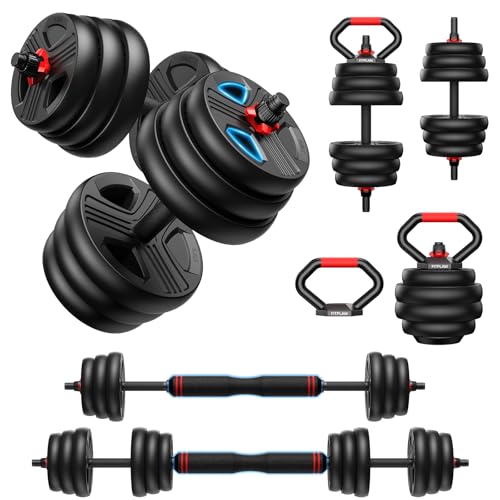
FDS1 Adjustable dumbbell set, 45lbs Free Weights set with upgraded nut, 5 in 1 Weight Set Used as Kettlebells, Barbell, Push up Stand, Fitness Exercise for Home Gym Suitable Men/Women
- Multifunctional 5-in-1 Design: Transforms into dumbbells, kettlebells, barbells, and more
- Dual-Lock Nut System: Red and black locks prevent weight shifting
- Adjustable Weight Options: Customize weights from light to heavy
As an affiliate, we earn on qualifying purchases.
As an affiliate, we earn on qualifying purchases.
Unconfirmed Evidence and Ongoing Research Efforts
While initial findings are promising, there is limited large-scale, long-term data confirming the effectiveness of physical activities and social eating in sustaining sobriety. Researchers caution that more rigorous studies are needed to establish causality and determine which activities are most beneficial for different populations. It is also unclear how these approaches compare to or integrate with existing treatments.
50 Pack (100-Piece) 32 oz Meal Prep Containers with Easy Open Lids, Black
- Durable and Reusable Material: Made of thick, sturdy plastic for durability
- Leakproof and Stackable Design: Tight lids prevent leaks and allow stacking
- Microwave and Freezer Safe: BPA-free containers withstand -4℉ to 248℉
As an affiliate, we earn on qualifying purchases.
As an affiliate, we earn on qualifying purchases.
Upcoming Studies and Integration into Treatment Programs
Researchers plan to conduct larger, controlled trials over the next few years to better understand how activities like rock climbing and shared meals can support sobriety. Mental health and addiction treatment providers are also exploring ways to incorporate these activities into comprehensive recovery programs, pending further evidence. Policymakers and clinicians will closely monitor emerging data to inform best practices.
Somatic Therapy Cards for Nervous System Regulation – Self-Care & Coping Skills Exercise for Mental Health Therapists, Mindfulness & Anxiety Relief Tools, Ideal Mental Health Gifts & Therapy Games
- Number of Exercises: 32 somatic therapy cards
- Portability: Includes key ring for easy carrying
- Time-efficient: Exercises take 3-10 minutes
As an affiliate, we earn on qualifying purchases.
As an affiliate, we earn on qualifying purchases.
Key Questions
Can physical activity replace traditional addiction treatments?
Current evidence suggests that physical activity should complement, not replace, established treatments like counseling and medication-assisted therapy. More research is needed to determine if it can serve as a standalone approach.
Which types of exercise are most effective for supporting sobriety?
While studies have looked at activities like rock climbing and weight lifting, definitive conclusions about the most effective types of exercise are not yet available. Ongoing research aims to clarify this.
How do shared meals help in addiction recovery?
Shared meals promote social connection and reduce feelings of isolation, which are risk factors for relapse. They may also improve mental well-being, but their effectiveness varies among individuals.
Are these approaches suitable for all recovering individuals?
Not necessarily. Effectiveness may depend on personal preferences, physical ability, and social circumstances. Tailored approaches are recommended, and more research is needed to identify which populations benefit most.
Source: rss