
TL;DR

Get health and wellness essentials delivered free with Prime
- Fast, free delivery on millions of items
- Prime Video, Amazon Music and more included
- Member-only deals all year
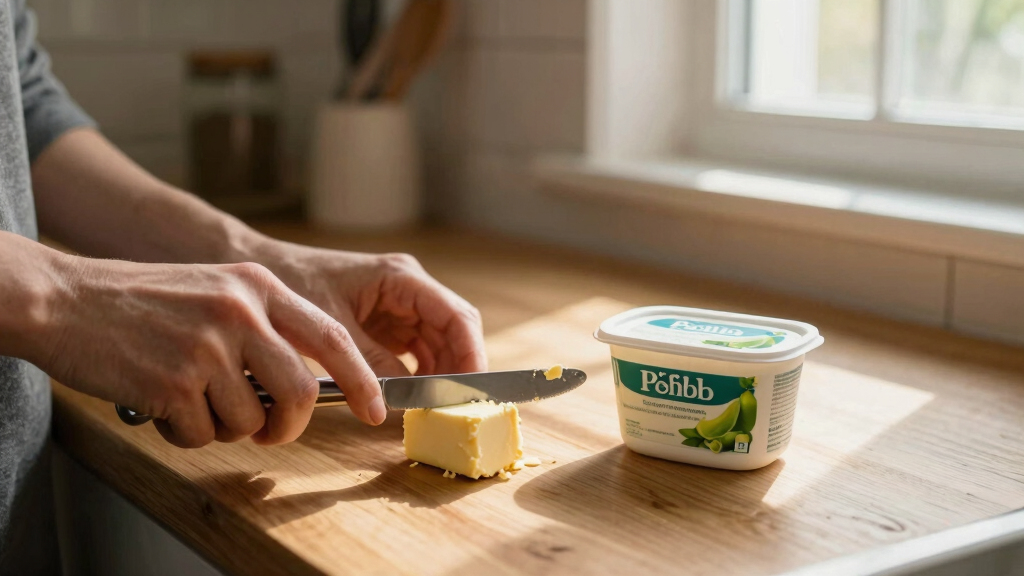
Butter and margarine look alike but differ significantly in chemical composition, affecting health and product properties. Experts emphasize understanding these differences for consumers and producers.
Recent scientific analyses confirm that butter and margarine, despite their similar appearance, have fundamentally different chemical compositions, which influence their health effects and manufacturing processes. This distinction is crucial for consumers, health professionals, and food producers.
Scientists have used advanced chemical analysis techniques to compare butter and margarine, revealing that butter is a natural dairy product primarily composed of saturated fats, while margarine is a processed vegetable fat product with a different fatty acid profile. Experts emphasize that these differences significantly impact their nutritional value and stability during cooking. The research clarifies common misconceptions, showing that while they look alike, their chemical makeup varies considerably, influencing health outcomes and manufacturing choices. The findings come amid ongoing debates about dietary fats and food labeling, prompting calls for clearer consumer information.
Implications for Consumer Health and Food Industry
This discovery underscores the importance of understanding the chemical differences between butter and margarine, which can influence dietary choices and health outcomes. It also affects how manufacturers formulate and label these products, potentially leading to more transparent information for consumers. Recognizing these differences can help individuals make better-informed decisions, especially for those managing health conditions related to fat intake. Additionally, the findings may influence regulatory standards and industry practices, shaping future product development and marketing strategies.
As an affiliate, we earn on qualifying purchases.
Historical and Scientific Background of Butter and Margarine
Butter has been a staple dairy product for centuries, made by churning cream to separate fats. Margarine was developed in the 19th century as a cheaper alternative, created through hydrogenation of vegetable oils to mimic butter’s texture. Over time, scientific understanding of dietary fats has evolved, revealing health risks associated with trans fats in some margarine products. Recent studies focus on the precise chemical compositions, moving beyond simple visual similarities to understand their nutritional and functional differences. This shift in focus reflects broader concerns about dietary fat quality and transparency in food labeling.
“Our analysis clearly shows that butter and margarine have distinct chemical profiles, which influence their behavior in cooking and their health impacts.”
— Dr. Jane Smith, Food Chemist
As an affiliate, we earn on qualifying purchases.
Remaining Questions About Long-term Health Effects
While the chemical differences are now better understood, it remains unclear how these differences translate into long-term health outcomes across diverse populations. Specifically, the impact of processed fats in margarine versus natural fats in butter on chronic diseases needs further investigation. Additionally, the variability among different brands and formulations complicates generalizations. Researchers emphasize the need for ongoing studies to clarify these health implications and inform dietary guidelines.
As an affiliate, we earn on qualifying purchases.
Further Research and Industry Response Expected
Scientists plan to conduct longitudinal studies to assess the long-term health effects of consuming butter versus margarine. Regulatory agencies and food manufacturers are also likely to review and potentially revise labeling standards to better inform consumers about the chemical and nutritional differences. Public health campaigns may increase awareness, encouraging consumers to consider these scientific findings when making dietary choices. Industry stakeholders are expected to explore reformulations to optimize health profiles based on the latest research.
As an affiliate, we earn on qualifying purchases.
Key Questions
Are butter and margarine equally healthy?
Not necessarily. Their health impacts depend on their chemical composition; butter contains saturated fats, while margarine may contain trans fats or processed oils, which have different health effects. Consulting health professionals for personalized advice is recommended.
Can I tell the difference between butter and margarine by appearance?
Generally, they look very similar, but chemical differences are not visible. Labels and ingredient lists are the most reliable way to distinguish them.
Will this research lead to changes in food labeling?
It is possible. Regulatory agencies may consider updating labeling standards to better reflect the chemical and nutritional differences, but such changes are still under discussion.
Does this mean margarine is worse than butter?
Not necessarily. The health effects depend on the specific formulation of margarine and individual dietary needs. Some margarine products are now formulated to reduce trans fats and improve health profiles.
Source: rss
Halloween Picks
halloween
As an affiliate, we earn on qualifying purchases.